

Diddy's Mom Strikes Back: Why Janice Combs is Personally Producing a Rebuttal to Netflix's 'The Reckoning'
A furious mother, a convicted mogul and a Netflix hit collide in a fierce fight over who owns the final cut of Sean 'Diddy' Combs' legacy.
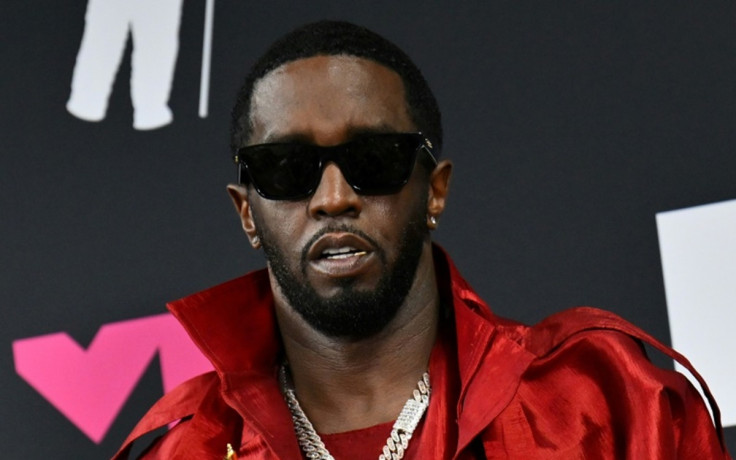
Janice Combs has never been a background figure in her son's story. Long before Netflix packaged Sean 'Diddy' Combs' rise and alleged abuses into Sean Combs: The Reckoning, she was the single mother who walked him through grief, hustled to keep the lights on and watched him morph into a global brand. Now, with her son serving a 50‑month federal sentence and his public image hanging by a thread, she appears determined to step out from the wings and seize the narrative herself.
The 84-year-old matriarch, by all accounts, is livid. Insiders say she regards the hit Netflix docuseries as little more than a glossy character assassination, a project that freezes her son in his worst alleged moments and then presses repeat.
One source put it bluntly: 'Janice is furious. She thinks the Netflix documentary is a character assassination. She wants the record corrected – loudly.' That fury is now being channelled into something unusually personal for a showbusiness mother used to operating just off-camera: a full-scale 'response documentary' of her own.
The Reckoning And The Fallout
Sean Combs: The Reckoning has quickly become one of Netflix's most watched and most discussed true‑crime style projects, a four‑part series that walks viewers through decades of allegations about Combs' behaviour behind the mogul sheen. Produced by Curtis '50 Cent' Jackson and directed by Alexandria Stapleton, it leans heavily on testimony from former insiders, ex‑employees and women who accuse him of coercive, violent and degrading conduct, including the infamous 'freak off' sex parties that have entered hip‑hop lore for all the wrong reasons.
Diddy’s mother Janice Combs is breaking her silence after the release of rapper 50 Cent’s new Netflix documentary “Sean Combs: The Reckoning.” pic.twitter.com/CV5gomcKww
— The Tropixs (@Tropixsofficial) December 7, 2025
The timing could scarcely be more brutal for Combs' camp. Last year, he was acquitted of sex‑trafficking and racketeering charges but convicted on two counts of transporting individuals across state lines for prostitution, earning him a 50‑month sentence in federal prison. Netflix's cameras, meanwhile, present a slick, tightly edited arc from hungry intern to empire‑builder to convicted felon, an arc that critics have praised as 'meticulous and sober' but which his family views as aggressively one‑sided. Public opinion, already rattled by years of civil suits and leaked videos, has unsurprisingly tilted further against him.
For Janice, though, the most painful blows appear to be the ones that land closest to home. In a statement issued to Deadline, she blasted the docuseries for what she called 'false narratives' about her son's upbringing and their family life, accusing the filmmakers of twisting personal history to 'mislead viewers and further harm our reputation.'
She has also specifically disputed claims in the series that Combs ever slapped her in the aftermath of the 1991 City College tragedy, calling those allegations 'inaccurate and patently false' and 'past offensive.' For a woman who built much of her identity around having survived hardship with her son, seeing that story recut by strangers seems to have been a breaking point.
A Mother's Counter‑Narrative And The Response
What Janice is now assembling is not some casual YouTube rebuttal filmed from a living‑room sofa. People familiar with the project describe a sprawling private archive—years of family footage, studio sessions, behind‑the‑scenes clips and glowing testimonials from friends, collaborators and employees—being pulled together into what one executive described as 'part biography, part rebuttal, part reputation rebuild.'
In other words, not just pushback but a full attempt to re‑edit the Sean Combs saga from the family's point of view.
Crucially, this isn't being delegated to distant producers. Sources say Janice is personally picking up the phone, calling potential contributors herself, and pressing them to appear on camera in defence of her son. 'She's calling people personally to participate. She's relentless,' one insider said, adding another telling line: 'Trust me – no one says no to Janice.'
That detail matters. It underscores that this is not just brand management; it's a mother marshalling every ounce of influence she has left.
The family's case rests on a simple contention: that Combs has denied all allegations of serious wrongdoing, that he was acquitted of the most explosive criminal charges, and that a Netflix hit does not equate to a fair trial. Whether that argument will resonate with an audience already steeped in the docuseries' imagery is another question entirely. Once a cultural figure has been framed as a villain in a slick streaming package, the emotional groundwork is hard to undo.
Yet there is something undeniably revealing about this counter‑move. In an era where public reputations are made and unmade on platforms outsiders control, Janice's instinct is to build a platform of her own, using the medium that wounded her son to try to heal him. It is both strategically logical and faintly tragic—a tacit admission that the court of public opinion now sits inside a content queue.
For now, it is not clear whether her response film will ever make it to a major distributor, or even into the wider public domain. Financing, legal clearance and the cold calculations of streamers wary of appearing to launder the reputation of a convicted man all stand in the way.
Insiders concede that the project may never see the light of day in the form Janice imagines. But they are equally adamant about one thing: she is determined that Netflix's version of events will not be the final word on her son's life.
Whether viewers will ultimately choose a mother's curated home movies over a meticulously produced true‑crime series is far from guaranteed. Still, in a story thick with power, control and contested truth, it feels fitting that the latest twist is not a lawyer's filing or a studio statement but a furious mother, reaching for the edit suite.
© Copyright IBTimes 2026. All rights reserved.