What Is the First Amendment? Sean 'Diddy' Combs Claims His 'Freak-Offs' Are Constitutionally Protected
Diddy's legal team challenges conviction using First Amendment defense
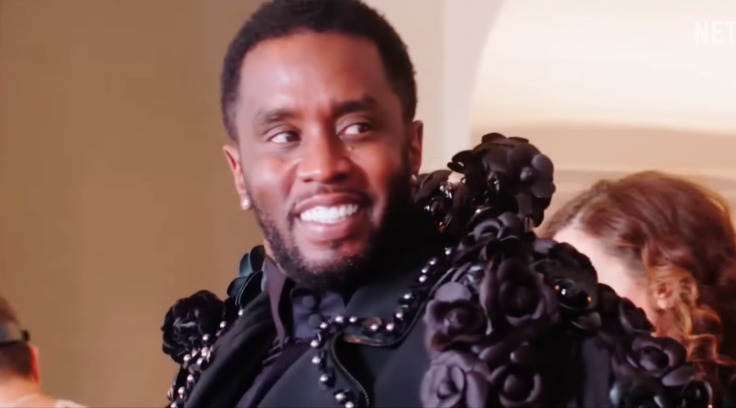
Sean 'Diddy' Combs is at the centre of a high-stakes legal battle that could see his conviction overturned, as his lawyers argue that the acts used against him in court are protected under the US Constitution.
According to a report by TMZ, his legal team told a federal appeals court that the so-called 'freak-offs' were not criminal acts, but instead a form of expression.
What Is The First Amendment?
The First Amendment to the United States Constitution protects freedom of speech and expression. This includes not only spoken or written words, but also certain types of media, including adult content, as long as it does not break other laws.
In simple terms, it means the government cannot punish people just for creating or consuming content, even if it is controversial.
Why Diddy's Lawyers Say It Applies
Combs was convicted under the Mann Act, which makes it illegal to transport individuals across state lines for prostitution or unlawful sexual activity.
However, his lawyers say that is not what happened in this case. They argue the encounters were organised, filmed and intended for private viewing. According to the defence, the use of costumes, role play and staged settings makes the events more like recorded performances than criminal conduct.
Because of this, they claim the situation should be treated as the creation of adult content. And since producing and watching such material can fall under free expression, they argue it is protected by the First Amendment.
Put simply, their argument is that if it is legal to film and view explicit content, then these events should not be considered a crime.
How The Mann Act Applies To The Case
Combs was originally convicted under the Mann Act, a century-old US law that makes it illegal to transport individuals across state lines for prostitution or unlawful sexual activity. According to reporting by CTV News, prosecutors argued that Combs arranged for people, including former partners and male sex workers, to travel across the country to take part in paid sexual encounters. While he was cleared of more serious charges such as sex trafficking and racketeering, the court found that these instances of interstate travel for sexual activity were enough to secure a conviction under the law.
The Mann Act, first introduced in 1910 and once known as the 'White-Slave Traffic Act', has a long and controversial history. It has been used in cases involving high-profile figures including R. Kelly and Ghislaine Maxwell, and was originally criticised for being so broadly worded that it was applied to consensual relationships. In Combs' case, his legal team is now challenging how that law was applied, arguing that the encounters were consensual and structured as performances rather than criminal acts.
Prosecutors Disagree
Federal prosecutors have rejected this argument, saying the case is about illegal conduct rather than protected expression. They maintain that the Mann Act applies regardless of how the events are described.
The court will now decide whether the First Amendment argument has merit.
© Copyright IBTimes 2026. All rights reserved.
- Recommended For You