Elon Musk Pushes Back: 'This Makes No Sense' After Fatal Tesla Crash in Texas
Tesla CEO disputes Full Self-Driving link to deadly Texas crash as probes and lawsuit advance

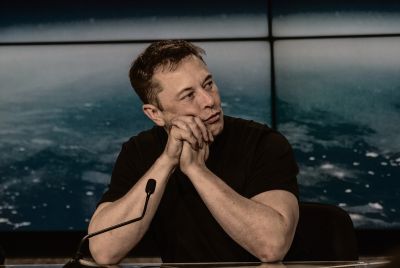
Elon Musk has pushed back against allegations that Tesla's Full Self-Driving software was involved in a fatal crash in Texas, saying the scenario 'makes no sense'. The Tesla chief executive highlighted that the company's system drives slowly in neighbourhood streets, yet the collision occurred at high speed. His comments came amid growing scrutiny of the incident and a lawsuit filed by the victim's family.
The crash occurred on 19 June in Katy, Texas, when a Tesla Model 3 driven by Michael Butler left the roadway and struck a brick home at high speed. Butler, 44, told investigators that an automated driving assistance system was engaged at the time. The vehicle hit 76-year-old Martha Avila inside the residence. She was airlifted to hospital but died from her injuries.
Details Of Fatal Tesla Crash In Katy
Local police reported that the car failed to drive in a single lane and did not turn as expected at an intersection before veering off the road. The impact was severe enough to enter the brick structure. Avila, remembered as a caring grandmother, was struck while inside.
Family members, including her daughter and grandchildren, were in the home at the time. Butler sustained injuries but showed no signs of intoxication and has been cooperating with police. No charges have been brought so far.
Her daughter described hearing a loud noise and finding her mother injured. The Harris County Sheriff's Office is continuing its investigation into the circumstances, including the driver's claim about the automated system.
Musk Rejects FSD Involvement In Texas Crash
Yes, this makes no sense. FSD drives slowly through neighborhood streets and this was a high speed crash!
— Elon Musk (@elonmusk) June 22, 2026
In a post on X, Musk wrote: 'Yes, this makes no sense. FSD drives slowly through neighborhood streets and this was a high speed crash!' The statement directly challenged media reports suggesting the technology might have caused or contributed to the accident. Tesla vice president of AI software Ashok Elluswamy elaborated using data from the vehicle.
He explained that the driver had manually overridden the self-driving system by pressing the accelerator pedal fully to the floor in the residential area. The car reached 73 mph during the crash, and the accelerator was still pressed after the impact occurred. These logs indicate active driver input rather than autonomous operation.
Investigation And Lawsuit Advance After Crash
The National Highway Traffic Safety Administration launched a special crash investigation into the incident on 22 June. The federal agency has previously examined numerous Tesla crashes involving advanced driver assistance systems and maintains ongoing reviews of Full Self-Driving technology.
Meanwhile, on 23 June, Jennifer and Justin Barbour filed a lawsuit in Harris County District Court on behalf of Martha Avila's estate. The action names Tesla and Michael Butler as defendants. It alleges negligence and design defects in Tesla's driver assistance systems, which the plaintiffs say were engaged and contributed to the crash. The suit claims the technology has a history of known dangers and was marketed without adequate warnings about its limitations. The family is seeking more than $1 million (£760,000) in damages and a jury trial.
Tesla has not issued a formal response to the lawsuit beyond the social media comments from its leaders. Data from the vehicle's systems will likely form a key part of the inquiries by both regulators and the courts. The case adds to the broader debate over the safety and regulation of automated driving technologies in the United States.
© Copyright IBTimes 2026. All rights reserved.
- Recommended For You