Tesla's '7 Times Safer' FSD Claim Under Fire After Sweden, Dutch Regulator Submission
Researchers question Tesla's safety data as the company seeks European approval for its Full Self-Driving system
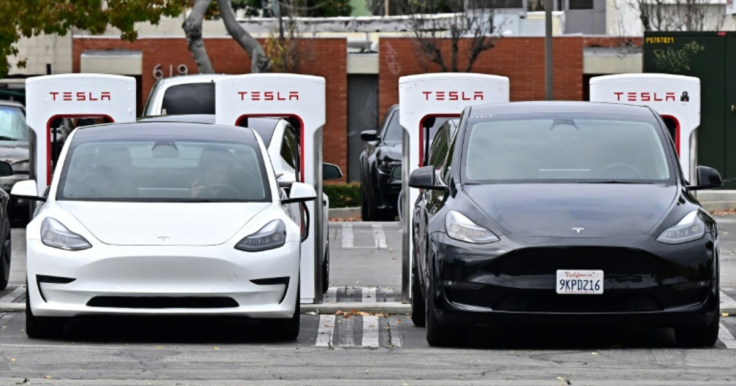
Tesla's safety claims for its Full Self-Driving (FSD) system are facing fresh questions in Europe after researchers challenged data the company presented to regulators in Sweden and the Netherlands.
According to documents obtained by Reuters, Tesla told regulators that vehicles using FSD could travel more than seven times farther between crashes than the average US driver. The submission also claimed use of the technology could prevent thousands of road deaths and injuries.
Researchers who reviewed the submissions said Tesla compared different types of crashes and different vehicle groups when calculating the figures, which they argued could make FSD appear safer than it would under a like-for-like comparison. The criticism comes as Tesla seeks approval to expand FSD beyond the Netherlands. FSD allows Tesla vehicles to perform certain driving tasks automatically, although drivers are still required to remain attentive and ready to take control when necessary.
Researchers Question Tesla's Data
Tesla's submission to Swedish regulators included a presentation that expanded on the company's safety claims, stating the technology could potentially prevent 32,000 deaths and 1.9 million injuries.
The calculations were based on assumptions that are unlikely to reflect how vehicles are actually used on public roads. They noted that the estimates assume large numbers of vehicles, including freight lorries and motorcycles, could be replaced by FSD-equipped Tesla cars.
Dudley Curtis, a spokesperson for the European Transport Safety Council, said the organisation was concerned about the use of what he described as unreliable safety data. He argued that claims about crash reduction and road safety should be independently verified by qualified researchers before being used to support regulatory decisions.
Swedish Transport Agency investigator Anders Eriksson said regulators assess the full body of evidence submitted when evaluating automated driving systems and do not rely solely on headline safety figures.
How The Figures Were Calculated
The disputed comparison was based partly on crash data involving FSD-equipped vehicles where airbags were deployed. Researchers said that approach compares serious crashes involving Tesla vehicles with broader national crash statistics that include both major and minor incidents.
They also pointed to differences between Tesla's vehicle fleet and the average vehicle on American roads. Because Tesla vehicles are generally newer and include modern safety features, direct comparisons with older vehicles may overstate the role FSD plays in reducing crashes.
European Approval Process Continues
Despite the criticism, Tesla has already secured approval for FSD in the Netherlands following more than a year of testing and discussions with Dutch road regulator RDW.
RDW said its assessment process does not rely on marketing claims or external statistics. Instead, the regulator said it conducts its own testing, analysis and verification procedures on public roads and test tracks before making decisions.
Tesla is seeking approval for FSD across the European Union, where member states are expected to vote on the technology in the coming months. Until then, individual countries can choose whether to authorise the system independently.
The vote could determine whether FSD becomes available across much of the European Union. However, regulators reviewing the technology have indicated that approval decisions will depend on testing data and safety evidence beyond Tesla's own statistics.
© Copyright IBTimes 2026. All rights reserved.
- Recommended For You