EU Kids Act Would Require Social Media Firms To Pay a Fee To Fund Enforcement Costs
The proposed KIDS Act would also restrict social media access for under-13s and require stronger safeguards, but it must still pass through EU negotiations
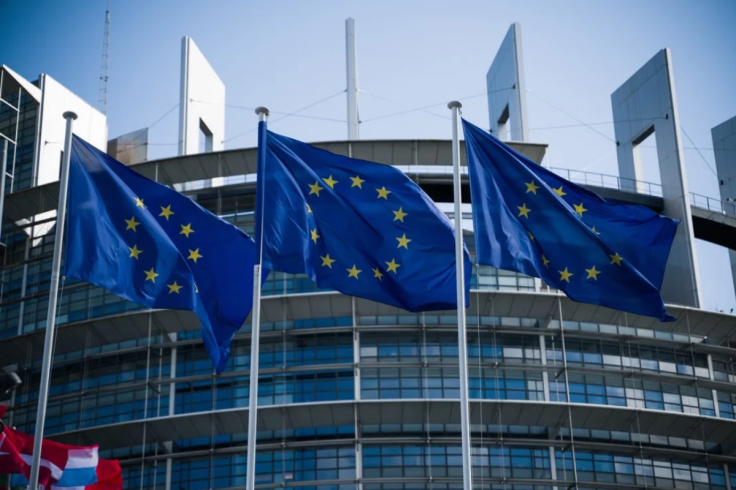
Brussels wants some of the platforms targeted by its proposed child safety rules to help pay for supervising them. Under proposals unveiled on Thursday, certain online platforms operating across the EU would be charged a supervisory fee to help fund the European Commission's oversight of the proposed EU Kids Act.
The fee sits alongside the proposal's headline measures, including restrictions on social media access for children under 13 and a requirement for parental controls on accounts used by 13- and 14-year-olds.
Commission President Ursula von der Leyen and Executive Vice-President Henna Virkkunen formally presented the plan a day after von der Leyen told the European Parliament that the question was not whether children should have access to social media, but whether social media platforms should have access to children.
How the Fee Would Work
According to a draft document reported ahead of Thursday's launch, the proposal would require specified providers under the Commission's supervision to pay an annual fee to help cover the costs of enforcement and oversight.
The approach builds on the EU's existing system of supervisory fees under the Digital Services Act, with the proposed KIDS Act providing for an additional fee to support its supervision.
The fee is separate from infringement penalties. Under the proposal, platforms would also have to verify users' ages, keep children's accounts private by default, restrict potentially harmful or addictive design features, and prevent unsolicited contact between children and unknown adults.
A Funding Model Already in Court
Charging certain technology firms to fund their EU supervision is not a new approach. In September 2025, Meta and TikTok won challenges before the EU's General Court against Commission decisions setting their 2023 Digital Services Act supervisory fees.
The court annulled the decisions because the methodology used to calculate the number of average monthly users should have been adopted through a delegated act, while temporarily maintaining the effects of the decisions.
The Commission subsequently appealed both judgments. The appeals, concerning Meta and TikTok, were brought before the Court of Justice of the European Union and remained pending at the time of publication.
That precedent is relevant to the KIDS Act because the Commission is again proposing a fee to fund regulatory supervision, although it does not establish that the same legal challenge would apply to the new proposal.
Today we proposed the EU KIDS Act.
— European Commission (@EU_Commission) September 17, 2026
No social media under the age of 13. No personal accounts under the age of 15. That’s our recommendation.
As European Commission President, @vonderleyen said: “The question is not whether kids should have access to social media. The question… pic.twitter.com/ZNPbSSXl0c
Who the Rules Would Actually Cover
The KIDS Act is built as a tiered system rather than a blanket cut-off. Children under 13 would be prevented from accessing social media, while those aged 13 and 14 could use restricted, parent-supervised accounts with limited features and time controls.
From 15, users would be able to open independent accounts under the proposal, while platforms would still have to comply with child-safety requirements.
The rules would extend beyond conventional social media to cover video-sharing platforms, online games and certain AI services, including AI companions and chatbots. The proposal would also introduce requirements covering addictive design features, personalised recommendations, unsolicited contact and other risks.
An EU age-verification system is also being developed to help services establish whether users meet the relevant age requirements.
Legal Hurdles Still Ahead
The proposal is not yet law. It must be negotiated by the European Parliament and the Council of the European Union, representing all 27 member states, before it can take effect. The legislative process could also change parts of the Commission's proposal before a final text is agreed.
The proposal also comes after France's law banning social media access for under-15s was struck down by the country's Constitutional Council in August.
The council found that the restriction disproportionately infringed freedom of expression and communication and raised concerns over safeguards relating to age verification and privacy.
The French ruling does not determine whether the EU proposal is lawful, as the two measures operate under different legal frameworks.
But it highlights some of the issues likely to receive scrutiny as the EU considers how age restrictions, privacy, freedom of expression and enforcement should work together.
For the millions of minors living across the bloc, questions over how the age restrictions and safety requirements would be supervised and enforced will remain if the KIDS Act becomes law.
© Copyright IBTimes 2026. All rights reserved.
- Recommended For You