

Florida Learjet Crash Puts Thunderstorms, Icing and Turbulence Under Fresh Investigative Scrutiny
Investigators have not determined whether thunderstorms, icing or turbulence caused the aircraft to lose altitude near Greenacres
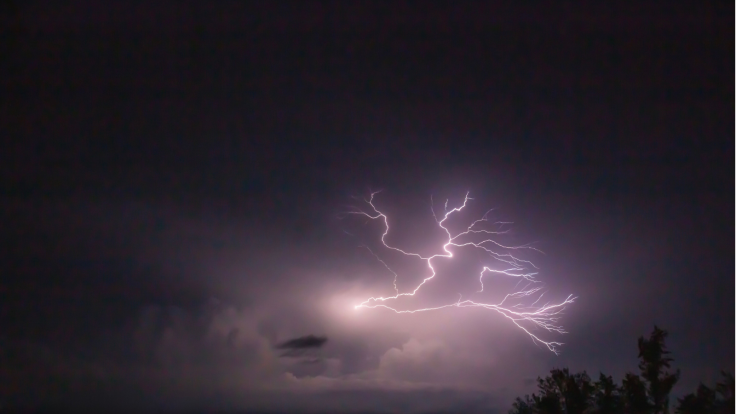
Thunderstorms, icing and turbulence have come under intense scrutiny after a Learjet 60 crashed near Greenacres in Palm Beach County, killing nine people on Sunday, 1 November 2026. Federal investigators have not yet determined whether the weather played a role in the aircraft's sudden and catastrophic descent.
For context, the Learjet 60 was travelling from Austin-Bergstrom International Airport in Texas to North Eleuthera Airport in the Bahamas. It crashed near a residential community at approximately 12.50pm local time.
The Federal Aviation Administration confirmed the flight's route and said the National Transportation Safety Board would lead the investigation.
The aircraft came down beside a road, leaving wreckage and a large impact crater. Residents nearby were evacuated as emergency workers secured the area, while the identities of those killed had not been publicly confirmed.
Florida Learjet Crash Crew Reported Icing Before Mayday
The most troubling early evidence comes from the aircraft's final exchanges with air traffic controllers. Before the emergency, the crew reported encountering precipitation, icing and moderate turbulence while flying at high altitude.
'We have light, clear ice that is manageable and moderate turbulence,' a pilot said, according to air traffic control recordings reviewed by aviation trackers. The crew also asked controllers whether smoother conditions were available.
That description matters because the pilot initially characterised the ice as manageable. It does not establish how much ice accumulated afterwards or whether the aircraft's handling was affected.
These massive storms all over Florida and the Caribbean are why this jet crashed. In the audio of the communications with the tower, they're talking about icing and weather related events.
— Steven E. Greer, MD (@THEHCC) November 1, 2026
Google AI:
The private Learjet 60 (registration N722BD) was flying from Austin, Texas, to… pic.twitter.com/YMvg4XSDai
The crew subsequently requested permission to climb to 37,000 feet after reporting precipitation. According to Flightradar24's examination of the recordings, the aircraft entered a rapid descent shortly after receiving climbing instructions.
A mayday call followed. The pilot reported an overspeed condition and a descent rate of 20,000 feet per minute before warning that the aircraft would hit the ground.
Flightradar24's tracking data showed an even higher reported vertical rate, exceeding 32,000 feet per minute. Its final received altitude was 8,750 feet. Those figures describe tracking observations, not an official reconstruction of the crash.
Thunderstorms, Icing and Turbulence Probed in Crash
Storms were moving across South Florida on Sunday, with the National Weather Service warning that bands of heavy rainfall could affect Palm Beach County. Its flood watch covered an area that included Greenacres.
Weather specialists have pointed to developing thunderstorm cells as a potential hazard for aircraft travelling through the region. Powerful storms can produce sharp changes in air movement, heavy precipitation and conditions in which icing becomes a concern.
But there is a crucial distinction between encountering bad weather and proving it caused a fatal accident. The crew's reports establish what the pilots experienced. They do not explain why the jet abruptly lost altitude.
The aircraft's reported outside temperature was around minus 47 degrees Celsius, according to accounts of the controller recordings. Precisely what was happening inside the surrounding cloud remains an open question.
Could a combination of turbulence and ice have contributed to a loss of control? That is a question for investigators, not a finding supported by the available evidence.
The National Transportation Safety Board must establish the sequence of events before assigning a probable cause. Flight-tracking records and cockpit communications provide leads, but neither can establish the complete mechanical or aerodynamic picture alone.
Palm Beach Residents Evacuated After Jet Hits Ground
The consequences were immediate for people living around the crash site. Local officials arranged evacuations affecting approximately 600 residents of a neighbouring mobile home community as investigators and emergency services worked nearby.
Florida Governor Ron DeSantis described the aircraft's descent as resembling a missile during remarks at the scene. His account reflected the apparent speed of the impact, not a technical explanation of what caused it.
Thousands of people watched the video of the Florida jet crash and asked the same thing: where’s the plane?
— Tony Lane 🇺🇸 (@TonyLaneNV) November 1, 2026
Here’s why you can’t see it:
• It fell almost straight down. Unofficial flight tracking shows the Learjet dropped from over 35,000 feet nearly vertical, possibly at… https://t.co/n6acc0luOz pic.twitter.com/VYJtERnMTs
Authorities initially reported no injuries among people on the ground. The Palm Beach County Sheriff's Office closed a section of Military Trail, restricting access while emergency crews dealt with debris.
The crash also placed the aircraft's occupants at the centre of a difficult identification process. Officials had not publicly released their names in the initial reporting, nor confirmed the precise division between passengers and crew.
The federal investigation remains in its early stages. The FAA is assisting the NTSB, which will be responsible for publishing findings and further updates.
Investigators will need to reconcile the cockpit's early description of manageable icing with the emergency that followed minutes later. The speed of that change remains one of the outstanding questions surrounding the flight.
© Copyright IBTimes 2026. All rights reserved.