Fuel Crisis Hits Global Air Travel as Multiple Airlines Cancel Flights Over Iran War
The ongoing Iran conflict has caused a fuel crisis affecting global air travel
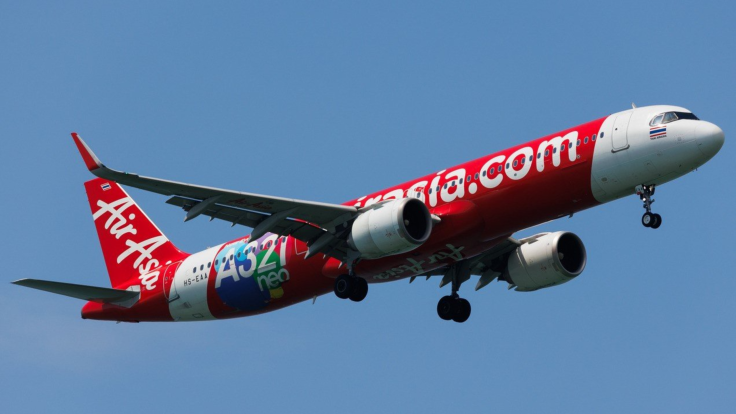
An intensifying global crisis in fuel triggered by the ongoing conflict between Iran, Israel, and the United States has begun to severely disrupt international air travel, forcing airlines across the globe to cancel flights, cut routes, and raise fares.
The crisis stems from steep disruptions to oil supply chains in the Middle East, particularly through the strait of Hormuz, a vital corridor for worldwide energy supplies, sending jet fuel prices soaring and squeezing airline operations, per Gulf News.
Oxford Economics Head of Energy Forecasting Bridget Payne told Gulf News roughly 10 million barrels per day of oil supply have been taken out of global markets, resulting in a supply gap that is becoming more challenging to cover.
Payne noted that the aviation sector is particularly exposed to rising fuel costs compared with other industries, as air travel is dependent on consumer choice, and price increases are rapidly transferred to consumers through higher fares.
'Air travel is more discretionary than road freight or household energy use, and fuel surcharges pass through to ticket prices quickly. That makes aviation one of the first areas where demand is cut through price, particularly for leisure travel,' she wrote in a research briefing, warning that the Iran conflict, if it continues, could result in major fuel deficits.
Global Jet Fuel Shortages Intensify: 'Brace Yourselves'
By late March, the cost of aviation fuel soared to $195 (£147) per barrel, almost doubling from when the war began in late February. Countries without domestic oil production or with constrained reserves are facing increasing difficulties in securing jet fuel, per Business Insider.
Fatih Biro, International Energy Agency Executive Director, noted in a podcast discussion that oil losses in April are expected to be twice as severe as in March, pushing both jet fuel and diesel into an even tighter supply situation. He stated, 'We are seeing that in Asia, but soon, I think, in April or May, it would come to Europe.'
Senior oil market analyst June Goh shared on social media that because aviation fuel needs dedicated storage facilities, quantities on hand are typically lower compared with other fuels such as petrol.
'Travel has gotten a lot more expensive in Asia, with many airlines adding fuel surcharges or downright canceling flights. Europe is facing imminent jet fuel supply shortages. Brace yourselves,' Goh wrote in a post on X (formerly Twitter).
APAC Airlines Struggle with Tight Jet Fuel Supplies
Beyond cancellations, the crisis is also forcing operational changes. Some airlines are carrying extra fuel on board or scheduling extra fuel stops due to supply constraints at certain airports, while others are reconsidering expansion plans or delaying new routes, according to a Reuters report.
The report also states that carriers across the Asia-Pacific region have begun scaling back operations and adjusting flight plans as fuel supplies tighten due to disruptions caused by the Iran conflict. Airlines in countries that depend heavily on imported jet fuel, including Vietnam, Myanmar and Pakistan, have been forced to cut flights, increase tankering (carrying extra fuel from home bases), and add refuelling stops.
At the same time, major producers China, South Korea, and Thailand have curbed jet fuel exports, further straining regional availability. The strain has hit lower-income markets hardest, with some domestic routes cut entirely to conserve limited stocks.
Airlines have adopted costly tactics like transporting surplus fuel on outbound legs from well-supplied airports, while pilots are advised to maximise fuel loads when abroad to avoid shortages at destination airports.
© Copyright IBTimes 2026. All rights reserved.
- Recommended For You