Trump Deadline On Iran War Pushes Ceasefire Talks As Civilian Risks Rise
Legal experts raise alarm over possible infrastructure strikes as ceasefire negotiations accelerate amid rising civilian risk concerns in the Iran conflict.

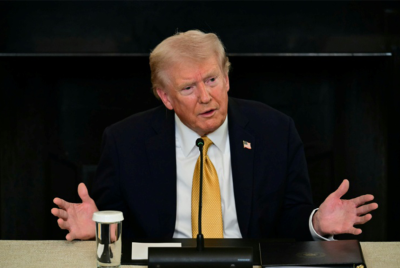
Iran War tensions are once again drawing global attention as diplomatic efforts, military posturing, and legal concerns converge in a rapidly evolving situation. The introduction of a deadline linked to Donald Trump has intensified pressure on negotiations, while raising difficult questions about the potential human cost of continued escalation.
At the same time, discussions around possible strikes on critical infrastructure have sparked warnings from legal experts, who argue that certain actions could cross the line into violations of international law. The debate is no longer just about strategy, but about accountability, proportionality, and the real-world consequences for civilians.
🚨🇮🇷 BREAKING: President Trump warns “a whole civilisation will die tonight” if Iran fails to reach a deal before the 8pm deadline pic.twitter.com/Agq52n6dDS
— Politics Global (@PolitlcsGlobal) April 7, 2026
Escalation Around the Trump Deadline
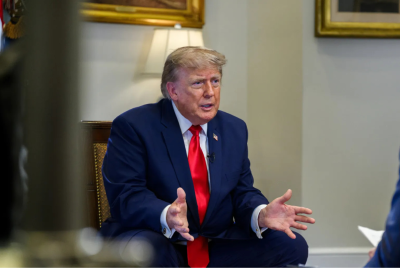
The Trump deadline has become a focal point in the broader Iran conflict, shaping both rhetoric and response from all sides. According to live updates reported by CBS News, the deadline is tied to efforts aimed at reducing hostilities and reopening key routes that have been affected by the ongoing tensions.
This development has added urgency to ceasefire talks, which were already under strain due to mutual distrust and competing demands.
While negotiations are continuing, the presence of a clear deadline has introduced a sense of immediacy that is difficult to ignore. For diplomats, it means working within a narrower window, where delays could have wider consequences.
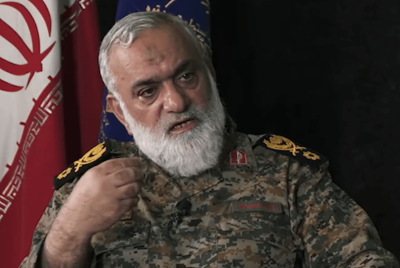
BREAKING: Iran is urging youths, including athletes and students, to form “human chains” around power plants at 2 PM ahead of Trump’s 8 PM deadline to strike Iran’s power plants and bridges pic.twitter.com/lGXss1l7CH
— Republicans against Trump (@RpsAgainstTrump) April 7, 2026
Infrastructure as a Point of Contention
One of the most sensitive aspects of the current discussion revolves around reports and proposals involving potential strikes on infrastructure, including power plant attacks and bridge infrastructure strikes. These facilities are not just strategic assets; they are also deeply connected to civilian life, supporting electricity supply, transportation, and essential services.
Legal experts have raised concerns that targeting such infrastructure could violate principles of international humanitarian law, particularly if the damage disproportionately affects civilian populations. The idea is not only about whether a target has military value, but whether the harm caused extends far beyond that objective.
In conflicts like this, the distinction between military and civilian targets becomes critical. When infrastructure that supports daily life is disrupted, the impact can ripple quickly through communities, affecting hospitals, homes, and emergency response systems.
🚨BREAKING: US bombs dozens of Iranian military targets on Kharg Island overnight, including bunkers, radar station, ammunition storage, senior US official tells @JenGriffinFNC https://t.co/g6gXkdR8sQ pic.twitter.com/57HsGlPOgx
— Fox News (@FoxNews) April 7, 2026
Legal and Ethical Questions Take Centre Stage
With a population of over 90 million people, Iran stands on the brink of a crisis that could affect millions of civilians overnight, and if threats to strike critical infrastructure such as power plants and bridges were carried out, legal experts warn it could cross into the territory of a war crime, raising not only geopolitical stakes but also profound moral and humanitarian consequences that the world would struggle to ignore.
This is where the controversy becomes more than theoretical. The possibility that certain strikes could be interpreted as unlawful introduces a layer of accountability that extends beyond the battlefield, involving international institutions, legal bodies, and global opinion.
Iran presses on with attacks across the Persian Gulf hours before Donald Trump’s deadline to agree to a ceasefire plan https://t.co/SdPdLhoSc4
— Bloomberg (@business) April 7, 2026
Civilian Risks and Human Impact
Amid these discussions, civilian risks remain a central concern. Disruptions to power supply and transportation networks can quickly translate into shortages of basic necessities, limited access to healthcare, and challenges in maintaining communication systems.
Reports associated with the ongoing coverage indicate that emergency and military responses are already being considered or deployed in certain areas, suggesting that contingency planning is underway. These measures reflect an awareness of the potential for rapid deterioration in conditions if infrastructure is damaged.
For ordinary people, the implications are immediate and practical. A loss of electricity can affect the refrigeration of medicines, hospital operations, and water systems. Damage to bridges can limit evacuation routes and slow down aid delivery. These are not abstract outcomes; they are daily realities that shape survival and stability.
Explosions reported on Iran's key oil export hub.
— The Jerusalem Post (@Jerusalem_Post) April 7, 2026
Iranian media is reporting explosions on Kharg Island, the Persian Gulf terminal that handles roughly 90% of Iran's crude exports. The reports come as Trump's deadline for Iran to reopen the Strait of Hormuz expires today. pic.twitter.com/1DVunZE5w4
Ceasefire Talks Under Increasing Pressure
Despite the tensions, ceasefire talks remain active. Efforts are ongoing to find a diplomatic path that can prevent further escalation, though progress is complicated by differing priorities and deep-rooted mistrust between the parties involved.
The Trump deadline appears to be influencing the pace and tone of these negotiations. On one hand, it pushes participants to act more decisively. On the other hand, it introduces pressure that can make compromise more difficult to achieve.
International observers continue to monitor the situation closely, aware that any misstep could trigger consequences far beyond the immediate battlefield. With regional stability already under strain and global energy markets watching every development, the stakes have rarely been higher.
Decisions made in the coming days may not only determine the trajectory of the Iran conflict but could also reshape alliances, redraw strategic boundaries, and set the tone for international relations for years to come.
© Copyright IBTimes 2026. All rights reserved.
- Recommended For You