Trump Threatens Iran Power Grid Strikes as Tuesday Deadline Nears, Says Each Plant Will Be 'Burning' and 'Exploding'
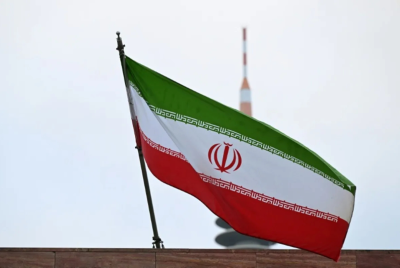
Iran rejects the US ceasefire, demanding a permanent end to the conflict and regional guarantees, dismissing US ultimatums

US President Donald Trump has issued a forceful ultimatum to Iran, warning that every major power plant in the country could be left 'burning' and 'exploding' within hours if Tehran does not meet a Tuesday evening deadline to reopen the Strait of Hormuz and agree to broader terms of a deal.
The president said the strikes could begin as early as Tuesday night, a pivotal moment in the escalating conflict that has disrupted diplomacy and heightened global security fears.
In a White House news conference, Trump outlined the stark terms, saying the United States has a plan whereby 'every bridge in Iran will be decimated and every power plant will be out of business by 12 o'clock' if Iran fails to comply with US demands by the self‑imposed 8 p.m. Eastern Time deadline.
Details on Threat to Iranian Infrastructure
The president said the operation to disable Iran's civilian infrastructure could unfold over a four‑hour period if chosen, emphasising that Washington did not want to pursue such an outcome but was prepared to act. Trump also dismissed criticism that targeting civilian energy grids might constitute war crimes, asserting that possessing nuclear weapons poses a greater violation.
BREAKING: Trump says US will bomb every bridge and power plant in Iran by 12 AM tomorrow if there's no deal pic.twitter.com/7wy9pKwZP0
— Rapid Report (@RapidReport2025) April 6, 2026
Tensions have persisted even as back‑channel mediation continues. Indirect negotiations have taken place through mediators including Pakistan, with US officials seeking an agreement that would see Iran renounce nuclear aspirations and reopen the strategically important Strait of Hormuz to shipping.
Iran's Rejection and Diplomatic Breakdown
Iran has formally rejected a US‑backed 45‑day ceasefire proposal, instead demanding a permanent end to the conflict and broader regional guarantees. Tehran's response also calls for sanctions relief, reconstruction commitments and new security arrangements for passage through the Strait of Hormuz.
Iranian officials have publicly dismissed the US ultimatum. A security source described Trump's escalating rhetoric as evidence that he had 'lost control' of the conflict, and reaffirmed that Iran would not end the war on the United States' terms.
Military Actions and Strategic Context
The threats come amid ongoing military actions in the region. The United States and its allies, including Israel, have conducted a series of strikes against Iranian military infrastructure. In response, Iran has carried out missile and drone attacks into neighbouring countries.
The White House has highlighted a recent rescue operation to recover a downed US airman from Iranian territory as part of the broader conflict narrative, underscoring the high stakes involved in the confrontation.
International and Economic Impact
Global markets have reacted to the threat of further escalation. Oil prices climbed above $110 a barrel on concerns that continued hostilities and a blockade of the Strait of Hormuz, a critical artery for global energy shipments, could further tighten supplies and disrupt markets.
International responses have varied, with some world leaders urging restraint and warning against attacks that could affect civilian infrastructure. For instance, the Kremlin said the conflict was spreading instability across the Middle East. Meanwhile, the United Nations called for de-escalation and protection of civilians.
Additionally, the European Union urged diplomatic efforts to prevent further escalation. At the same time, Saudi Arabia expressed concern over threats to energy security. Finally, China called for dialogue and a diplomatic resolution.
Energy strategists note that air strikes on power plants could disrupt civilian life in Iran, although experts say that Iran's decentralised energy grid might limit the effectiveness of such actions in crippling military capabilities.
Strait of Hormuz at the Heart of Diplomacy
At the core of the impasse is control of the Strait of Hormuz, through which about one‑fifth of the world's oil supply normally flows. Iran's continued blockade has not only driven up oil prices but also underscored the strategic importance of the waterway in any diplomatic resolution.
With just hours left before the deadline, Tehran has shown no sign of complying with the US ultimatum, setting the stage for potential military escalation and deepening geopolitical uncertainty.
© Copyright IBTimes 2026. All rights reserved.
- Recommended For You