Deadline Day: Iran Rejects Trump's Ceasefire as Global Oil Supply Hangs in Balance
Iran rejects American ceasefire demands, sparking global oil supply fears.

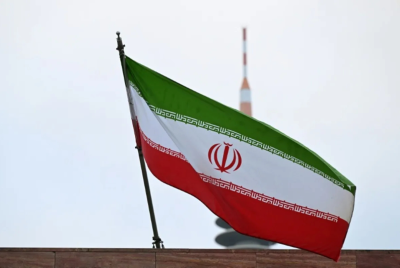
The world faces a massive global energy crisis now that Iranian officials have officially rejected a US ceasefire proposal. Negotiators tried putting together a temporary truce to finally get cargo ships moving safely through the Middle East again.
Since diplomatic talks have completely stalled out, the rest of the world is bracing for some heavy economic and military fallout. Both Washington and Tehran are digging their heels in, which only ramps up a conflict that doesn't seem to be ending anytime soon.
How a 'Flailing' US Strategy Led to Iran's Refusal to Reopen the Strait
The Wall Street Journal reported that the United States basically offered to pause the fighting. This proposal strictly required Iran to reopen the Strait of Hormuz temporarily.
Iranian leaders dismissed the American offer, maintaining a defiant stance against pressure. When the conditional compromise was put on the table, Tehran flat-out refused and made it clear they just weren't going to do it.
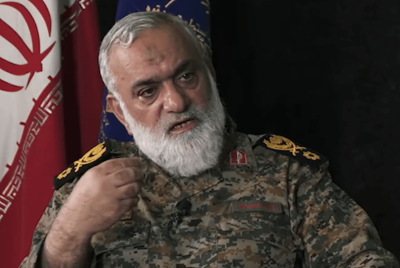
The rejection underscores a rapidly deepening divide between the adversarial nations. Iranian officials feel the American president is 'flailing in a lot of ways publicly,' remaining unmoved by aggressive rhetoric.
Why the Strait of Hormuz Closure Threatens Global Markets
The Strait of Hormuz serves as a vital artery for international trade and global energy security. This narrow passage handles roughly one-fifth of worldwide petroleum consumption and seaborne oil trade.
Blocking this critical waterway disrupts the international distribution of crude oil and liquefied natural gas. Analysts warn that any prolonged closure will inevitably trigger a worldwide energy crisis.
Crude oil benchmarks could surpass £79 ($100) per barrel if maritime blockades continue to restrict supply chains. Consumers across Europe and North America are experiencing the financial strain of these geopolitical tensions.
You can expect gas prices to shoot up pretty soon as refineries around the world scramble to secure reliable shipments. Because global energy markets are so closely tied together, even countries that don't buy Iranian oil are going to feel the economic pinch.
Iran has rejected a proposal to open the Strait of Hormuz in exchange for a temporary cease-fire, officials familiar with the matter said. -WSJ
— Faytuks News (@Faytuks) April 5, 2026
Efforts to bring Iran to the negotiation table have so far yielded no results, the officials add pic.twitter.com/tuQKXR73Zi

How Tuesday's Ultimatum Escalates the Military Threat
President Donald Trump has dramatically intensified his public warnings against the Iranian government. He initially suggested that military strikes could target Iranian infrastructure within days or weeks.
The American president has now established a strict, unyielding deadline of Tuesday night for Tehran to comply with his demands. He threatened to authorise widespread, devastating bombardments if the strategic strait remains closed to international shipping.
Trump stated that all strategic targets remain on the table for potential military destruction. Planned military action would reportedly focus on obliterating essential power plants and critical infrastructure across Iran.
Despite these severe ultimatums, Iranian negotiators completely refuse to compromise on their foundational national demands. The nation's leadership has vehemently rejected the concept of trading a temporary waterway reopening for a brief cessation of American strikes.
What This Standoff Means for Future Diplomatic Negotiations
The failure of this latest ceasefire attempt highlights the limited effectiveness of current diplomatic channels. It looks like threats from the American president about destroying infrastructure just aren't shaking Iranian decision-makers right now.
Political experts point out that the Tuesday night deadline could easily get pushed back, which is exactly what we have seen with past military delays.
However, the continuous, unpredictable cycle of ultimatums and rejections creates a highly unstable environment for the entire region.
Both nations appear prepared to endure an extended period of hostility rather than offer meaningful concessions. The future of global energy stability rests entirely on whether either side alters their current trajectory.
© Copyright IBTimes 2026. All rights reserved.
- Recommended For You