Donald Trump's Iran Address: White House Confirms Major Security Update Following Toll Threats
Tehran's moves threaten global oil supplies as Donald Trump plans an Iran update.

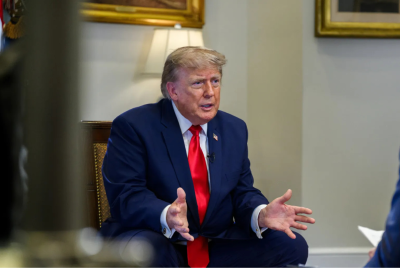
President Donald Trump will deliver a national address tonight at 9 p.m. ET, providing what the White House calls an 'important' update on the escalating conflict with Iran. The speech comes days after Tehran's parliament approved tolls and a ban on US and Israeli ships in the Strait of Hormuz. White House press secretary Karoline Leavitt announced the address on X late Tuesday, urging viewers to tune in as global tensions rise over the vital waterway.
The US has been locked in conflict with Iran since early 2026, following precision strikes on nuclear sites like Fordow and Natanz under Operation Midnight Hammer, which Trump hailed as obliterating Tehran's atomic ambitions. Iran's retaliatory moves have intensified, with lawmakers now pushing to monetise and militarise the strait, a 33km-wide passage handling 21% of the world's oil.
Leavitt's post comes amid Trump's recent claim that US forces could pull out in 'two to three weeks,' even without a deal, though he warned of hitting infrastructure if talks fail.
The Strait's Shadow Over Oil Markets
That narrow neck of water between Iran and Oman is one of the world's most critical oil transit chokepoints, carrying about one‑fifth of global crude and liquefied natural gas exports through the Strait of Hormuz. Any disruption can swiftly push up energy prices and ripple through markets as tankers are diverted, face delays or are required to pay tolls for passage.
Iranian state media reported that a parliamentary security commission has approved a plan to impose tolls on vessels passing through the Strait of Hormuz with enhanced naval patrols and safety rules, and to bar American and Israeli ships from transit, asserting Iran's sovereignty and potentially generating revenue amid sanctions. Analysts describe the move as a clear provocation that risks further escalating regional tensions and disrupting global shipping and energy markets.
Issuing a stern warning to Tehran, White House press secretary Karoline Leavitt said US President Donald Trump vowed to 'hit harder' and 'unleash hell' if Iran does not accept defeat https://t.co/tb2kDqacDa pic.twitter.com/xhSpe5bnnA
— Reuters (@Reuters) March 25, 2026
Trump is no stranger to Strait of Hormuz brinkmanship. During his first term, he choked Iran's oil exports, and now, with strikes having damaged parts of the Iranian navy, this toll move appears a desperate show of force. Shipping firms are jittery as Qatar's LNG and Saudi crude all pass through the strait, and selective bans violate UN maritime law.
Oman, on the opposite bank, could be drawn into joint enforcement under the plan, turning the chokepoint into a potential flashpoint. Energy traders are considering reroutes via the UAE, but the costs would hit UK fuel prices sharply.
What the Address Might Signal
Leavitt kept it vague, about whether Trump will tout progress, threaten further strikes, or shift to diplomacy, which his team has described as the 'first option' in recent briefings. He has rejected Iran's mediation overtures while demanding 'unconditional surrender' and signalling support for regime change from within Tehran.
Leavitt: The president's preference is always peace. But if Iran fails to understand that they have been defeated militarily, President Trump will ensure they are hit harder than they have ever been hit before. He does not bluff and is prepared to unleash hell. pic.twitter.com/Zj7QFKSMhg
— Acyn (@Acyn) March 25, 2026
Four US troops have already died in the conflict, and Trump has vowed 'fierce determination' in their name as part of the campaign against Iran. Tehran has not engaged in direct talks, while protests have erupted at home that Trump has framed as their 'moment of freedom.'
The timing of tonight's address appears linked to Tehran's recent vote on tolls and restrictions in the Strait of Hormuz. Questions remain over whether Trump will order more forces, including to support the Fifth Fleet already operating in the region, or unveil a diplomatic path forward. Global markets are watching closely with Brent crude moving higher.
Trump to address the world and give 'important' Iran war update in just hourshttps://t.co/DN2Np6ynt2 pic.twitter.com/KSpC2O7JLv
— Daily Star (@dailystar) April 1, 2026
Britain has a stake in the crisis, and North Sea output cannot fully offset any disruption in the Strait of Hormuz. Starmer is monitoring potential NATO strains as Trump considers his next moves. One lawmaker's Telegram post described the plan as 'managing' the strait, while others call it economic warfare. Either way, Trump's words could sway tanker traffic or inflame tensions further.
The plan's finer points cover safety protocols and environmental safeguards, almost mundane compared with the ban clause. Enforcement would likely involve Iran's forces, possibly in coordination with Oman, facing US carriers tasked with maintaining 'freedom of navigation.' From Mar-a-Lago to the global stage, Trump thrives on such high‑stakes moments. Leavitt's 'tune in' tweet lit up X as the world holds its breath.
© Copyright IBTimes 2026. All rights reserved.
- Recommended For You