

UK Bans Children Under 12 From Being Alone With 'Dangerous' Dogs Like XL Bullies After Rise in Attacks
New UK legislation aims to enhance child safety by restricting unsupervised access to dangerous dogs.
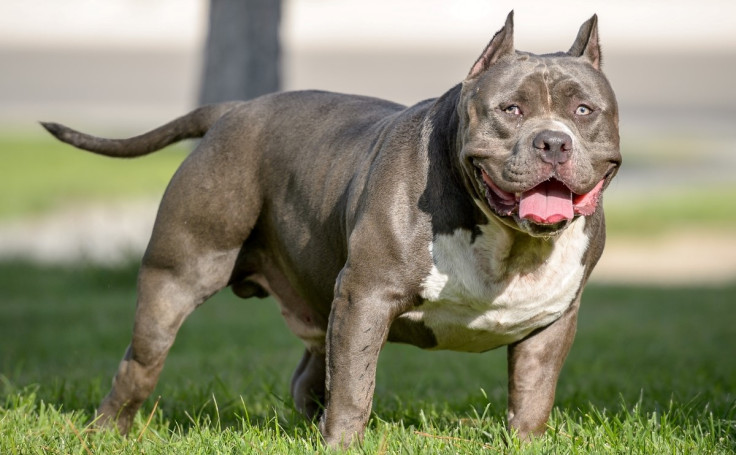
Children under the age of 12 will be legally banned from being left alone with dangerous dogs, including XL Bullies, under new UK safety measures aimed at reducing serious attack risks in homes and private settings.
The move forms part of a wider tightening of rules around controlled and high-risk dog breeds following a series of reported attacks involving powerful animals. Officials say the change is designed to strengthen child safety protections while still allowing responsible owners to keep dogs under strict conditions.
The new restriction will be introduced through secondary legislation and is expected to come into force on 1 November. Authorities say enforcement will apply in domestic environments as well as other private spaces where children may be left unsupervised with dogs classified as dangerous.
Animal Welfare Minister Baroness Hayman said the policy is intended to prevent avoidable tragedies, stating: 'No child should ever be left alone with a dangerous dog.'
What the New Law Changes for Dog Owners
Under the updated framework, owners of XL Bully dogs and other legally restricted breeds will be required to ensure that children under 12 are never left alone with them, even inside the home.
The measure builds on earlier restrictions introduced under the UK's Dangerous Dogs Act regime, which already places strict controls on XL Bully ownership, including requirements for muzzling in public and keeping dogs on a lead.
The new rules are expected to form part of wider exemption conditions for owners who are legally permitted to keep banned or restricted breeds under certification schemes.
Officials say failure to comply with the rules could result in prosecution, loss of exemption status, or seizure of the animal in serious cases.
Rising Concerns Over Dangerous Dog Incidents
The policy comes amid ongoing concern about serious dog attacks involving large and powerful breeds, particularly XL Bullies, which were added to the UK's list of banned types in recent years under the Dangerous Dogs Act framework.
While breed classification remains a complex legal issue based on physical characteristics rather than naming conventions, XL Bully-type dogs are among those subject to the strictest controls in England and Wales.
Authorities have previously linked the tightening of rules to multiple high-profile incidents involving children, which intensified pressure on lawmakers to strengthen safeguards around ownership and supervision.
Legal Status of XL Bully Dogs in the UK
XL Bully dogs are currently classified as a prohibited type unless owners hold a valid Certificate of Exemption, meaning they must comply with strict conditions including insurance, neutering requirements, and public safety measures.
It is illegal to breed, sell, abandon, or allow such dogs to stray, and owners without exemption certificates may face enforcement action.
The latest rule adds a layer of responsibility, focusing specifically on household supervision and child safety.
Balancing Ownership Rights and Public Safety
Animal welfare organisations and government bodies have previously emphasised the importance of responsible ownership rather than blanket assumptions about temperament.
Supporters of the new measure argue that young children are particularly vulnerable and require stronger safeguards in environments where large dogs are present.
Officials also stress that many incidents occur in private homes, making supervision rules a key focus of prevention efforts.
Enforcement and Next Steps
The government is expected to finalise implementation details before the rule comes into force in November. Guidance for local authorities and enforcement bodies will outline how supervision breaches are assessed and what penalties may apply.
While the measure stops short of a full ban on ownership, it significantly tightens the conditions under which restricted dogs can be kept in households with young children.
Authorities say the aim is simple: to reduce preventable harm and ensure that high-risk animals are never left unsupervised with those most vulnerable.
© Copyright IBTimes 2026. All rights reserved.