

Harry Styles Complains About Tipping Culture as Fans Fire Back Over His $1,000 Concert Tickets: 'Tone Deaf'
The singer's 30-show New York residency attracted more than 500,000 fans, but premium ticket prices remain contentious
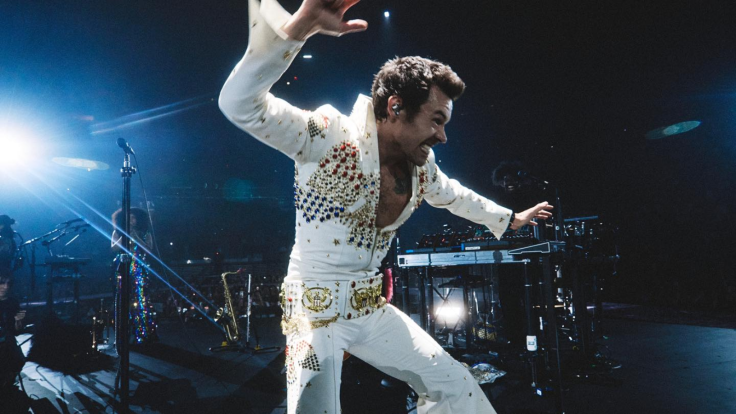
Harry Styles has sparked a debate about celebrity privilege after complaining about New York's tipping culture, with fans hitting back over concert tickets costing as much as $1,000.
The British singer made the remarks during his 30 October Halloween performance at Madison Square Garden, joking that a $10 (£7.60) cappuccino was 'out of control' and criticising digital payment screens asking customers to leave tips of 20, 22 or 24 per cent. While some viewers agreed with his frustration over tipping culture, others questioned his complaints given the high prices fans faced for premium seats at his Together, Together residency.
The disagreement reflects a wider tension in live entertainment: artists can speak to audiences about everyday costs, but their own ticket prices can shape how those comments are received.
Harry Styles' Tipping Comments Sparked Online Backlash
Styles made the remarks during the first of two Halloween-themed performances at Madison Square Garden. Wearing an Elvis Presley-inspired outfit, he joked that New York's coffee prices were more frightening than the holiday itself.
'The scariest thing about this Halloween is the price of caffeinated beverages in the city. Astronomical. It's out of control,' he told the audience. 'They have to be stopped. It's a cappuccino, it can't be $10. It can't be,' he added.
He then criticised digital payment terminals that prompt customers to select a tip percentage. 'And then you spin [the iPad] around to me [and ask for a] 20, 22 or 24 percent [tip]. It's out of control,' he said.
A clip of the exchange circulated on TikTok, where commenters connected his complaint to the cost of attending his shows. 'Mind you his ticket prices are $1,000,' one viewer wrote. Another called the remarks 'a bit tone deaf,' while someone else questioned why the singer was complaining about coffee when some fans had paid hundreds of dollars for concert seats. One commenter pointed to the cost of a premium seat, writing: 'Boy, your lower bowl ticket was $700. Give the baristas the little tip.'
However, other viewers defended Styles, arguing that tipping expectations in the US had become excessive and that his concert tickets were not unusually expensive compared with those of other major performers.
Premium Ticket Prices Fuelled the Affordability Debate
The reaction has revived complaints about the cost of Styles' Madison Square Garden residency, which began ticket sales in January. Ticketmaster listed prices ranging from $50 (£38) to $1,182.40 (£900), including fees. Preferred lower-bowl seats were also reported to have reached between $800 (£610) and $1,000 (£760).
The highest prices did not represent the cost of every ticket. Fans had access to different seating options, and the lowest listed price was considerably cheaper than the most expensive seats. Nevertheless, the premium figures became a point of frustration for concertgoers who felt that attending the residency was becoming unaffordable.
That distinction is central to the backlash. Styles was not charging every fan $1,000 to attend, but the availability of four-figure seats gave critics a specific comparison when questioning his comments about everyday spending.
Madison Square Garden Residency Drew More Than Half a Million Fans
Styles' 30-show residency ran from 26 August to 31 October 2026. Madison Square Garden Entertainment Corp. said the sold-out run attracted more than half a million fans from every US state and 79 countries. The final show was marked by a commemorative banner presentation from New York Knicks captain Jalen Brunson. The venue also recognised the residency with an exhibit featuring memorabilia from the performances.
The scale of the run demonstrated Styles' ability to attract a global audience, while the ticket debate showed the financial divide that can exist between a major concert event and the people hoping to attend it.
His comments about coffee and tipping were delivered as humorous stage banter, not as a direct response to fans' concerns about ticket prices. Yet the reaction suggests that audiences increasingly judge celebrity comments about affordability against the costs associated with their own work.
© Copyright IBTimes 2026. All rights reserved.