

'The iPhone Battery Conspiracy' Questions Apple's Repair Costs and Software Restrictions in New Documentary
The iPhone Battery Conspiracy documentary revisits Apple's throttling scandal and questions battery repairs, software locks and replacement costs
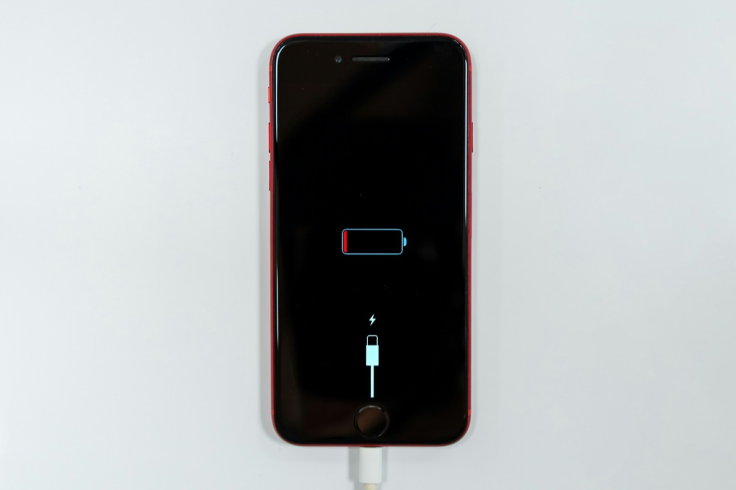
A new documentary released on Sunday, 22 November 2026, has revived scrutiny of Apple's approach to iPhone battery repairs, questioning how replacement costs and software checks affect consumers and independent technicians.
The 37-minute YouTube film, The iPhone Battery Conspiracy, was published by documentary channel Fern. It revisits Apple's earlier battery performance controversy and examines the obstacles people can encounter when attempting to extend the life of their phones.
Its central question is whether owners have sufficient control over repairs to devices they have already purchased.
Apple's 2017 Battery Controversy
In 2017, Apple acknowledged that software updates could reduce peak performance on certain older iPhones whose batteries had deteriorated.
Apple said the feature was intended to prevent unexpected shutdowns when ageing batteries could no longer supply enough power during demanding tasks. The explanation did not end criticism over how clearly customers had been told about the change.
Some users feared that slower performance might lead people to replace their phones unnecessarily. That concern was distinct from proof that Apple had deliberately designed the feature to encourage new purchases.
The controversy nevertheless brought regulatory consequences.
In February 2020, French consumer authorities announced that Apple had agreed to pay a €25 million fine after an investigation found that customers had not been adequately warned that certain iOS updates could slow their devices.
The action concerned consumer information about software updates, rather than an official finding that Apple intentionally shortened the useful life of iPhones.
Fern's documentary revisits that episode while examining a separate dispute involving replacement components and software verification.
How Battery Replacement Rules Have Changed
Apple's parts-pairing practices have drawn criticism from independent repairers who say software requirements can make otherwise straightforward repairs more difficult.
On some iPhones, an unverified replacement battery could trigger a notification identifying an unknown part. Depending on the model and repair circumstances, battery health information could also become unavailable.
Such behaviour raised concerns among repair advocates because a physically functioning replacement did not always restore the same information or features available before the repair.
Apple has maintained that component verification helps protect safety, performance and transparency about repair history.
But its policies have changed. The company has expanded repair options, including access to genuine parts and tools designed to help users complete supported repairs.
Apple also introduced Repair Assistant, which enables calibration of eligible replacement components. On iPhone 15 and later models running iOS 18 or newer, a compatible genuine battery previously used in another iPhone of the same model can be reused.
That distinction is important: limitations encountered on older devices should not automatically be assumed to apply to all current models.
Apple's support guidance also distinguishes a genuine previously used part from an unknown part, making the precise model, operating system and repair procedure essential when evaluating complaints about replacement batteries in practice.
The documentary also questions battery replacement expenses. However, the available source reporting does not establish a consistent price comparison covering different iPhone models, repair providers or markets.
For consumers, the issue is therefore broader than the cost of one replacement. It is also about whether independently repaired devices retain their expected functionality.
Fern's film brings those concerns back into focus, while Apple's evolving policies leave room for a more nuanced debate about ownership, repair access and how long smartphones should remain usable.
© Copyright IBTimes 2026. All rights reserved.