

Elon Musk's Rocket Went Down in Flames, Now Mexico Is Finding Suspected Debris Alongside Dead Wildlife
Mexico investigates thousands of fragments reportedly linked to Booster 22; the cause of the animals' deaths remains unconfirmed
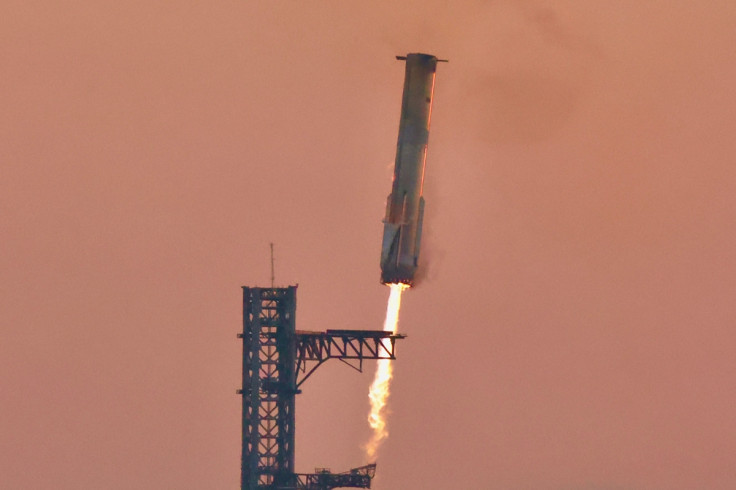
Elon Musk's latest Starship test flight has supposedly left an unsettling scene along Mexico's coastline, where suspected rocket fragments have washed ashore alongside dead turtles and dolphins. Environmental activists have raised concerns about the potential impact on marine wildlife after rocket debris reportedly washed ashore following the Super Heavy booster's explosion over the Gulf of Mexico.
The debris was discovered on Bagdad Beach, near the Mexican border city of Matamoros, following the failed recovery attempt on 13 November 2026. Thousands of fragments are reportedly scattered along the shoreline, prompting calls for SpaceX to take responsibility.
Thousands of Suspected Rocket Fragments Wash Ashore
The debris is believed to have come from Booster 22, the Super Heavy first-stage rocket used during Starship's 15th test flight. Although the upper-stage spacecraft reached space, the booster failed to return safely and instead attempted a contingency splashdown over the Gulf of Mexico.
However, it exploded just metres above the water, sending fragments into the surrounding area.
Jesús Elías Ibarra Rodríguez, president of Mexican environmental organisation Conibio Global, said thousands, potentially millions, of pieces of SpaceX debris had reached Mexican territory.
In a Facebook post, Rodríguez said field technicians had identified fragments of white plastic with grey tape, black rubber and blue adhesive believed to have come from the booster's interior.
He also warned that collecting every piece could prove impossible because of the quantity and size of the debris.
Dead Turtles and Dolphins Raise Environmental Concerns
The discovery of rocket fragments was accompanied by reports of dead marine animals on the same beach.
Conibio Global shared photographs of a dead turtle and a dolphin found along the shoreline two days after the explosion. Rodríguez said the animals could have been collateral damage from the failed rocket recovery.
However, he acknowledged that authorities had not definitively established either animal's cause of death.
The reports have triggered debates online, with some social media users questioning whether the explosion could have harmed marine wildlife.
One commenter argued that the blast could have affected animals over a considerable distance, while another questioned whether the dolphins had died before the launch.
Another suggested that Musk should be aboard the next test rocket, while one commenter pointed out that the Super Heavy booster, rather than Starship itself, was the part that exploded.
Mexican Authorities Investigate SpaceX Debris
Mexico's Federal Attorney General's Office for Environmental Protection (PROFEPA) has sent inspectors to Bagdad Beach to identify the materials and investigate the reported environmental impact, according to El Universal.
The agency said SpaceX would be asked to take responsibility for the debris. It also urged members of the public not to touch any rocket fragments they discover and to report them through its official channels.
SpaceX, meanwhile, says it has mobilised specialists to help identify potential debris and assist with cleanup work if required. The company maintains that its partners have found very little material during beach inspections and remains in contact with Mexican authorities, awaiting further requests for assistance.
SpaceX also disputed reports of widespread debris and damage, saying it was unclear whether the material its partners found came from its operations.
While the Starship programme continues to pursue major milestones in reusable rocket technology, the discoveries along Mexico's coastline raise questions about the environmental consequences of failed test flights and who should be responsible for cleaning up their aftermath.
© Copyright IBTimes 2026. All rights reserved.