

Iran Holds Strait of Hormuz Hostage Until Trump Accepts Seven Demands, Warns of 'New Surprises'
Tehran warns of 'new surprises' as it links reopening the waterway to US concessions
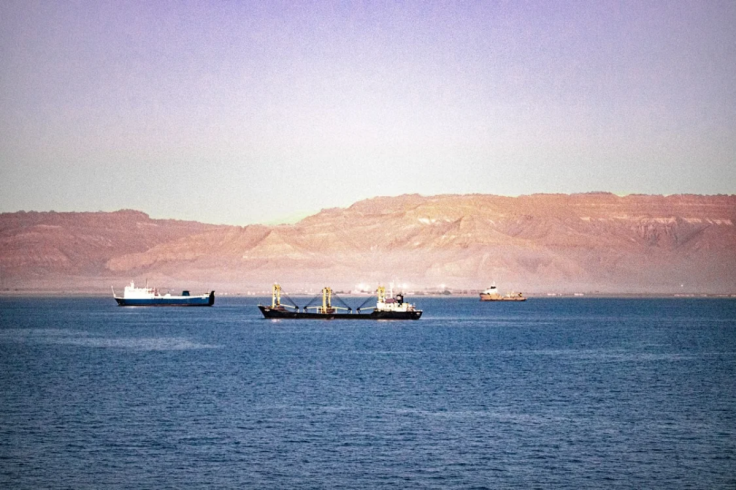
Iran has warned that the Strait of Hormuz will remain closed until the United States meets seven conditions demanded by Tehran, escalating its showdown with President Donald Trump over one of the world's most critical energy routes.
Iranian Parliament Speaker Mohammad Bagher Ghalibaf also warned that Tehran could confront its adversaries with 'new surprises' as diplomatic efforts to end the months-long crisis continue.
What Are Iran's Seven Demands To Reopen Hormuz?
Ghalibaf, who is also Iran's top negotiator, said Washington had recently submitted proposals through an intermediary after the US responded to Tehran's plan for restoring normal maritime traffic.
But he insisted Iran would not reopen the Strait of Hormuz until its conditions, based on the Islamabad Memorandum of Understanding reached in June, were fulfilled.
Iran has not publicly released an authoritative numbered list of all seven conditions. However, Geo News, citing a senior Iranian Foreign Ministry official, reported that Tehran is demanding the lifting of the US maritime blockade, the release of frozen Iranian assets and an end to sanctions on Iranian oil exports.
The reported conditions also include an end to US military operations against Iran, a halt to attacks against Tehran and its regional allies, the withdrawal of US forces from areas surrounding Iran's borders, and compensation for war damage alongside a commitment not to interfere with Iran's nuclear and missile capabilities.
Several elements broadly correspond with previously reported provisions of the Islamabad memorandum, including lifting the naval blockade, easing oil sanctions, releasing frozen Iranian assets and ending hostilities. However, Tehran has not publicly confirmed the seven demands individually.
'The position of the Islamic Republic of Iran is completely clear and firm,' Ghalibaf said, according to state media.
Tehran Warns US of 'New Surprises'
Ghalibaf paired the diplomatic ultimatum with a warning about Iran's military posture, saying Tehran remained active on the battlefield and would confront its opponents with 'new surprises.'
He said Iran was neither 'excited' nor 'intimidated' by Washington's latest proposals and would 'both fight and negotiate.'
Trump rejected Iran's proposal to reopen the Strait last week, although Washington subsequently responded through intermediaries. The US president last month threatened to 'annihilate' Iran during a speech at the United Nations General Assembly.
Iran Says Diplomacy Remains on the Table
Iranian Foreign Minister Abbas Araghchi said Tehran remained serious about finding a diplomatic solution while also preparing to defend itself.
Speaking to foreign ambassadors and diplomats in Tehran on Sunday, Araghchi said Iran hoped Washington would choose diplomacy and accept its proposal.
However, he warned that Iran was better prepared for another military confrontation.
'If they again move towards military solutions, we are more prepared than before and will take whatever action is necessary to defend ourselves,' Araghchi said.
Foreign Ministry spokesman Esmaeil Baghaei separately said Iran was currently focused on resolving the Strait of Hormuz crisis, while Washington had continued to focus on nuclear talks.
Strait of Hormuz Closure Hits Vital Global Energy Route
The Strait of Hormuz has been heavily disrupted for more than seven months, since the US and Israel launched strikes on Iran on 28 February, triggering one of the worst maritime shipping disruptions in decades.
During peacetime, roughly one-fifth of global oil and natural gas shipments pass through the narrow waterway linking the Persian Gulf with the Gulf of Oman.
Baghaei said Tehran's 'principal concern' was reaching an agreement that would restore peace and stability to the Strait. For now, Iran maintains that the waterway will not fully reopen until Washington accepts the conditions underpinning its proposal.
© Copyright IBTimes 2026. All rights reserved.