Ex-Jihadist Warns American Teenagers Are Lured Online by ISIS Into 'Superhero' Roles
Former jihadist Mubin Shaikh explains how ISIS recruiters lure American teens with promises of power and identity.
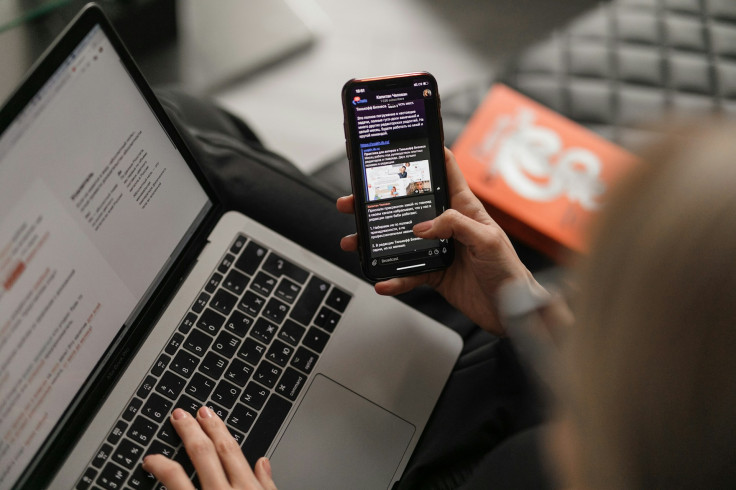
Teenagers across the United States are increasingly being drawn into extremist ideologies online, according to a former jihadist turned counterterrorism operative.
Mubin Shaikh, who was radicalised in his early twenties and later deradicalised in Canada, explained how recruiters for the Islamic State present terrorism as a route to power and purpose. FOX News reported that this promised a sense of identity to those who feel insignificant in daily life.
The warning comes after an alleged ISIS-inspired bomb plot in New York City, in which two young men attempted to attack a public demonstration outside of Mayor Zohran Mamdani's mansion.
How ISIS Targets American Teenagers
Shaikh compares extremist recruitment to the tactics of drug dealers, offering an addictive sense of thrill and belonging to those who feel overlooked in their communities. He described how young people are presented with an opportunity to 'become a hero overnight,' transforming from someone with little social recognition into a figure of notoriety and purpose.
In the New York City incident, 18-year-old Emir Balat and 19-year-old Ibrahim Kayumi allegedly travelled from Pennsylvania to Manhattan to throw improvised explosive devices at a protest outside the mayor's residence.
Federal prosecutors have classified the event as ISIS-inspired, noting that one suspect had signed a pledge of allegiance to the terror group.
Shaikh emphasised that the combination of grievance and ideology is a powerful driver. 'These recruiters aren't selling bombs—they're selling meaning,' he said, explaining that extremists exploit the desire for identity, adventure, and social status.
The Online Radicalisation is Starting Online
Unlike historical conflicts where propaganda spread through print or word of mouth, today's recruitment occurs largely online. Shaikh recalled his counterterrorism work against Canada's "Toronto 18" plotters, noting that exposure to training videos and propaganda fuelled imitation. Teenagers far removed from the Middle East can now access a constant stream of radical content, often disguised as inspirational or heroic messaging.
"The young people see these videos, and suddenly life imitates art," Shaikh said, describing how they internalise training routines and tactics glorified online. The operatives are careful to frame attacks as glamorous or prestigious, presenting violence as a form of empowerment rather than terror.
Officials have stressed that even brief engagement with extremist content can have serious consequences. Prosecutors in the New York case allege that Balat expressed a desire to carry out an attack "bigger" than the Boston Marathon bombing of 2013, which left three dead and hundreds injured. Both suspects now face potential life sentences, demonstrating the stakes for minors manipulated online.
How Radical Content Helps ISIS
Unlike in the past, when propaganda spread through newspapers or word of mouth, extremists now recruit mostly online.
Shaikh, who worked on counterterrorism cases in Canada, recalled the 'Toronto 18' plot, where young people copied what they saw in training videos and online propaganda. Teenagers far from conflict zones can now watch a constant stream of radical content, often made to look inspiring or heroic.
'They see these videos, and suddenly life imitates art,' Shaikh explained, meaning they copy the actions and tactics shown online. The videos make attacks look exciting and prestigious, rather than dangerous.
Authorities warn that even short exposure to extremist material can be dangerous.
In New York, prosecutors say Balat wanted to carry out an attack bigger than the 2013 Boston Marathon bombing, which killed three and injured hundreds. Both suspects now face life in prison, showing how serious online radicalisation can be for teenagers.
Lessons for the Public
The recent case of the ISIS-like plot shows that modern terrorism isn't just an overseas problem. Shaikh warns that extremists tailor their tactics to the people they target, focusing on personal weaknesses instead of ideology alone.
For many American teens, the promise of being important or heroic can feel just as powerful as any political or religious message.
Research in 2025 shows that nearly all teenagers in the United States aged 13–17 use the internet every day. About 96–97% of US teens say they go online daily, and around 46% eport being online 'almost constantly' throughout the day. This means that the overwhelming majority of American teens are connected to the internet nearly every moment they're awake, using smartphones, computers, and social apps as part of their everyday lives.
Shaikh's experience shows a bigger challenge for parents and law enforcement: stopping young people from seeing violence as a way to gain status, purpose, or recognition in a world dominated by digital media.
© Copyright IBTimes 2026. All rights reserved.
- MOST POPULAR IN World