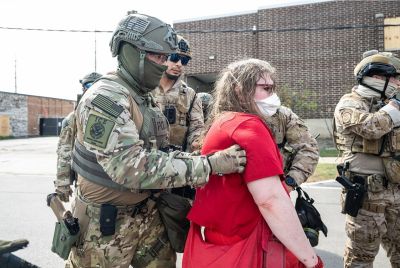
Zero Sympathy: ISIS Brides Arrested for Slavery and Terrorism After $10,000 Yazidi Slave Allegations
Three alleged ISIS brides have been arrested in Melbourne on terror and slavery charges after years in Syria, reigniting the debate over repatriation and accountability.
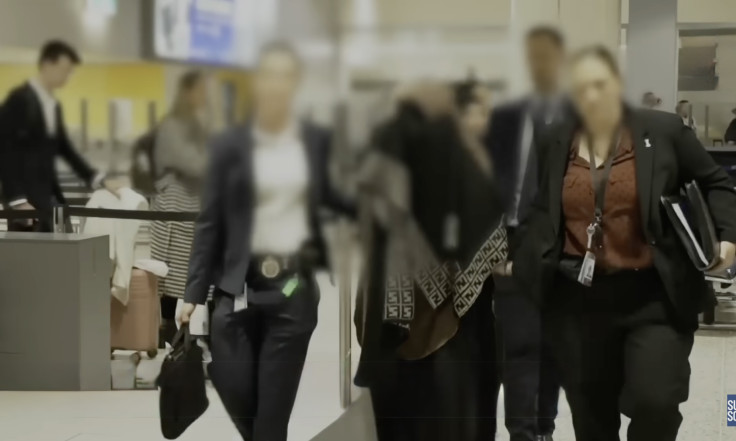
Three alleged 'ISIS brides' were arrested at Melbourne Airport on Thursday 7 May as they landed in Australia, with federal police accusing them of terrorism and slavery offences linked to Islamic State and the enslavement of a Yazidi woman. The Australian Federal Police (AFP) said the women, 31-year-old Zeinab Ahmed, 32-year-old Janai Safar and 53-year-old Kawsar Abbas, were detained as they stepped off a repatriation flight from Syria, almost a decade after they first travelled into Islamic State territory.
The three were part of a wider group widely labelled 'ISIS brides' in Australian and international media, comprising four women and nine children and grandchildren who went to Syria to marry Islamic State fighters before the group's self-proclaimed caliphate collapsed in 2019. They were later held for years in the Al Roj camp in north-eastern Syria, a sprawling and volatile detention site run for a time by the Kurdish-led Syrian Democratic Forces before control shifted amid renewed conflict and the emergence of Syria's new government.
ISIS Brides Case Highlights Slavery Claims
Court documents, cited by ABC News in Australia, allege that Ahmed and Abbas took part in international slavery offences, including the purchase of a Yazidi woman in 2015. Prosecutors say the woman was bought as a slave, in line with Islamic State's notorious practice of targeting the Yazidi minority in Iraq and Syria. The AFP has not yet detailed the alleged victim's current location or condition, and no direct evidence has been released publicly.
Safar, the third defendant, faces terrorism charges linked to alleged membership of Islamic State. AFP Assistant Commissioner for Counter Terrorism Stephen Nutt said the terrorism offences carry maximum sentences of up to 10 years' imprisonment, while the slavery‑related charges are punishable by up to 25 years.
Nutt told reporters the arrests followed a 'near decade-long wait' to bring the women before an Australian court, underlining both how long Western governments have grappled with their citizens stranded in Syrian camps and how politically fraught repatriation has become. Australian authorities had known the women were alive in Al Roj, but any move to bring them home risked the very scene that unfolded in Melbourne, immediate arrests, terrorism charges and an explosive domestic debate.
According to images released by the AFP, officers met the women directly at the airport gate and escorted them from the aircraft in handcuffs. Local media reported that a group of men dressed in black, some apparently masked, had arrived at Melbourne Airport in anticipation of the flight, apparently intending to usher the women out of the terminal. Whatever they had in mind, they were overtaken by the speed and choreography of the police operation.
Political Zero Sympathy for Returning ISIS Brides
The ISIS brides controversy has become a political trap for governments from Canberra to London. In Australia, Syria's new government has reportedly been pushing since February to expel remaining Australian nationals from its territory, forcing Prime Minister Anthony Albanese's administration to accept their return despite fierce criticism from opponents and parts of the public.
Home Affairs Minister Tony Burke sought to draw a hard line in advance. He said before the plane landed that returning women would receive no assistance beyond standard passport and consular services. There would be no special resettlement package and no public sympathy. The implication was clear: whatever they endured in Al Roj, they were returning as suspects, not victims.
The three women have already appeared in court and were refused bail, remaining in custody while the cases proceed. So far, no plea has been entered. Their legal teams have not publicly commented in detail, and it remains to be seen whether they will argue that they were coerced, trafficked or otherwise lacked meaningful agency when they entered Islamic State-controlled territory, a defence raised in other ISIS bride cases in Europe, though with mixed success.
The stakes extend well beyond Australia. Rights groups and some security analysts have warned for years that leaving citizens in camps such as Al Roj risks radicalisation, exploitation and eventual uncontrolled escape. Yet the optics of flying home women branded as ISIS brides, some accused of buying a Yazidi slave for around $10,000 according to earlier media reporting, sit uneasily with voters who see no reason to show mercy.
British ministers know that tension all too well. While the Melbourne arrests played out, an estimated 30 to 65 UK-linked individuals, including women and children, remained in detention in north-eastern Syria, many still held in Al Roj. Overall, between 55 and 72 people with ties to the UK are believed to be spread across various camps and detention facilities in the region.
The UK government has largely opted to strip citizenship from dual nationals deemed security risks and resist large-scale repatriation, arguing that bringing them back poses an unacceptable threat. Lawyers and charities counter that abandoning citizens to indefinite detention without trial is both unlawful and self-defeating.
The Australian cases will now test a different approach: bring ISIS brides home, charge them with the gravest offences on the statute book and let the courts decide whether they were partners in barbarity or bit players trapped inside it.
Nothing in these proceedings has yet been proven. The allegations, particularly around slavery, are devastating if true, but they will stand or fall on the evidence presented in the months ahead. Until then, the term "ISIS bride" will continue doing a lot of heavy lifting, a shorthand that obscures as much as it reveals about the women whose lives and choices now sit under a very bright legal light.
© Copyright IBTimes 2026. All rights reserved.
- Recommended For You