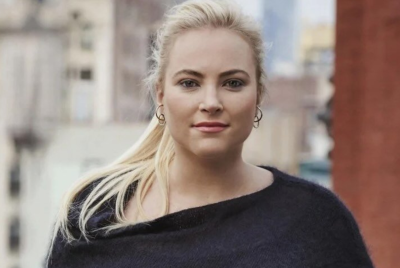
Meghan Markle Humiliated: Prince Harry's Wife Branded a Hypocrite Over Princess Lilibet Post
Meghan Markle is under fire for promoting children's online safety in Geneva shortly after sharing Instagram photos of Archie and Lilibet, prompting claims she is sending mixed messages.

Meghan Markle was accused of 'massive hypocrisy' this week after using a high-profile speech in Geneva to call for tougher action on children's online safety, just days after sharing a new image of Princess Lilibet on Instagram.
The criticism of the Duchess of Sussex, centred on her own use of social media to showcase her children, came from commentators who argued she could not call for young people to be shielded from digital harms while simultaneously putting her family into the online spotlight.
Meghan's latest public intervention followed a brief burst of family‑focused posts from the couple's Archewell‑linked Instagram account. On 6 May she marked Prince Archie's seventh birthday with a photograph of Harry cradling him as a baby, calling him her 'sweet boy.'
Ten days later, on 16 May, she shared a more informal shot of Princess Lilibet. Meghan is seen in a room full of clothes, with her daughter at her feet, facing away from the camera, captioned simply 'Mama's little helper' with a violet heart emoji.
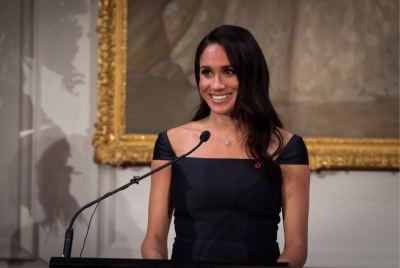
Those posts had barely settled in followers' feeds when Meghan flew to Switzerland to address the opening of the Lost Screen Memorial in Geneva, a commemoration for people who have died after suffering what organisers describe as 'digital harm.'
Speaking on Sunday alongside World Health Organisation Director-General Dr. Tedros Adhanom Ghebreyesus, she urged global health leaders and ministers to treat children's online safety as a 'public health issue.'
The duchess warned that children were being shaped by 'systems designed to capture attention at any cost,' pointing at 'relentless algorithms, exploitative engagement, and endless exposure to harmful content that they are not seeking out.'
She went further, arguing that emerging technologies such as artificial intelligence were not just repeating old mistakes but 'accelerating and amplifying them,' with new forms of harm appearing faster than societies could respond.
Critics Call Markle 'Tone Deaf' Over Lilibet Post
If the Geneva speech was intended as a serious intervention in the tech‑safety debate, the timing left Meghan open to attack. Internet commentator Samara Gill said the duchess's stance on children and social media did not square with her behaviour on Instagram.
Gill described it as 'massive hypocrisy,' arguing that the decision to post about Lilibet days before lecturing tech companies had been badly judged. 'It is tone deaf,' she said.
'It's not a good thing to be doing when you're trying to lecture those on keeping children away from social media, having some really strong words towards the tech companies and then going and doing quite the opposite.'
It is a familiar tension for public figures who insist they want privacy for their children but also use carefully curated glimpses of family life to shape their own image.
In the Sussexes' case, the calculation seems particularly fraught, they have repeatedly complained about intrusive media coverage, yet still rely on controlled releases of photographs to keep their global profile warm.
Royal Editor Questions Markle's Approach
ITV News royal editor Chris Ship also weighed in, broadening the criticism beyond Meghan Markle herself to a wider parenting trend.
Speaking on The Sun's Royal Exclusive podcast, he said he had long taken issue with parents who post images of their children online while obscuring their faces with emojis, as Harry and Meghan have done in the past.
'Pick a lane,' Ship said. 'Either [don't] put your kids on social media at all or do it, but if you're going to do it that is your choice as a parent. It's not your child's choice to go on social media.'
He suggested that today's children could eventually question the digital trail left by their parents. When they become adults, Ship argued, they may ask why images of them were shared without their consent. 'It's a really difficult choice for parents,' he added, hinting that the dilemma is hardly unique to the Sussex household.

In fairness to Meghan, the images she has posted of Archie and Lilibet have been tightly controlled. The Lilibet picture does not show her face, and the Archie birthday post was a printed photograph from his infancy.
They are a far cry from the constant, unfiltered exposure some children face. Yet her Geneva message was unambiguous, children are being harmed at scale by technologies and platforms designed, in her words, to 'capture attention at any cost.'
That clarity leaves little room for half‑measures, which is where her critics have found their opening. If social media is unsafe territory for young people, they argue, then selective, brand‑managed appearances of royal children online look less like protection and more like strategy.
Nothing in this dispute has been independently tested or adjudicated. The accusations of hypocrisy rest entirely on public perception of Meghan Markle's posts and her Geneva remarks.
© Copyright IBTimes 2026. All rights reserved.
- Recommended For You