Mick Jagger, Eric Clapton and Felicity Kendal Halt Thames Tower Plan in Stunning Celebrity Planning Victory
Celebrities and local residents successfully oppose the 'One Battersea Bridge' development, preserving historic views along the River Thames.
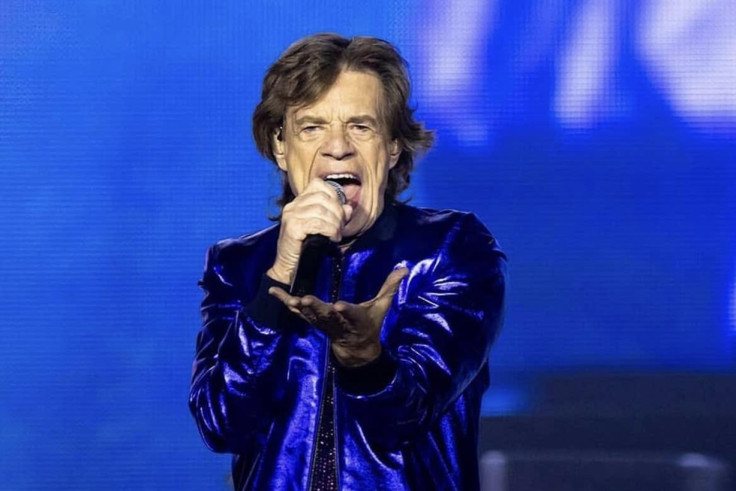
Rock legends Mick Jagger and Eric Clapton have emerged victorious in a high-profile battle to block the construction of 'One Battersea Bridge', a controversial 29-storey tower overlooking the River Thames in west London.
The proposed riverside development, planned near the south bank of the Thames near Battersea Bridge, had sparked fierce opposition from local residents, heritage campaigners and a string of celebrities who argued the skyscraper would damage historic views along the Thames and overwhelm the surrounding neighbourhood.
Actress Felicity Kendal also joined the campaign against the project, which opponents claimed would create excessive strain on local infrastructure while dramatically altering the character of the riverside skyline.
A planning inspector upheld the rejection of the proposal after a lengthy planning dispute, delivering a major setback to developers hoping to transform the site with luxury flats and commercial space.
Celebrities Lead Campaign Against Riverside Tower
The development had been proposed for the area next to Battersea Bridge, one of London's most expensive residential districts. Critics argued the 29-storey building would tower over nearby homes and obstruct protected views across the Thames.
Jagger, who owns property nearby, was among the most prominent voices objecting to the scheme. Campaigners warned that the building's height would set a dangerous precedent for future high-rise projects along the river.
Clapton also backed local residents fighting the proposal, while Kendal described the plans as deeply harmful to the character of the historic neighbourhood. Community groups argued the development would worsen traffic congestion and place further pressure on public services already struggling to cope with population growth.
Planning inspectors had previously reviewed the scheme following objections lodged by residents and conservation organisations. The dispute quickly became one of the most closely watched planning rows in London, drawing national attention because of the involvement of several well-known figures from the entertainment industry.
Planning Inspector Rejects Controversial Development
The appeal was dismissed following an inquiry overseen by the planning inspector. It marked a major victory for campaigners after months of lobbying and public hearings. Officials concluded that the tower's impact on the surrounding environment outweighed the potential economic benefits promised by developers.
Supporters of the project had argued the scheme would create new housing and stimulate investment in the area. They also claimed the modern tower would complement wider regeneration efforts taking place along stretches of the Thames.
However, opponents maintained that the development represented another example of luxury-led construction threatening London's historic landscape. Critics have increasingly accused developers of prioritising expensive riverside apartments over sustainable urban planning and community needs.
The ruling is likely to be welcomed by conservation groups concerned about the growing number of tall buildings being proposed across the capital. Heritage campaigners have repeatedly warned that unchecked skyscraper development risks eroding London's distinctive skyline.
Landmark Victory for Local Residents
Residents celebrating the decision described it as a rare victory against powerful property interests in one of Britain's most competitive housing markets.
Campaigners said the outcome demonstrated that organised community opposition could still influence major planning decisions despite mounting pressure for large-scale urban development in London.
Chelsea resident Rob McGibbon, who is a long-standing showbiz journalist with The Chelsea Citizen, used his celebrity contacts to gain the support of high-profile personalities living locally. This drew even more attention to the controversial tower and set in motion its ultimate demise.
The rejection of the tower is also expected to fuel broader debates over how the capital should balance housing demands with the preservation of historic districts and protected river views.
For now, Jagger, Clapton and fellow campaigners have succeeded in stopping a project they believed would permanently alter one of west London's most iconic stretches of the Thames.
© Copyright IBTimes 2026. All rights reserved.
- Recommended For You