Nigel Farage Has Received 597 Death Threats Since February 2026: 'Execute the Stinking Traitor'
Reform UK leader highlights the urgent need for enhanced security measures for politicians following a surge in threats.

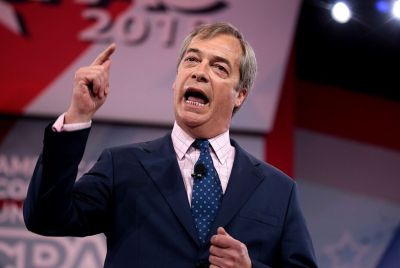
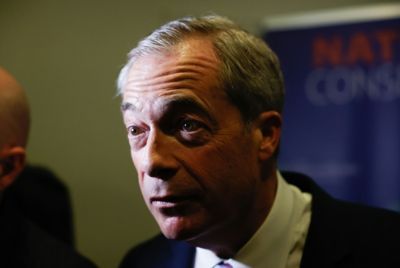
Reform UK leader Nigel Farage says he has received 597 death threats since February, with his party claiming he has been targeted by a total of 1,577 threatening messages over the past five months.
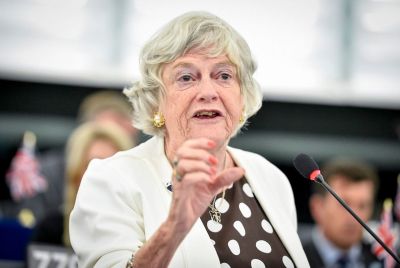
The figures have reignited debate over the security of politicians following the killing of former Conservative minister Ann Widdecombe, with Reform calling for stronger protection for its MPs.
Reform Says Farage Has Received Nearly 600 Death Threats
According to Reform UK, Farage has received an average of almost 30 death threats a week since February. The party said the threats have been made through social media, email and post, with several allegedly coming from individuals it believes are fixated on harming him.
One message released by Reform read: 'Execute the stinking traitor Nigel Farage. TODAY.'
Speaking as concerns over political violence continue, Farage said the abuse directed at him has escalated significantly.
'I'm getting about 300 threats a month, almost all through social media,' he said.
The party said Farage has also been physically assaulted three times while campaigning for the Brexit Party and Reform UK.
Row Over Security Provision
The figures were released ahead of Farage meeting the head of the Home Office's Royal and VIP Executive Committee (RAVEC), which oversees security arrangements for senior public figures.
Farage has previously said he rejected a government-funded security package because he believed it did not adequately reflect the level of threat he faces. He has said he instead pays for private security.
Reform UK spokesperson Robert Jenrick argued the government should have acted sooner.
'The government chose not to give Nigel the security that he needed,' he told BBC Radio 4's Today programme.
'It shouldn't have taken the death of Ann Widdecombe' for Farage to be offered a meeting with the committee responsible for reviewing his security, he added.
Downing Street rejected suggestions that political considerations influenced security decisions, saying Prime Minister Sir Keir Starmer believes no politician should face abuse or violence because of their views.
Growing Concerns Over Politicians' Safety
Threats against elected representatives have become an increasing concern in recent years following the murders of Labour MP Jo Cox in 2016 and Conservative MP Sir David Amess in 2021.
Those attacks prompted reviews of MPs' security, while police and parliamentary authorities introduced additional protective measures.
Despite those changes, many politicians have continued to report persistent abuse and intimidation, particularly online. Campaigners have warned that the increasingly hostile environment risks discouraging people from entering public life.
Calls for Stronger Protection
Reform says the number of threats received by Farage demonstrates why security arrangements for politicians should continue to be reviewed.
While online abuse directed at public figures is common, police and security services assess each reported threat individually to determine whether it poses a credible risk. It is not publicly known how many of the threats disclosed by Reform UK have resulted in criminal investigations or arrests.
The party maintains that the volume of threatening messages received by its leader underlines the need for continued attention to the safety of elected representatives as concerns over political violence remain in the spotlight.
© Copyright IBTimes 2025. All rights reserved.
- Recommended For You