RFK Jr.'s CDC Turns to Unpaid Airport Volunteers for Ebola Screening After Gutting Its Trained Workforce
Volunteer recruitment follows significant workforce reductions amid growing Ebola outbreak concerns.

The Centers for Disease Control and Prevention (CDC) has issued an urgent internal call for volunteer screeners at major US airports as the worst Ebola outbreak in years spirals toward 1,000 cases and threatens to reach American soil.
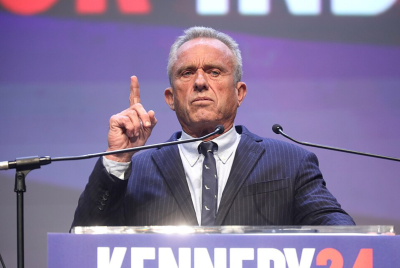
Acting director Jay Bhattacharya sent the appeal to CDC staff on 27 May 2026, asking them to deploy voluntarily to three designated airports for Ebola screening duties. The request landed after a sustained campaign of workforce reductions under Health Secretary Robert F. Kennedy Jr. and the Department of Government Efficiency (DOGE) stripped thousands of trained public health personnel from the agency.
As a WHO-declared public health emergency of international concern deepens across the Democratic Republic of the Congo and Uganda, the US agency once regarded as the global standard-bearer for outbreak response is staffing its airport frontlines with whoever raises their hand.
Bhattacharya's Urgent Deployment Request to a Depleted Workforce
The internal email, sent by Bhattacharya on Tuesday and independently reviewed by Bloomberg News and ABC News, prioritised so-called CDCReady Responders, a pre-designated pool of deployable agency staff, but opened the call to the wider workforce across job series and pay grades.
Those who volunteer would be responsible for observing incoming passengers for signs of illness, checking temperatures, and referring suspected cases for further assessment, according to Reuters, which also reviewed the email.
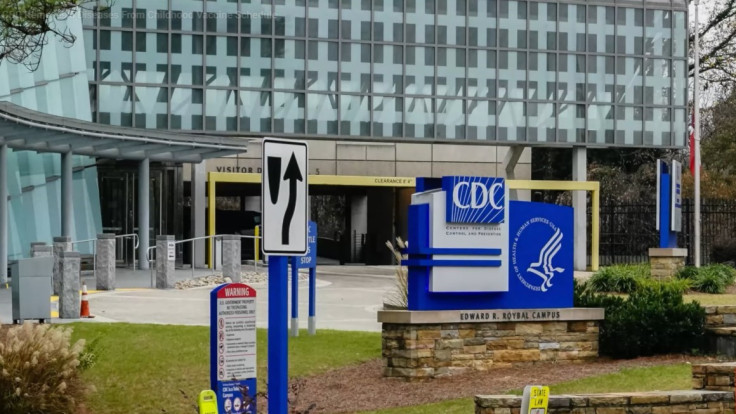
An HHS official confirmed the authenticity of the letter to ABC News. Bhattacharya is simultaneously serving as NIH director, a dual role he has held since February 2026 when HHS Secretary Kennedy installed him as acting CDC head following the removal of Jim O'Neill. The CDC has not had a Senate-confirmed permanent director since Kennedy fired Susan Monarez last August, less than a month after her confirmation.
Screening operations are directed at three airports. The CDC began enhanced entry screening at Washington Dulles International Airport from 11:59 pm on 20 May, then expanded to Hartsfield-Jackson Atlanta International Airport on 22 May. George Bush Intercontinental Airport in Houston was added alongside the volunteer request.
Travellers who have visited the DRC, Uganda, or South Sudan in the 21 days before their flight are now routed to these hubs under a DHS Federal Register notice invoking Title 42 authority.
The Systematic Dismantling of CDC's Global Health Capacity
The volunteer recruitment drive arrives against the backdrop of the most aggressive drawdown of CDC staffing in the agency's history. In April 2025, the HHS, in coordination with DOGE, announced plans to cut 10,000 full-time positions, reducing the department from 82,000 to 62,000 employees and saving an estimated £1.4 billion ($1.8 billion) per year. The CDC alone lost approximately 2,400 workers in that round.
October 2025 brought another wave. During the second week of a government shutdown, Kennedy dismissed more than 1,000 CDC scientists, doctors, and public health officials in a single Friday night action. That round wiped out the entire director's office of the National Centre for Immunisation and Respiratory Diseases. Critically, the office of the director at the CDC's Global Health Centre, the division specifically tasked with stopping health threats before they reach the United States, was abolished entirely.

Public health experts responding to NPR reporting warned that the cuts had eliminated not just headcount but institutional knowledge, briefing infrastructure, and surge capacity. The CDC's Washington office, which maintained direct communication lines with Congress, was shut down completely. Now, facing precisely the international outbreak scenario those eliminated teams were designed to manage, the agency is turning to whoever in its remaining workforce is willing to volunteer.
The Bundibugyo Strain: No Vaccine, No Specific Treatment, and a Rising Death Toll
The outbreak driving this response is the 17th confirmed Ebola epidemic in the DRC. The causative agent is the Bundibugyo virus, a species of Ebola first identified in Uganda in 2007 and historically associated with case fatality rates between 25 and 50 per cent. Crucially, there is no licensed vaccine or specific therapeutic approved for Bundibugyo virus, unlike the Zaire strain for which Ervebo exists.
The WHO declared a Public Health Emergency of International Concern on 16 May 2026. As of 25 May, the DRC's Ministry of Health reported 105 confirmed cases -- including 10 deaths -- and 906 suspected cases with 223 suspected deaths across Ituri, North Kivu, and South Kivu provinces. Uganda had recorded seven confirmed cases including one fatality, several linked to travel from the DRC. In total, the ECDC has recorded 1,018 suspected and confirmed cases and at least 234 deaths as of 26 May.
The outbreak's trajectory is troubling international health authorities. On 25 May, Italy reported two suspected Ebola cases in Milan after two individuals who had travelled from Uganda to Lombardy developed symptoms consistent with haemorrhagic fever and were hospitalised in isolation, according to ECDC updates. The International Rescue Committee has warned the outbreak risks becoming the deadliest on record, driven by population displacement, cross-border movement, and active conflict zones that complicate response operations.
The United States now finds itself relying on internal volunteers to screen for one of the world's most lethal pathogens at its borders, a position made possible by successive political decisions to dismantle the very infrastructure built to prevent such a scenario.
© Copyright IBTimes 2026. All rights reserved.
- Recommended For You