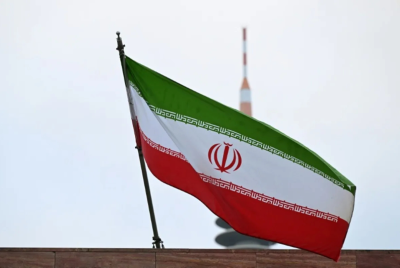
Oil Prices Plunge 5% As Donald Trump Teases Historic 'Constructive' Iran Peace Deal
West Texas Intermediate futures were down about 5.8% at $90.95 a barrel, while Brent, the global benchmark, fell by a similar margin to around $97.60.
Oil prices plunged by around 5 per cent on Monday in New York and London after Donald Trump said talks with Iran over reopening the Strait of Hormuz were progressing in a 'constructive' way, signalling possible relief for energy markets but without any concrete deal in place.
The news came after months of extreme volatility driven by the war between the US, Israel and Iran. Since late February, when US and Israeli airstrikes killed Iran's supreme leader, Ayatollah Ali Khamenei, and other senior figures, Tehran has tightened its grip on the Strait of Hormuz, while Washington has hit back with a naval blockade of Iranian ports and ships. Between them, the measures have created what analysts describe as the largest oil supply disruption on record.
🚨 JUST NOW: Oil prices have just DROPPED -5% as the world watches President Trump surge toward an Iran deal
— Eric Daugherty (@EricLDaugh) May 24, 2026
47 is ensuring the Strait is FREE of Iranian control and tolls while refusing to give anything until the nuclear threat is done
KEEP PUSHING!pic.twitter.com/QWc5FhHL3L
By early trading on Monday, West Texas Intermediate futures were down about 5.8% at $90.95 a barrel, while Brent, the global benchmark, fell by a similar margin to around $97.60. The move extended sharp losses from last week, when US crude slid more than 8%, and Brent dropped more than 5% after Trump said he had called off imminent airstrikes to allow more time for diplomacy.
The immediate trigger this time was a short message from Trump on social media on Sunday. 'The negotiations are proceeding in an orderly and constructive manner, and I have informed my representatives not to rush into a deal in that time is on our side,' he wrote, in comments traders took as a sign that a framework might be within reach.
Oil Prices Plunge 5% As Donald Trump Hints At Strait Of Hormuz Deal
Trump had already raised expectations a day earlier. On Saturday, he said that an agreement with Iran to open the Strait of Hormuz, 'among other issues,' was largely negotiated and would be announced soon. For a market starved of good news, that was enough to spark a wave of profit‑taking after months of gains.
Crude prices had surged more than 30% since the 28 February strikes as tankers were forced to reroute or sit idle and buyers scrambled for alternative barrels. Any indication that Iran and the US might be edging towards a compromise over Hormuz was always likely to shake that narrative, at least temporarily.
🚨 TRUMP IS COOKING!
— Gunther Eagleman™ (@GuntherEagleman) May 24, 2026
OIL FUTURES PRICES JUST CRASHED - 5%!
As the world watches President Trump steamroll toward a massive Iran deal, oil prices are TANKING. pic.twitter.com/liCTDe37EN
At the same time, traders have been badly burned by Trump's optimism before. He has previously suggested that the confrontation with Iran was close to resolution, only for talks to stall, tensions to flare and oil to spike again. That history explains why Monday's sell‑off, while sharp, was not accompanied by the kind of euphoria that might normally greet talk of a 'largely negotiated' peace.
His phrasing also carried its own warning. In insisting that 'time is on our side,' Trump made clear that Washington sees no need to rush into signing on the dotted line. He added that the US blockade of Iran's ports and vessels would stay in 'full force and effect until an agreement is reached, certified, and signed.' In other words, nothing in the physical flow of oil has changed yet.
Hormuz Blockade, Historic Supply Shock And Fragile Optimism
Behind the day‑to‑day swings lies the brute strategic fact that makes every Trump post market‑moving. Since early March, Iran has imposed what US officials describe as a de facto blockade of the Strait of Hormuz, insisting that ships obtain its permission to pass or risk attack.
Before the war, about 20% of global crude supplies transited that narrow sea lane. With those shipments throttled, exports from several Middle Eastern producers have been slashed, triggering what the current reporting calls the biggest supply disruption in history. The US response, a mirror blockade of Iranian ports and vessels, is aimed at squeezing Tehran's revenue and leverage as talks unfold.
🚨🇺🇸🇮🇷 Oil prices just crashed over 5% toward $92 a barrel as markets bet hard on a U.S.-Iran peace deal.
— Mario Nawfal (@MarioNawfal) May 24, 2026
Source: Trading View https://t.co/Cejhk9408Q pic.twitter.com/QB2Xrlwk0n
In this context, the market's reaction to a few cautious lines from Donald Trump becomes easier to understand. When supplies are this tight, sentiment is doing almost as much work as geology. Oil prices plunge 5% on the suggestion of 'constructive' talks; they can just as easily jump on a hint of breakdown.
For now, traders are trying to read small signals from both sides. Last week's decision by Trump to halt planned strikes was interpreted as a tilt towards negotiation. Monday's follow‑up message reinforced that perception, even if his insistence that the blockade will remain fully in place underlined that Washington still sees coercion and diplomacy as two sides of the same strategy.
Crude oil prices fell more than 5% on Sunday after President Donald Trump indicated that talks with Iran to reopen the Strait of Hormuz are advancing, though he said the U.S. would not rush a deal.
— CNBC International (@CNBCi) May 25, 2026
➡️ President Donald Trump said talks with Iran were “proceeding in an orderly and… pic.twitter.com/maH1BHptkj
There is still no signed document, no official timetable for reopening Hormuz and no detailed outline of what any eventual deal might look like. Iran's own public messaging on the talks is not reflected, and none of the reported positions has been verified by an independent, multilateral source.
With so many key points undisclosed or unconfirmed, expectations of a swift or 'historic' breakthrough remain premature. At present, the clearest developments are that oil prices have declined, Donald Trump has described the negotiations as 'constructive,' and one of the world's most strategically important maritime chokepoints remains effectively restricted in practical terms.
© Copyright IBTimes 2026. All rights reserved.
- Recommended For You