

How Did Alaska End up With Two Dan Sullivans on Its Senate Ballot Before Mary Peltola's Victory?
The Democrat won an outright majority, while a court battle and disputed allegations surrounded the candidacy of Daniel J. Sullivan Jr
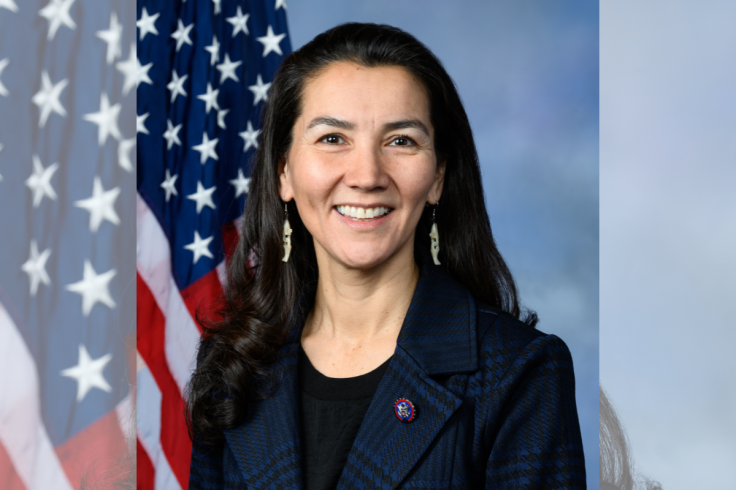
The Associated Press has called Alaska's US Senate race for Democrat Mary Peltola, who defeated Republican incumbent Dan S. Sullivan after a legal fight over a similarly named challenger. Two Dan Sullivans appeared on the ballot on 3 November 2026, raising questions about how the challenger qualified and whether his candidacy affected the result.
Peltola, a former congresswoman, faced the incumbent, retired Petersburg teacher Daniel J. Sullivan Jr. and Republican Gerald Heikes. All four had qualified through Alaska's top-four primary, which advances the four leading candidates regardless of party.
Why Two Dan Sullivans Were Allowed on Alaska's Ballot
The incumbent filed on 16 May, followed by Sullivan Jr. on 29 May. On 15 June, Alaska elections director Carol Beecher disqualified the challenger, questioning whether his candidacy was genuine and whether his preferred name could mislead voters.
Sullivan Jr. challenged the decision. On 26 June, Superior Court Judge Thomas Matthews ruled that officials had applied a 'good-faith' candidacy requirement that was not supported by law. The Alaska Supreme Court upheld his reinstatement on 29 June.
The final ballot distinguished the two men. The incumbent appeared as 'Sullivan, Dan S.', identified as a Republican and incumbent. His challenger appeared as 'Sullivan, Daniel J. Jr.', without a party affiliation on the ballot. Official candidate records classified him as undeclared, although he initially filed as a Republican.
Both advanced from the 18 August primary. In the general election, Alaska's ranked-choice system let voters rank candidates by preference rather than choose only one.
Alaska's Two Dan Sullivans Became a Legal Dispute
On 22 October, the US Department of Justice sued over possible voter confusion. It sought to block certification in certain circumstances if confusion could have affected the result.
Separately, The New York Times reported allegations that Democratic political operatives encouraged Sullivan Jr. to run to divert votes from the incumbent. Peltola denied involvement, and Sullivan Jr. denied entering the race at her campaign's request. The claims remain disputed.
Federal judge Sharon Gleason dismissed the lawsuit on 1 November. The ruling rejected a proposed remedy that could compromise ballot secrecy, but did not resolve the recruitment allegations. The Justice Department appealed and separately confirmed a criminal investigation. Neither development establishes wrongdoing.
Did the Second Dan Sullivan Change Peltola's Result?
Alaska's unofficial results on 17 November gave Peltola 144,302 votes, or 50.12 per cent, against 131,844 votes, or 45.80 per cent, for the incumbent. All 401 precincts had reported. Peltola's outright majority meant no additional ranked-choice counting was needed.
Sullivan Jr. received 4,760 votes, while Heikes secured 6,105. Their combined 10,865 votes were fewer than Peltola's 12,458-vote lead over the incumbent. That comparison does not establish how those voters would otherwise have voted.
Under Alaska's ranked-choice system, second preferences matter only when no candidate wins an outright majority. Because Peltola passed that threshold, neither minor candidate's votes needed to be redistributed to determine the winner.
'Alaskans have voted for change and I'm so honored to be your next US senator,' Peltola said in a recorded statement.
Her victory gives Democrats a projected 56–44 Senate majority and makes her the first Alaska Native elected to the chamber.
The incumbent had not conceded when the AP called the race. His spokesman, Nate Adams, said the campaign would await a complete and accurate count. Official certification was scheduled for 25 November.
© Copyright IBTimes 2026. All rights reserved.