

Meghan Markle's As Ever Brand Allegedly Facing AU7 Million Loss Over Unsold Expiring Stock
Exploring the financial challenges facing Meghan Markle's lifestyle brand amid unsold inventory concerns.
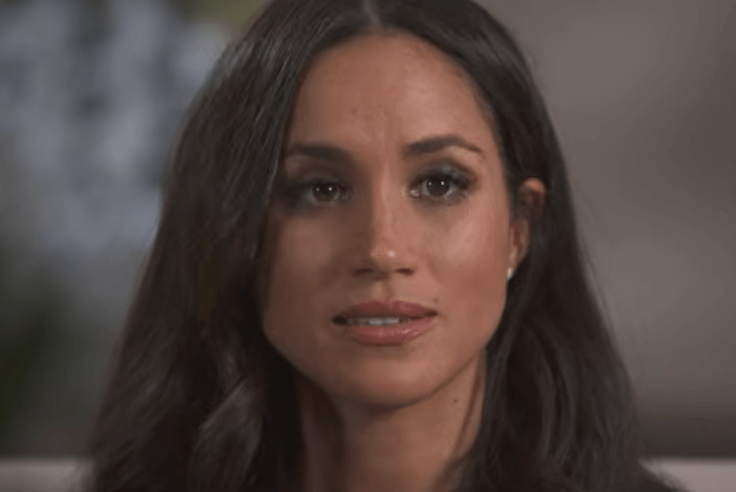
Meghan Markle's lifestyle venture As Ever is under renewed pressure amid claims it could be facing losses of up to AU$7 million on unsold stock, with reports suggesting website traffic has also dropped sharply since its blockbuster launch.
The figures, which centre on large volumes of perishable products such as jams, teas and flower sprinkles, have sparked fresh questions over whether the Duchess of Sussex's brand can sell through its inventory before key items reach their expiry dates. Industry sources say the scale of the reported overstock has led to growing concern in Hollywood about As Ever's financial outlook.
Even so, business analysts note that a cash‑flow crunch and excess inventory do not automatically mean bankruptcy, and stress that As Ever still has room to manoeuvre if it can reignite demand and manage its stock more aggressively.
Meghan Markle's AU$7 Million As Ever Crisis
According to a recent report, concerns are growing over large quantities of As Ever products, including jams, teas and flower sprinkles, that could expire before they are sold. The publication cited claims that the Duchess of Sussex's business may be struggling to move stock fast enough to avoid significant losses.
The concern stems from reports that As Ever dramatically increased production following its successful launch in April 2025, when products sold out within hours. However, later reports suggested that inventory levels far exceeded demand. A website glitch earlier this year allegedly revealed more than 650,000 unsold items across various product categories, fuelling speculation that the company could be facing a serious financial challenge.
Industry insiders fear the business could face losses exceeding AU$7 million if products reach their expiration dates before being sold. One source even claimed there are concerns in Hollywood that As Ever could be 'bankrupt by the end of the year' if sales do not improve.
Could As Ever Actually Go Bankrupt?
The answer is far more complicated than the headlines suggest.
Bankruptcy would require more than simply having excess inventory. While unsold stock can create cash‑flow problems, businesses often have several options available before reaching insolvency. Companies can discount products, bundle inventory, launch promotional campaigns, expand into new markets or secure additional investment to offset losses.
There is also evidence that As Ever has experienced genuine commercial success. The brand's debut collection reportedly sold out in less than an hour, while several subsequent product launches also generated strong demand. The company has continued releasing new products, including wines, chocolates and seasonal collections.
Additionally, Meghan's representatives have repeatedly pushed back against claims that the company is in trouble, describing many reports as speculative. Previous predictions that the brand would fail have not materialised, and As Ever continues to operate independently following the end of its partnership with Netflix earlier this year.
Still, analysts say the business faces undeniable challenges. Reports indicate website traffic has fallen significantly since the initial launch period, while some industry observers have questioned whether demand can keep pace with the brand's expanded inventory. Overstocked perishable goods can quickly become a costly problem, particularly for a premium lifestyle brand that relies on exclusivity and carefully curated products.
The end of Netflix's direct involvement with As Ever has also intensified scrutiny. Although both sides described the split as a planned transition, reports suggested Netflix was left with substantial unsold inventory and chose not to continue developing the brand.
For now, there is no public evidence that As Ever is facing imminent bankruptcy. However, the coming months could prove critical. If Meghan can successfully move inventory, attract customers back to the brand and capitalise on future product launches, the company may overcome the current concerns. If not, the reported AU$7 million inventory problem could become the biggest test yet for her post‑royal business empire.
© Copyright IBTimes 2026. All rights reserved.
- Recommended For You


