

Tom Hiddleston's 'Pompeii' Reddit AMA: Expert Reveals What Most People Get Wrong About the Ancient Roman City
Exploring Pompeii's global ties through Tom Hiddleston's fascination
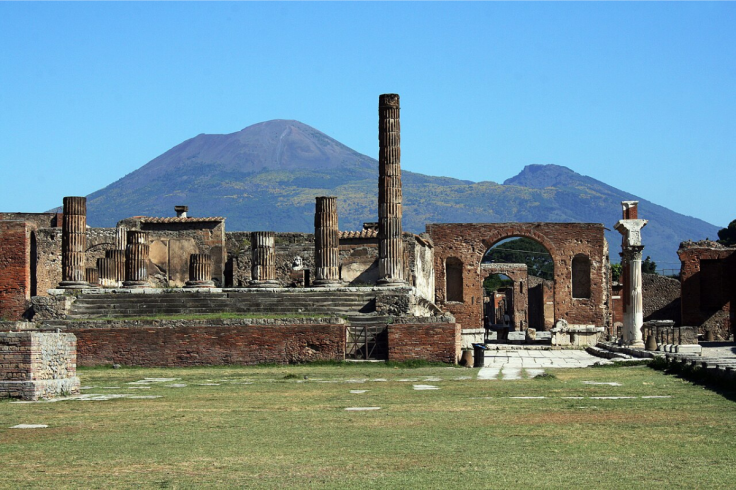
Nearly 2,000 years after Mount Vesuvius buried it in ash, Pompeii is still surprising the people who study it. A recent Reddit AMA tied to a new documentary has surfaced one detail that continues to catch even history enthusiasts off guard: the ancient Roman city was far more internationally connected than most assume.
The AMA was held to promote 'Pompeii: Out of Time with Tom Hiddleston,' a documentary exploring the site through the actor's own fascination with the ancient world. Archaeologist and National Geographic Explorer Caitie Barrett joined the discussion to answer questions from the public. One question prompted Barrett to discuss a side of Pompeii rarely covered in popular accounts of the city's destruction.
Why Pompeii Was More Internationally Connected Than People Realise
Asked what aspects of Pompeii are most misunderstood by the public, Barrett pointed to a gap in general knowledge about everyday life in the ancient world. She noted that far more attention tends to go towards the elite than to what she called 'the 99%' of ordinary Roman citizens.
Barrett, whose research focuses on interactions between Egypt and the Roman world, said the scale of Pompeii's international ties often takes people by surprise. She explained that Egypt had been linked to the Greek and Roman worlds for over a millennium before it formally became part of the Roman Empire.
That long history left visible traces throughout the city. Barrett noted that Pompeii was home to the Temple of Isis, alongside Egyptian objects and Roman artwork depicting scenes imagined from Egyptian life.
'One of the things that gets me most excited about studying Pompeii is how internationally connected this one town on the Bay of Naples really was,' she said.
Comment
by u/nationalgeographic from discussion
in AskHistorians
The Story Behind 'Pompeii: Out of Time With Tom Hiddleston'
The documentary series was developed to explore Pompeii through Hiddleston's long-standing personal interest in classical history and archaeology. Rather than presenting a conventional overview of the eruption, the series follows the actor as he examines what everyday existence looked like for the people who lived there.
Hiddleston said the inspiration for the documentary dates back to a 1998 trip to Italy with two of his friends, when they visited the ancient ruins of Pompeii and Herculaneum. The Marvel star was only 17 at the time. Seeing the remarkably preserved cities and the plaster casts of Vesuvius' victims left a lasting impression, giving him a powerful glimpse into both daily life and the devastation caused by the eruption.
'I felt the 2,000 years between me and the inhabitants of Pompeii compress,' he told the Hollywood Reporter in an exclusive interview.
The project blends expert insight with Hiddleston's own curiosity, aiming to bring fresh attention to a site that remains one of the most studied in the ancient world. The producers say the series aims to revisit Pompeii through both scholarship and personal reflection.
What Really Happened to Pompeii When Mount Vesuvius Erupted
Pompeii's fate was sealed in AD 79, when Mount Vesuvius erupted and buried the city under a thick layer of ash and volcanic debris. The eruption began at around 1pm, sending a towering column of ash and pumice about 20 kilometres into the sky. Over the next 17 hours, falling volcanic debris buried Pompeii beneath up to 19 feet of material. The following morning, a deadly pyroclastic flow swept through the city, killing anyone who had survived the initial eruption.
The eruption preserved much of Pompeii in remarkable detail, effectively freezing daily life at the exact moment disaster struck. Buildings, artwork, household objects and even the forms of victims were preserved beneath the volcanic material for centuries.
The city remained largely forgotten until systematic excavations began in the 18th century, gradually revealing the scale of what had been buried. Today, Pompeii stands as one of the most complete surviving records of Roman urban life, offering historians insight into a society far more complex than its ruins might initially suggest.
© Copyright IBTimes 2026. All rights reserved.