Pope Leo XIV Warns AI Could Create 'New Forms of Slavery' in His Landmark Manifesto
Pope Leo XIV's Encyclical Urges Ethical AI Use to Prevent New Forms of Slavery
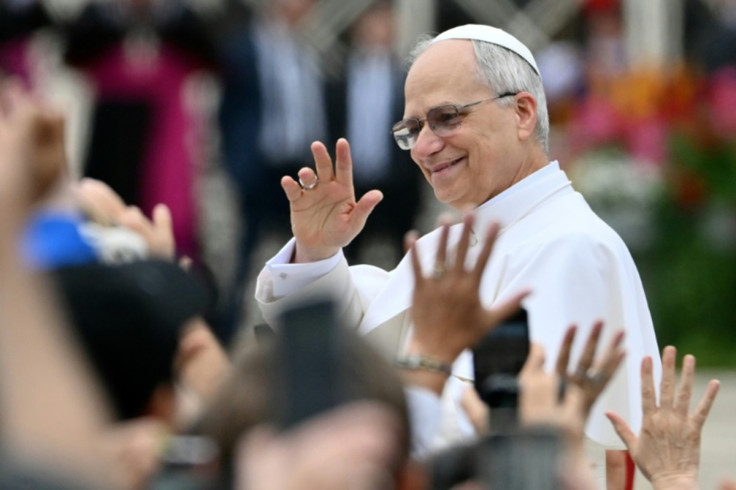
Pope Leo XIV has issued one of the most forceful papal interventions on modern technology to date, warning that unchecked artificial intelligence (AI) could usher in 'new forms of slavery' and deepen global inequality.
In his first major encyclical, Magnifica Humanitas ('Magnificent Humanity'), presented at the Vatican, the pontiff called for the 'disarming' of AI – urging the world to slow down what he described as an accelerating race for power, profit, and geopolitical dominance.
'Disarming AI' – A Call to Rethink the Tech Race
In his manifesto, Pope Leo argued that AI must be freed from what he called 'armed competition' as corporations and governments seek dominance through ever more powerful algorithms and massive datasets.
Pope Leo XIV's manifesto on AI references a range of cultural giants, from Greek philosopher Plato to Beethoven, and even cites a character from JRR Tolkien's "The Lord of the Rings"https://t.co/jORHqoAPj3 pic.twitter.com/GlumyghBIQ
— AFP News Agency (@AFP) May 25, 2026
'To disarm does not mean rejecting technology', he wrote, 'but preventing it from dominating humanity'.
The encyclical warns that AI's rapid expansion, projected by the United Nations to reach a $4.8 trillion (£3.56 trillion) global market by 2033, risks concentrating wealth and power in the hands of a small elite while excluding vulnerable communities.
He added that AI should be 'human friendly' and accessible to all.
Hidden Human Cost of AI
Pope Leo said that AI is not magical, stressing that every seamless digital response is built on human effort, adding that the technology can create 'new forms of slavery' through exploitative labour, data extraction, and systems that reduce human dignity in the pursuit of efficiency and profit.
He pointed to content moderators exposed to disturbing material and workers involved in extracting rare earth minerals, often in unsafe conditions, as part of a global supply chain that remains largely unseen.
These groups, he warned, risk being 'scarred, injured and worn down so that computational flow may continue uninterruptedly', raising urgent ethical questions about exploitation in the digital age.
The encyclical also includes an unprecedented apology for the Church's historical role in slavery, framing today's technological risks as part of a longer moral continuum.
AI, War, and the Question of Moral Machines
The pope also took aim at the militarisation of AI, warning that lethal autonomous weapons should never be entrusted with life-and-death decisions. He declared that 'no algorithm can make war morally acceptable', calling the traditional 'just war' theory outdated in the age of machine-driven conflict.
'The use of force, violence and weapons reflects a relational poverty that always has disastrous consequences for civilian populations', he said.
The statement adds a theological dimension to ongoing global debates about autonomous weapons, surveillance systems, and the ethics of AI in warfare.
Pope Leo said AI must be 'freed from logics that turn it into an instrument of domination, exclusion and death'.
Industry Voices Welcome Dialogue Amid Tensions
At the Vatican presentation, AI researcher Christopher Olah of Anthropic said the technology industry operates under pressures that can conflict with ethical decision-making, but welcomed external voices, including religious institutions, to help shape its trajectory.
'The questions raised by AI are bigger than the AI research community', he said, emphasising the need for broader societal input, AFP reported.
In preparing the manifesto, Pope Leo said he talked with scientists, engineers, political leaders, parents and teachers, where he heard 'very troubling voices' as well as the silence of those who have no voice.'
Leo said that with the cooperation of everyone in the society, 'we can discern the major questions of our time, and so, the future of humanity.'
© Copyright IBTimes 2026. All rights reserved.
- Recommended For You