Mike Johnson Says Pope Leo 'Had It Coming' as He Defends Trump and Vance Amid Escalating Religious Row
Mike Johnson defends Trump and Vance amid escalating feud with Pope Leo XIV over war and religious authority.

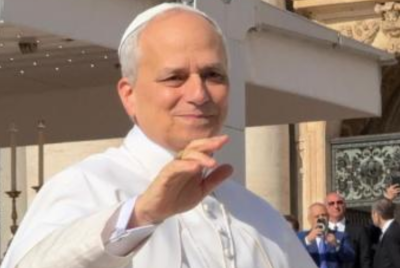
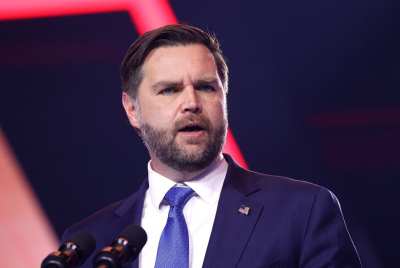
A bitter political and religious clash has erupted after US House Speaker Mike Johnson publicly defended Donald Trump and JD Vance amid their escalating feud with Pope Leo XIV. What began as sharp criticism of the pontiff has now widened into a fraught confrontation over war, morality and religious authority, drawing in millions of American Catholics and sharpening divisions within the Republican Party.
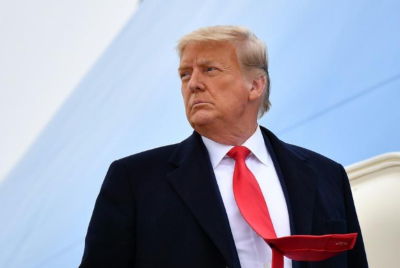
The controversy centres on Trump's attacks on the pope, whom he described as 'weak' on crime and 'terrible' on foreign policy, alongside a broader dispute over US conduct abroad and the role of religious leaders in political life. Johnson's intervention has intensified scrutiny of how political figures engage with faith institutions, particularly as tensions rise over US foreign policy.
The dispute has also exposed fractures within the Republican Party and among American Catholics, who number more than 50 million nationwide.
Johnson Defends Trump And Vance Amid Papal Criticism
Mike Johnson made his remarks in response to a question, addressing Donald Trump's public attacks on the pope. The Speaker stressed that while he generally avoids criticising religious leaders, those who enter political debates should expect political responses.
'I'm not one to criticise clerics and religious leaders,' Johnson said. 'A religious leader can say anything they want, but obviously if you wade into political waters, you should expect some political response, and I think the pope has received some of that.'
He added that he was 'taken a bit aback' by the pope's reported remarks suggesting that Jesus does not hear the prayers of those who wage war, before invoking the concept of the 'just war' doctrine.
The comments were widely interpreted as a defence of Trump and JD Vance, both of whom have pushed back against the pope's criticisms, while also signalling Johnson's alignment with the administration's broader stance on foreign policy and security.
House Speaker Mike Johnson FIRES BACK at Pope Leo after his recent back-and-forth with President Trump and comments condemning the war in Iran:
— Fox News (@FoxNews) April 15, 2026
"Any religious leader can say anything they want, but obviously, if you wade into political waters, I think you should expect some… pic.twitter.com/WOYcbr8q27
Trump's Attacks And Controversial Imagery Spark Outrage
Trump's criticism of the pope has drawn backlash across political and religious lines, including from members of his own party. President Trump intensified the row by posting an AI-generated image depicting himself as Jesus Christ healing a sick person, which triggered widespread condemnation before it was deleted.
Trump later claimed that the image portrayed him as a doctor rather than a religious figure. The explanation failed to quell criticism, with religious leaders and commentators warning that such imagery risked trivialising core elements of Christian belief.
The episode has become a flashpoint in the broader dispute, highlighting concerns about political rhetoric intersecting with deeply held religious values. Analysts note that the controversy reflects a growing willingness among some political figures to challenge religious authority when it conflicts with policy positions.
'Just War' Doctrine At Centre Of Ideological Clash
At the heart of the dispute lies a fundamental disagreement over the morality of war, particularly in relation to Iran. Johnson and Vance have both invoked the concept of 'just war', a theological framework historically associated with Saint Augustine, to defend US actions.
Johnson argued that the administration's approach could ultimately save lives by weakening hostile regimes. 'That means that potentially millions of innocent people will be able to keep their lives and not be killed by terrorists,' he said, drawing applause from Republican colleagues.
The pope, by contrast, has criticised the war and warned against invoking divine justification for violence. In remarks cited by Vatican observers, he suggested that God 'does not listen to the prayers of those who wage war', underscoring a stark theological divide.
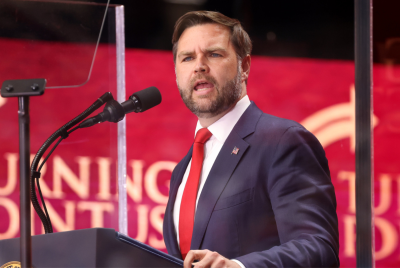
Vance, a Catholic convert, echoed Johnson's position during a Turning Point USA event, questioning whether it is valid to claim that God is never on the side of those who use force. He referenced historical examples such as the Allied liberation of Europe during the Second World War to support his argument.
Growing Rift Between US Conservatives And Catholic Leadership
The dispute marks a significant moment in the evolving relationship between American conservative politics and the Catholic Church. While many US Republicans identify as Christian, disagreements over immigration, war and social policy have increasingly placed them at odds with Vatican positions.
Johnson sought to temper the conflict by emphasising respect for the papacy, while maintaining that such issues are open to debate. 'I don't want to engage in a theological debate with the pope,' he said. 'I certainly respect the pope. I would just say that these are matters that people of good faith and good sense can think through and debate.'
Nevertheless, the tone of the exchange has raised concerns among religious scholars and political strategists, who warn that continued escalation could alienate faith-based voters. The involvement of senior political figures has further elevated what might otherwise have remained a theological disagreement into a global political issue.
As the row continues, it underscores the delicate balance between faith and governance in modern democracies, particularly when moral authority and political power collide.
The intensifying clash between Washington's political leadership and the Catholic hierarchy shows no sign of abating, as both sides dig in over questions of war, morality and influence.
© Copyright IBTimes 2026. All rights reserved.
- Recommended For You