

Qatar LNG Halt Triggers 70% Spike in European Gas Prices as Energy Security Concerns Rise
Iran's attacks on Qatar's LNG facilities lead to significant market disruptions

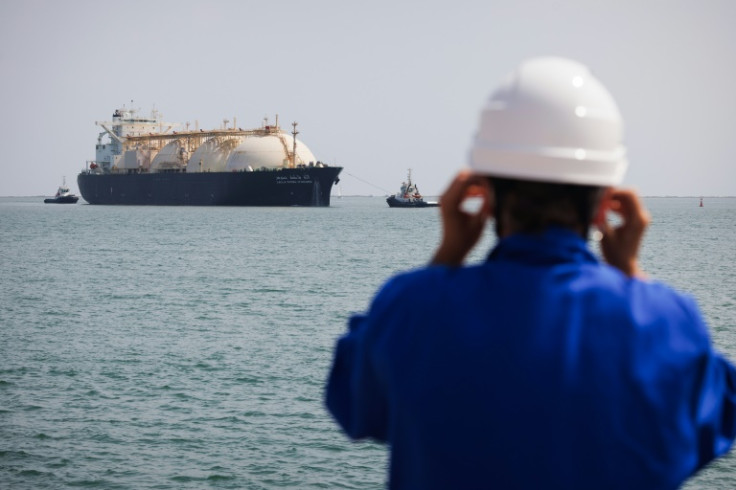
European natural gas prices have undergone a violent repricing, with benchmark Dutch TTF futures surging 70% since the close of trading on Friday, 27 February 2026.
The market turmoil was ignited by an official announcement from QatarEnergy confirming a total suspension of liquefied natural gas (LNG) production. The state-owned giant cited 'military attacks' on its primary operational hubs in Ras Laffan Industrial City and Mesaieed Industrial City as the cause for the shutdown.
On Monday, 2 March, prices skyrocketed by over 50% intraday before settling with a 39% gain; however, subsequent trading on Tuesday and Wednesday saw prices peak above €60 per megawatt-hour (MWh), nearly double the previous week's levels.
Qatar's Sudden Exit
While Qatar is the world's second-largest LNG exporter, the impact of its production halt is amplified by the 'de facto' closure of the Strait of Hormuz. With the Islamic Revolutionary Guard Corps (IRGC) declaring the waterway restricted, approximately 20% of the global LNG supply is currently stranded, leaving European and Asian buyers in a desperate bidding war for remaining spot cargoes.
In a statement, QatarEnergy said: 'Due to military attacks on QatarEnergy's operating facilities in Ras Laffan Industrial City and Mesaieed Industrial City in the State of Qatar, QatarEnergy has ceased production of liquefied natural gas (LNG) and associated products.'
With one of the world's largest LNG exporters sidelined, concerns have intensified in both Europe and Asia over securing supply for the remainder of the winter season.
Storage Levels Add To The Pressure
The timing compounds the risk. According to data from Gas Infrastructure Europe, EU gas storage facilities were only about 30% full as of 1 March, the lowest level for this time of year in several years. Germany and the Netherlands are in even more constrained territory, with German storage at 20.6% and Dutch facilities at a mere 10.7%.
This winter, storage sites have been drained at the fastest pace in five years, driven by below-average temperatures that lifted heating and power demand. Although the official heating season ends on 31 March, Europe must now secure substantial LNG imports during spring and summer to rebuild reserves before next winter.
Hormuz Risk Amplifies Market Anxiety
Complicating matters further, roughly 20% of global LNG trade transits the Strait of Hormuz, which is currently described as de facto closed amid rising regional tensions.
Any prolonged disruption to shipping routes could intensify competition for available cargoes and sustain elevated price volatility. With Qatar's output halted and key transit routes under strain, Europe and Asia are expected to compete more aggressively for remaining LNG supplies.
A Renewed Energy Security Test
Europe has spent recent years adjusting its gas supply mix and expanding LNG import capacity. Yet global gas markets remain tightly interconnected. The sudden halt in Qatari production underscores how quickly geopolitical events can reverberate through energy markets and into household bills and industrial costs. For now, traders are closely watching developments in Qatar and the Strait of Hormuz.
A swift restoration of output could ease price pressures. A prolonged outage could extend volatility well beyond the end of winter. The numbers already tell a stark story: 70% in a matter of days. And the heating season has not yet finished.
© Copyright IBTimes 2026. All rights reserved.