

Don't Buy SpaceX on Day One, 'Einstein of Wall Street' Says — Here's the Catch
SpaceX's unprecedented IPO valuation raises concerns among seasoned investors, echoing past market frenzies
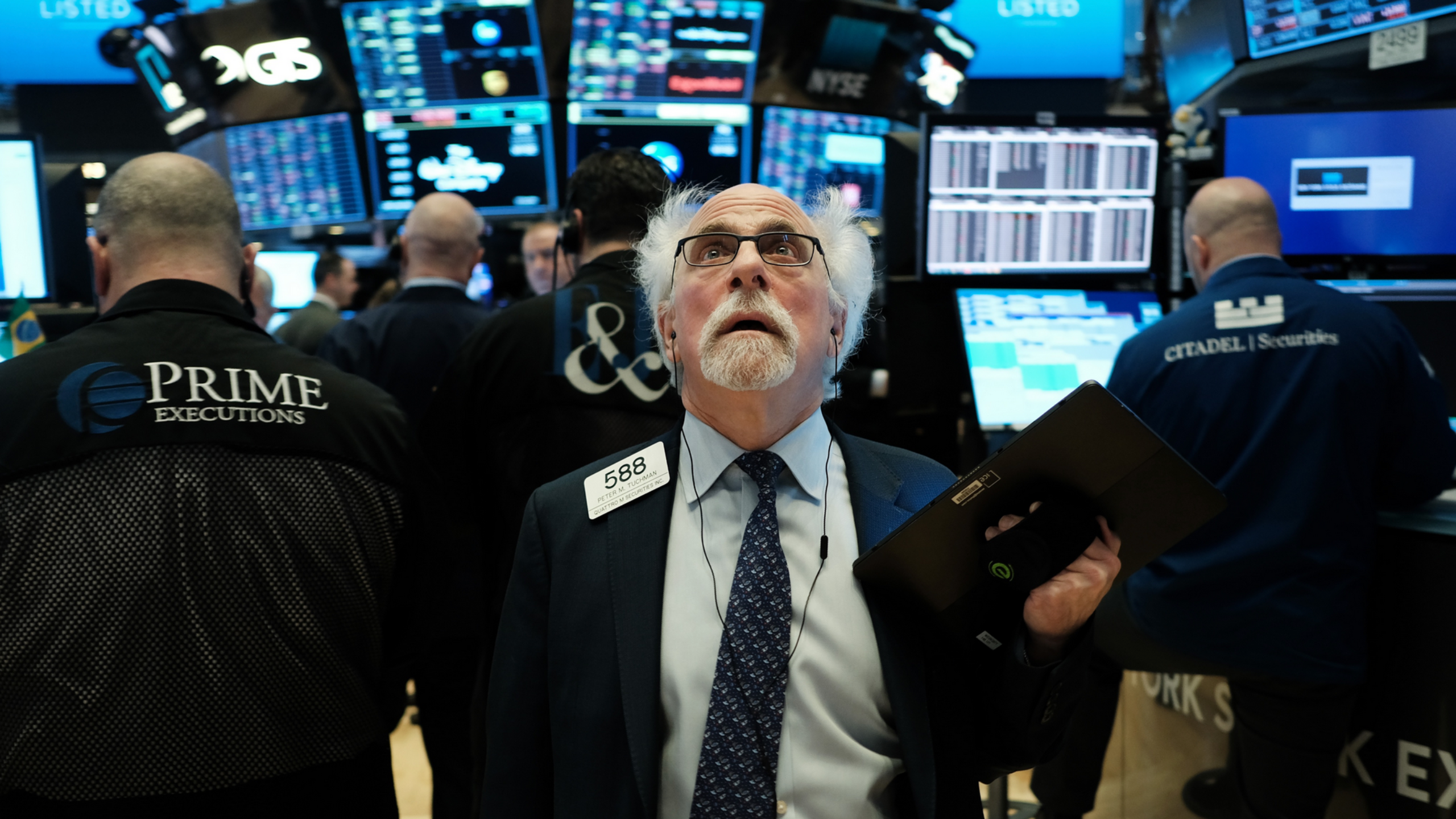
SpaceX lists on Nasdaq on 12 June at $135 (£107) a share, a price that values Elon Musk's rocket and satellite company at $1.75 trillion (£1.38 trillion). It will be the largest IPO in stock market history. And one of the few people on Wall Street old enough to have traded through every major crash since 1987 is telling retail investors to keep their wallets shut on day one.
'I would bet it opens at a thousand,' NYSE floor broker Peter Tuchman said on the School of Hard Knocks podcast. 'Just because there's such a limited supply. So many people want it. It is the flavour of the freaking moment.'
He expects a surge. He is also telling people not to chase it.
'Let it open. Let's see what happens because this is unprecedented,' he said. 'The valuation's unprecedented. The numbers are unprecedented.'
Why Tuchman Calls the Valuation 'Frothy'
SpaceX reported revenue of $18.7 billion (£14.8 billion) in 2025 but posted a net loss of $4.9 billion (£3.9 billion), according to figures compiled by Reuters. At the offering price, SPCX enters the public market at roughly 94 times annual revenue — a multiple with no precedent among the world's most valuable listed companies.
Tuchman, whom photographers and journalists have nicknamed the 'Einstein of Wall Street' for his silver hair and four decades on the trading floor, put it more colourfully. 'It's a little bit frothy at best,' he said, 'like a really good cappuccino at Starbucks.'
As recently as December 2025, SpaceX's own insider tender priced shares at roughly $421 (£333) apiece before a five-for-one stock split in May, implying a valuation of about $800 billion (£632 billion). The IPO more than doubles that figure inside six months.
No Competitor Left Standing
The timing of the listing carries its own subplot. On 28 May, Blue Origin's New Glenn rocket exploded during a static fire test at Cape Canaveral, destroying the vehicle and severely damaging its only operational launchpad, Spaceflight Now confirmed.
'The only other big space company just got decimated,' Tuchman said. 'Not only did it blow up the rocket, but it blew up the landing pad. And it takes a year and change to do that.' That leaves SpaceX without a serious orbital-class rival heading into public markets.
MARKET UPDATE 📉 The S&P 500 has lost around $1.5 trillion in market cap over the past week, with all eyes on the SpaceX IPO coming this Friday 👀
— Peter Tuchman (@EinsteinoWallSt) June 9, 2026
This is set to be the biggest IPO in history
What the heck is going on?! Let's talk about it 🗣️ pic.twitter.com/WL7BN9lVx5
The offering also carries unusual lockup provisions. Tuchman said Musk has rewritten the standard rules on when insiders can sell. 'Most people are not going to be able to sell their stock until he's ready to let them sell the stock,' he said. Certain allocations reportedly require the shares to trade at a 30% premium to the IPO price before holders can exit, deliberately constraining the available float.
The GameStop Lesson He Wants Investors to Remember
Tuchman drew a direct line to the meme stock frenzy that swept markets after COVID-19. GameStop ran from $2 (£1.58) to $483 (£382) and collapsed back to single digits. The bulk of retail buying came at the top. He tracked those meme stocks closely on the floor and said many of the investors who bought in at peak prices are still holding.
'There are traders who still own GameStop at $483,' he said. He sees echoes of that dynamic in the excitement building around SPCX.
'It could go to 2,000, and it could go to 50,' he said. 'I would rather wait and see and then reanalyse it. If it's going to go higher, I will have a chance to do it. I may not pay bottom dollar, but I will be able to buy it, and it'll probably go higher, but I just need to know that I made the right decision.'
He added, 'You don't want to catch a falling knife. You want to buy into the momentum.' Pricing is set after market close on 11 June. The first trade prints the following morning.
Disclaimer: Our digital media content is for informational purposes only and does not constitute investment advice. Please conduct your own analysis or seek professional advice before investing. Remember, investments are subject to market risks, and past performance does not guarantee future returns.
© Copyright IBTimes 2026. All rights reserved.