

Elon Musk Could Become the World's First Trillionaire — But Just How Big is $1 Trillion, Really?
SpaceX's IPO could propel Musk's net worth past $1 trillion, setting a historic financial milestone
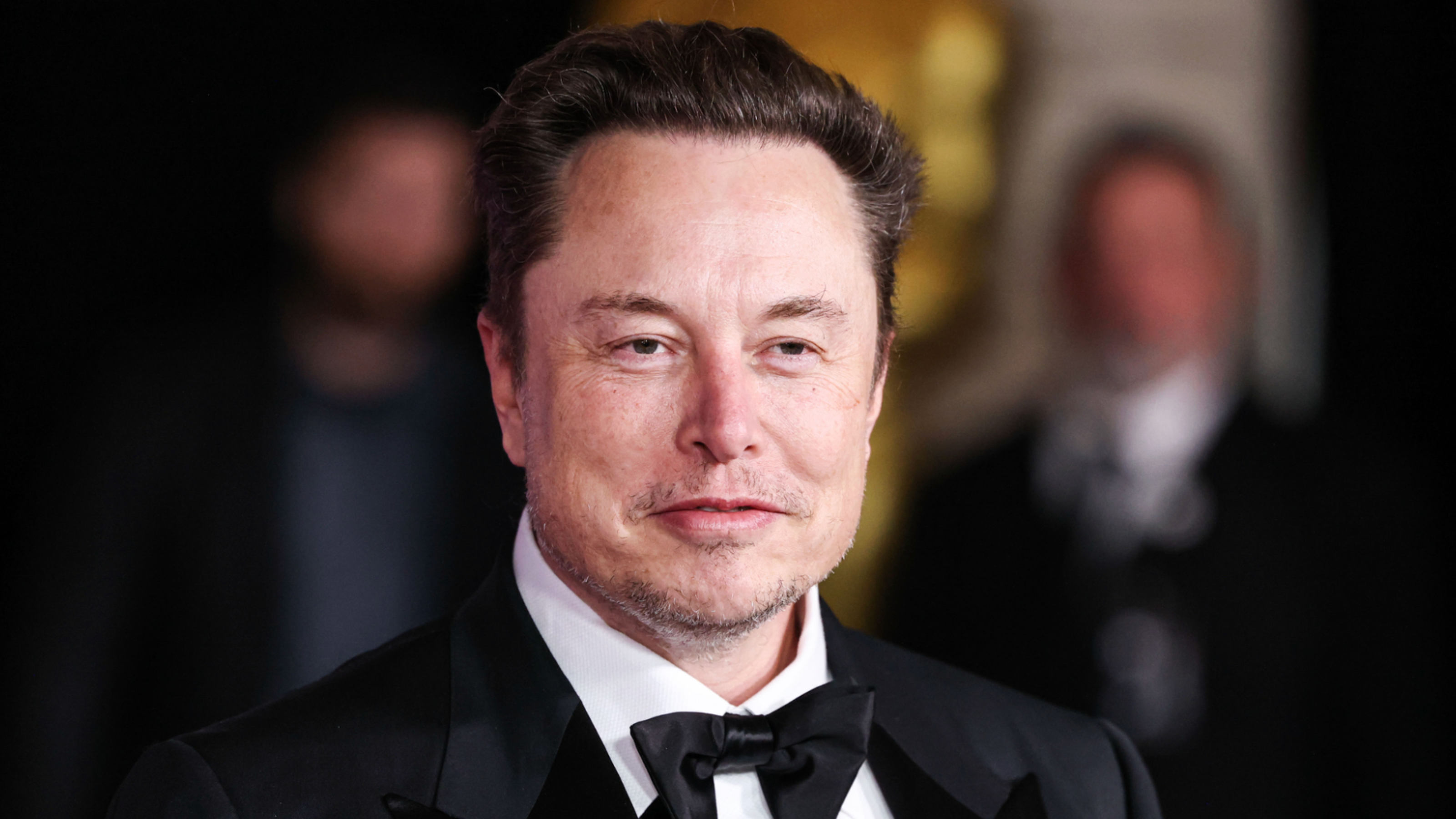
Elon Musk is days away from potentially becoming the first person in history to hold a net worth exceeding $1 trillion (£793 billion), with his rocket and artificial intelligence company SpaceX set to begin trading on the Nasdaq on 12 June under the ticker symbol SPCX.
The company priced its initial public offering at $135 per share and plans to sell 555.6 million shares, raising approximately $75 billion (£59.5 billion), CNBC noted. That would make it the largest IPO in history, nearly three times the $25.6 billion (£20.3 billion) raised by Saudi Aramco in 2019. Goldman Sachs is leading the offering, with Morgan Stanley, Bank of America, Citigroup and JPMorgan Chase also underwriting the deal.
SpaceX is the only company building the infrastructure of the future across space, connectivity, and AI → https://t.co/PSCyWrNsOg pic.twitter.com/d1zBY7Hx7u
— SpaceX (@SpaceX) June 4, 2026
At the $135 share price, SpaceX carries a valuation of $1.77 trillion (£1.4 trillion). Musk's stake in the company alone would be worth roughly $866 billion (£687 billion), according to CNBC. Combined with his Tesla holdings, his total wealth from just two public companies would cross $1.1 trillion (£873 billion).
The Bloomberg Billionaires Index calculated that at the $135 IPO price, Musk's net worth would land at $988 billion (£784 billion), just short of the threshold. Forbes currently puts the figure at $826 billion (£655 billion). For scale, Google co-founder Larry Page, the world's second-richest person, trails at just under $300 billion (£238 billion).
SpaceX was founded in 2002 and spent nearly a quarter of a century as a private company. Earlier this year it absorbed Musk's social media platform X and his artificial intelligence firm xAI, bundling rockets, satellites, social media and AI under one corporate roof ahead of the listing.
Putting $1 Trillion (£793 Billion) Into Perspective
One trillion dollars is one million million. The human brain was not built to process a sum that large, so concrete comparisons help.
A worker earning the UK median full-time salary of £37,430 ($47,200) per year, according to the Office for National Statistics, would need to keep working for more than 21 million years to accumulate that amount. The human species has existed for roughly five to seven million years.
Spending $1 million (£793,000) every single day without stopping, it would take approximately 2,740 years to burn through $1 trillion. That clock would have started ticking around the time the ancient Assyrian empire dominated Mesopotamia. There would still be money left today.
The Department of Health and Social Care budget for England stands at £217 billion ($274 billion) for 2025/26, according to the Health Foundation. One trillion dollars would fund the entire system for roughly three and a half years.
Only about 20 countries on Earth produce an annual GDP exceeding $1 trillion, according to International Monetary Fund data. Musk's projected fortune would rival or exceed the entire yearly economic output of all but those few nations.
Real Madrid, the world's most valuable football club at $9.5 billion (£7.5 billion) per Forbes' 2026 ranking, would need to be purchased more than 105 times over to reach that figure.
SpaceX Is Growing but Still Losing Billions
Musk's fortune is paper wealth, not cash in a bank. Every dollar of it depends on how investors value his companies going forward, and those valuations can shift fast. Tesla shares, for example, swung by more than 50 per cent within 2025 alone.
SpaceX's S-1 prospectus, filed with the Securities and Exchange Commission in May, showed the company posted a net loss of $4.9 billion (£3.9 billion) on revenue of $18.7 billion (£14.8 billion) in 2025, Fortune found.
Revenue jumped 33 per cent from $14 billion (£11.1 billion) in 2024, but the losses were driven largely by the integration of xAI. Starlink, the satellite internet division, generated $11.4 billion (£9 billion) in connectivity revenue and remains the operation's primary profit engine.
Musk will retain more than 82 per cent of voting control after the listing, giving him near-total authority over SpaceX's strategic direction despite selling shares to the public.
Whether his fortune ultimately crosses the trillion-dollar line depends on how public markets price SpaceX in its opening days of trading. If shares climb above the $135 offer price, the milestone could arrive on day one.
© Copyright IBTimes 2026. All rights reserved.