

'Who Was Protecting Them?': Brand's Conviction and David Walliams' Allegations Put UK Entertainment Under Fire
Women describe fears of losing work, while broadcasters face pressure to strengthen protections for freelancers
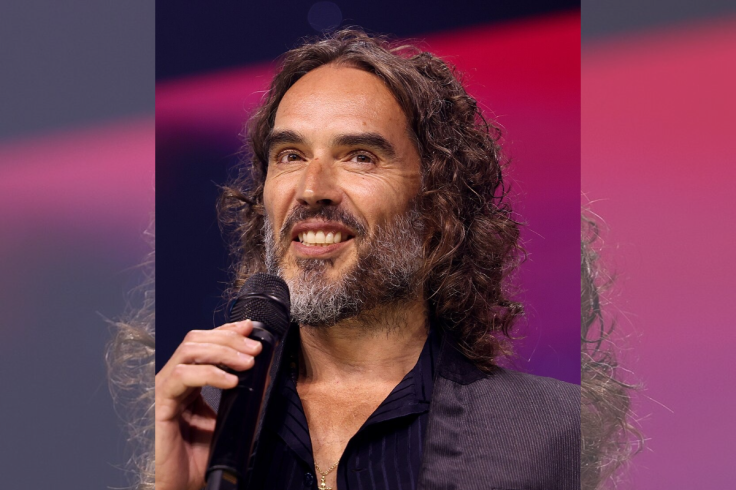
Russell Brand's 10-and-a-half-year prison sentence and allegations against David Walliams have intensified scrutiny of Britain's entertainment industry, as women describe career fears. A BBC review examined eight complaints about Brand, but only one was formally made to the corporation. That 2007 complaint was not handled effectively.
Three of Brand's four victims worked in media. He was convicted at Southwark Crown Court on 5 November of one count of rape and three counts of sexual assault involving four women between 2004 and 2009. He was sentenced on 9 November.
Women Feared Speaking Out
Some victims said they feared they would not be believed or could lose work because of Brand's celebrity status. The BBC review found colleagues felt unable to raise concerns, believing he would always get his way. Channel 4 also apologised after a complaint about Brand was not escalated to senior management.
Comedian Lucy Beaumont helped media organisations investigate allegations concerning Walliams. She said she feared losing work herself: 'No one wants to mess that up'.
Multiple women allege Walliams used his status to pursue them as teenagers or young women. One woman described an alleged encounter when she was 15 as sexual assault. Walliams denies all allegations, saying he did not abuse his position or break the law.
Police Investigation and Legal Pressure
The Metropolitan Police announced on 13 November that it was investigating separate allegations of non-recent serious sexual offences involving a man in his 50s, identified in reports as Walliams. The force said these were separate from allegations reported by ITV News and the Guardian, but detectives were reviewing that reporting. No arrest had been announced on 13 November.
Walliams unsuccessfully sought a High Court injunction against ITV News and the Guardian, arguing that publication would expose him to a serious risk of suicide. The judge accepted that publication would materially increase a genuine and grave risk but refused the injunction, finding no proper legal basis for the restraint and giving substantial weight to freedom of expression and the public interest. The proceedings did not determine whether the allegations were true.
Beaumont said a woman who met Walliams signed an NDA barring her from discussing the alleged encounter with friends, family or a therapist.
Nandy Presses Entertainment Leaders
Culture Secretary Lisa Nandy met representatives from the BBC, Sky, Channel 4, Netflix, HarperCollins, the Football Association and BAFTA on 16 November. She asked how organisations would challenge bullying, empower whistleblowers and protect freelancers.
Bectu head Philippa Childs said broadcasters recognised they needed to do better and had signed up to the Creative Industries Independent Standards Authority (CIISA). She warned freelancers feared blacklisting. Bectu wants NDA protections extended to freelancers and CIISA funded through mandatory industry contributions.
Can the Industry Change?
CIISA offers workers across the creative industries a confidential route to raise concerns. It can identify patterns of harmful behaviour across the sector, rather than investigate individual cases.
Nandy urged the industry to 'get its house in order' or face a government crackdown. Ministers are considering stronger protections around non-disclosure agreements and whether participation in industry standards should become compulsory. No such requirement has been introduced.
© Copyright IBTimes 2026. All rights reserved.