Social Security COLA 2027 Prediction Hits Highest Forecast Since 2022 — What It Means for Retirees
The broad US consumer price index in April rose 3.8% over the past 12 months

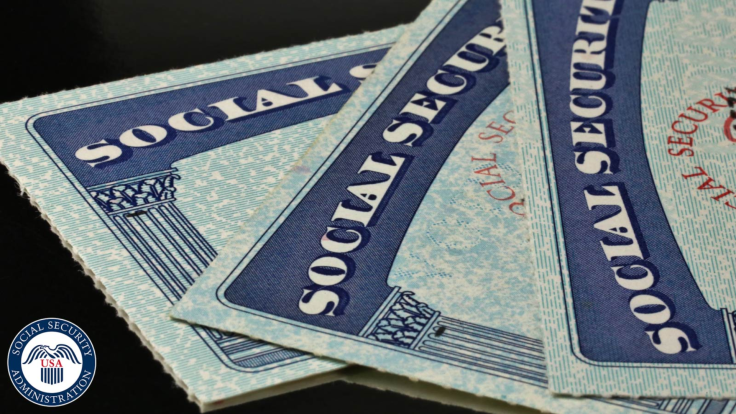
The Social Security Administration (SSA) could issue a 4.2% cost-of-living adjustment for 2027 as the broad consumer price index in April rose 3.8% over the past 12 months, which is the highest jump since May 2023, and higher than the 3.3% in March. The Middle East conflict continues to drive gasoline, energy, and fresh produce prices, Social Security and Medicare Policy expert Mary Johnson recently told a media outlet.
Johnson had predicted a mere 1.2% COLA increase for 2027 before the Middle East conflict broke out in late February. On her revised 4.2% prediction, she said, 'this represents the highest rate of inflation since 2022 and a potentially significant erosion in many consumers' standard of living.'
Furthermore, the US Consumer Price Index for Urban Wage Earners and Clerical Workers (CPI-W), which is used to calculate Social Security COLA, rose 3.9% over the past 12 months, according to April data.
Annual COLA adjustments are designed to help more than 70 million Social Security beneficiaries retain their purchasing power amid rising inflation. However, Social Security benefits have lost 13.7% of purchasing power since 2016, the Senior Citizens League estimated, and would require a 15.7% boost, or $295.85 per month, for the average beneficiary to catch up. It could mean that the COLA adjustments haven't been able to keep up with inflation for a decade. The league expects 2027 COLA of 3.9%, which would result in the average benefit check for retirees increasing by $81.17 per month.
In 2026, Social Security COLA was 2.8%, higher than the 2.5% in 2025, but lower than the 3.2% in 2024, 8.7% in 2023, and 5.9% in 2022. This makes the current COLA projection for 2027 the highest in four years.
COLA Adjustments Impact Households Across the US
The Social Security Administration had estimated in 2025 that the monthly Social Security income for those aged 65 or older represents 30% of their earnings. Moreover, these benefits account for 50% of the monthly income for 42% of women receiving benefits and 90% of the income for 12% of men.
'The fact is that inflation hits seniors differently than the rest of the population for two main reasons: Their income doesn't grow like the rest of the population's does, and their budgets look different,' according to the Senior Citizens League executive director Shannon Benton.
The agency calculates the COLA annually by comparing Q3 CPI-W data with the corresponding quarter a year earlier, and the adjustment is typically announced on 15th October, coinciding with the release of the September Consumer Price Index data by the US Labor Department.
Even if 2027 COLA surpasses 4%, the Senior Citizens League had warned that fast-rising Medicare, housing, utility, and grocery prices could void that monthly Social Security benefit hike. The group highlighted that seniors are struggling financially, with 57% reportedly skipping medical products or services in the past year due to rising costs.
Retirees, especially on fixed incomes, are also facing a cash crunch as essential expenses, including insurance, continue to rise faster than overall inflation, according to Benton.
'In volatile periods like this, especially when driven by sudden geopolitical events, the lag can significantly erode purchasing power and highlight the disconnect between lived expenses and the formula used to adjust benefits,' Benton had told the Money.com earlier.
Disclaimer: Our digital media content is for informational purposes only and does not constitute investment advice. Please conduct your own analysis or seek professional advice before investing. Remember, investments are subject to market risks, and past performance does not guarantee future returns.
© Copyright IBTimes 2026. All rights reserved.
- Recommended For You