

Britain's Heatwave May Be Ending, but the Cost of the Dry Spell Is Just Beginning
Climate scientists say human-induced warming is increasing heatwaves and dry spells across the UK
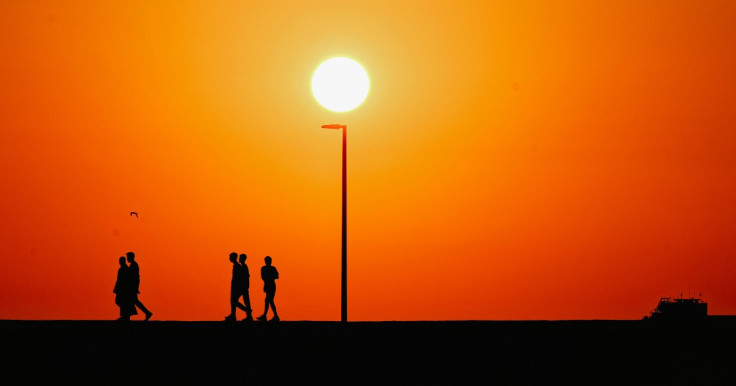
England's longest dry spell in nearly three decades is showing little sign of ending, even as cooler temperatures replace Britain's latest heatwave. Forecasters say the continuing lack of rainfall, rather than the falling temperatures, is becoming the bigger concern as pressure grows on water resources and agriculture.
Cooler northerly winds are expected to lower temperatures across eastern England and Scotland this week, bringing relief after a prolonged spell of hot weather. However, forecasters say much of England is unlikely to receive the sustained rainfall needed to replenish parched ground, with many inland areas expected to remain dry for several more days.
Why the Dry Spell Could Outlast the Heatwave
The UK's third heatwave of 2026 is beginning to ease as high pressure shifts west of Britain, allowing cooler air to move south across the country.
The largest temperature drops are expected in eastern England and Scotland, where daytime highs could be around 5C lower than last week. Some southern areas, however, may see temperatures climb back towards heatwave thresholds later this week.
While cooler air is expected to bring relief from the recent heatwave across parts of the UK, the Met Office says rainfall will remain limited for many areas, particularly in southern England where dry conditions are expected to persist.
Despite the cooler conditions, rainfall is expected to remain scarce across much of England. According to Sarah Keith-Lucas, the BBC's lead weather presenter, Wisley in Surrey has now gone 31 consecutive days without measurable rain, while large parts of central England are experiencing their longest dry spell since 1997.
North-west Scotland is expected to receive the most rain over the coming week, with up to 30mm forecast, but many inland areas elsewhere could remain completely dry.
Why It Matters Beyond This Week's Forecast
Although there is no immediate evidence of widespread food price increases or water restrictions, prolonged dry weather can reduce crop yields, increase irrigation demand, and place additional pressure on reservoirs if rainfall remains well below average into August. Water companies, farmers, and local authorities will be watching rainfall closely as the summer progresses.
Dry soils can place additional pressure on agriculture, reduce moisture available for crops, and increase demand on local water resources if the pattern continues through the rest of summer. While there are currently no widespread reports of restrictions linked to this latest dry spell, farmers, and water companies will be monitoring conditions closely if rainfall remains well below normal.
Eastern and north-eastern England have received only around half their typical summer rainfall so far this summer, making them among the driest parts of the country.
Scientists Say Extreme Summers Are Becoming More Common
The prolonged dry weather also reflects a broader trend identified by climate scientists. The Met Office's latest State of the UK Climate report says weather once considered extreme is increasingly becoming the 'new normal', with the UK warming by around 0.25C per decade since the 1980s.
Scientists say human-induced climate change is making heatwaves more frequent and more intense, increasing the likelihood of prolonged hot and dry periods during future summers.
For many people, the arrival of cooler weather will offer welcome relief after weeks of high temperatures. But without significant rainfall, forecasters say the dry spell, rather than the heatwave itself, is likely to remain the bigger story in the weeks ahead.
© Copyright IBTimes 2026. All rights reserved.