Why Do People Drown During Heatwaves? Experts Explain After 14-Year-Old Boy Drowned in London
Experts warn that cold water shock can occur even during hot weather
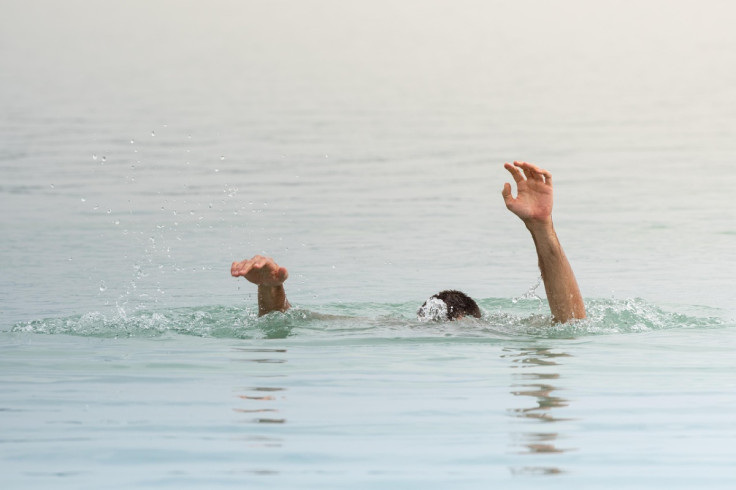
A 14-year-old boy died after entering the water at Millwall Outer Dock in east London during Monday evening's heatwave, prompting renewed warnings from water safety experts about the hidden dangers of swimming in open water.
According to reports, emergency services recovered the teenager's body after a multi-agency search, with police treating the death as unexpected but not suspicious. As the UK experiences warmer temperatures, experts say drownings often rise because hot weather encourages people to enter deceptively cold rivers, docks and lakes.
Open Water Dangers During Heatwaves
According to reports, emergency services were called to Millwall Outer Dock near East Ferry Road on the Isle of Dogs shortly before 7pm BST on 3 August after reports that a teenager had entered the water and failed to resurface.
The Metropolitan Police, London Fire Brigade and London Ambulance Service launched a large-scale search and recovered the boy's body at around 10.30pm. He was pronounced dead at the scene.

However, police said the death is not being treated as suspicious.
Some reports identified the teenager as Banta Sillah, a talented young footballer who had recently helped his local team win a cup competition. He was reportedly among a group who entered the dock to cool down during the hot weather.
For now, the dock is marked as a no-swimming zone. Following the incident, emergency services urged the public to use only designated swimming locations and encouraged parents to discuss water safety with young people while high temperatures continue.
The tragedy comes amid a series of fatal open-water incidents reported across the UK during this summer's heatwaves.
Why Heatwaves Increase the Risk of Drowning
Water safety specialists say one of the biggest misconceptions is that warm air means warm water.
Professor Mike Tipton, a leading expert in cold-water physiology, has repeatedly warned that rivers, lakes, docks and coastal waters remain dangerously cold even when air temperatures climb above 25C or 30C.
Sudden immersion can trigger cold water shock, causing an involuntary gasp, rapid breathing, panic and a temporary loss of control. In some cases, the sudden change in temperature can place severe strain on the heart, increasing the risk of cardiac problems.
Experts say even confident swimmers can quickly become overwhelmed.
Hot weather also changes people's behaviour. Teenagers and young adults are more likely to seek relief by entering nearby rivers, docks or reservoirs, particularly if they are with friends. Authorities say peer pressure, overconfidence and unfamiliarity with open water all contribute to the increased risk.
Heat can also be a factor. Dehydration, fatigue and dizziness reduce physical performance, while jumping into cold water when overheated can intensify thermal shock.
Experts Urge People To Avoid Risky Swimming Spots
Research from UK water safety organisations has consistently shown that accidental drowning deaths rise sharply during hot weather. Studies suggest the risk can be three to five times higher when temperatures exceed 25C, with teenage boys and young men accounting for the majority of fatalities.
Authorities advise people to swim only at designated locations with lifeguards, enter water gradually rather than jumping in, avoid alcohol before swimming and supervise children closely around open water.
Anyone witnessing someone in difficulty should call 999 immediately and avoid entering the water unless they have appropriate rescue training.
The East London tragedy has renewed calls for greater awareness of cold-water shock, with emergency services stressing that even experienced swimmers can underestimate the dangers of open water during heatwaves.
© Copyright IBTimes 2026. All rights reserved.
- Recommended For You