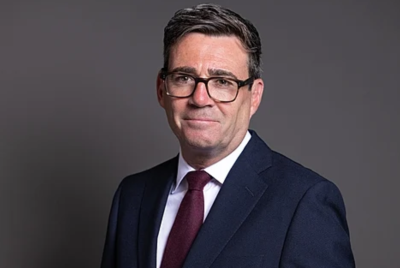
Keir Starmer Caves to US Pressure, Allows Strikes on Iran to Save British Lives
US operates an estimated 750 to 800 military bases in around 80 countries and territories.

UK Prime Minister Keir Starmer confirmed on Sunday that Britain has granted the United States permission to use select UK-linked bases for what he described as 'specific and limited defensive' strikes on Iranian missile sites.
The decision follows escalating regional tensions after joint US-Israeli strikes on 28 February reportedly killed Iran's Supreme Leader, Ali Khamenei. Iran responded with missile and drone attacks across multiple countries in the region. UK officials said British personnel and civilians were among those potentially at risk.
What the UK Has Approved
Starmer, in his statement, said the UK is not taking part in offensive operations but has allowed the US to use certain bases to target Iranian missile storage depots and launchers. According to government statements, the aim is to prevent further launches that could threaten British nationals, UK forces, and allied countries.
UK Prime Minister Keir Starmer says he's accepted a request from the US to let his country's military bases be used for attacks on Iran aimed at stopping retaliatory missile strikes. The UK had originally denied access over fears it violated international law. pic.twitter.com/HAVtZwWx6P
— Al Jazeera English (@AJEnglish) March 2, 2026
The Prime Minister cited the presence of around 200,000 British citizens in the Gulf region and confirmed that UK military assets are focused on defensive intercepts and regional support.
The government also published a legal summary stating that the move complies with international law under the principle of collective self-defence.
The Bases in Question
Two locations have been widely identified in reporting, which are RAF Fairford in Gloucestershire and Diego Garcia in the British Indian Ocean Territory.
RAF Fairford is used for US bomber rotations and has supported previous international operations. Meanwhile, Diego Garcia is a long-standing joint UK-US facility in the Indian Ocean that provides logistics and air support capabilities.
Under existing bilateral agreements, US forces stationed at these facilities operate under American command but require UK consent for certain missions. In this case, the US would conduct operations with its own aircraft and personnel.
The UK would not provide crews or take part in strike planning, according to official statements.
Political Debate at Home
The announcement has evidently brought a wave of criticism from some MPs and commentators who argue that allowing US strikes could draw the UK deeper into a widening conflict.
Questions have been raised about whether Parliament should have been consulted before granting approval. Labour MP from Leeds East, Richard Burgon, wrote on X, 'I am deeply alarmed that British military bases will be used in Trump's bombing of Iran. These attacks violate international law.
He continued, 'The UK government should be focused on de-escalation, diplomacy and a ceasefire - that's the best way of keeping people safe, not following Trump.'
Others have supported the decision, framing it as a measure to protect British lives and fulfil security commitments to allies in the Gulf. Starmer said the government's focus remains on limiting escalation and preventing further regional instability.
However, later on Sunday, the defence ministry confirmed that an RAF took out an Iranian drone flying towards Qatar 'to help defend allies in the Middle East.'
The Broader US Military Network
The move also highlights the scale of the United States' global military footprint. According to reports, the US operates an estimated 750 to 800 military bases in around 80 countries and territories. The largest concentrations are in Japan, Germany, and South Korea, with additional facilities across Europe, the Middle East, and the Asia-Pacific region.
In the UK, roughly a dozen major sites host US personnel under long-standing agreements dating back to the Second World War and NATO arrangements. These bases support intelligence, refuelling, logistics, and air operations.
According to defence experts, this global military network enables rapid response and alliance coordination. Meanwhile, critics argue it increases geopolitical tensions and ties host countries to US-led conflicts.
As far as the UK's stand on recent attacks goes, Iranian retaliation remains a concern across the region, and British officials continue to monitor risks to UK citizens and military personnel.
The government has emphasised that its role is restricted to granting access, not participating in strikes. Whether that distinction will hold in the face of continued escalation is likely to shape political debate in the weeks ahead.
© Copyright IBTimes 2026. All rights reserved.
- MOST POPULAR IN National