UK Leads 30+ Countries in Diplomatic Push to Reopen the Vital Strait of Hormuz
UK rallies global coalition to reopen blocked Strait of Hormuz as US absence forces Europe to take lead on maritime security

More than 30 countries are set to join a UK-led virtual meeting aimed at restoring traffic through the Hormuz Strait, a passage that handles a significant share of the world's oil.
The initiative, convened by Foreign Secretary Yvette Cooper and backed by Prime Minister Keir Starmer, emphasised that they 'will assess all viable diplomatic and political measures we can take to restore freedom of navigation, guarantee the safety of trapped ships and seafarers and to resume the movement of vital commodities.'
The US, notably absent from the meeting, on Thursday has stepped back from its traditional role as guarantor of maritime security in the Gulf. President Donald Trump has been explicit, insisting that securing the waterway is not America's responsibility and telling allies to 'go get your own oil'.
A Waterway Under Threat
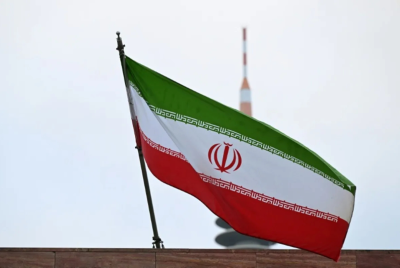
The Strait of Hormuz is vulnerable and exposed. Iranian attacks on commercial shipping, coupled with the threat of further strikes, have effectively paralysed the route linking the Persian Gulf to the wider world.
The consequences have been immediate as oil shipments have been stalled, insurance costs have surged, and prices have climbed. What makes this moment especially precarious is not just the disruption itself, but the method behind it. Iran retains a formidable toolkit in these waters, from anti-ship missiles and drones to fast attack craft and naval mines. Any attempt to force the strait open while hostilities continue would risk a wider confrontation.
That risk has, for now, deterred even the most hawkish voices. No country appears willing to test Tehran militarily while the broader conflict with the US and Israel continues to unfold.
Diplomacy First, Force Later
For all the urgency, Thursday's meeting is best understood as an opening move rather than a solution. Officials expect follow-up discussions at the working level, where the difficult details tend to surface, such as who escorts the ships, their mandate, and how to avoid escalation while projecting enough strength to deter attacks.
Starmer has already hinted at a two-track approach. Military planners from an unspecified group of countries are expected to meet separately to consider how shipping could be secured once fighting subsides. It is a cautious sequencing, suggesting that any robust naval presence will have to wait until the immediate risk of direct confrontation recedes.
In the meantime, a coalition of 35 countries, including the UK, France, Germany, Italy, Canada, Japan, and the United Arab Emirates, has issued a joint statement demanding that Iran cease efforts to block the strait. The same statement pledges to 'contribute to appropriate efforts' to ensure safe passage.
Europe Steps Into The Gap
If there is a defining thread running through this effort, it is Europe's attempt to shoulder a greater share of the burden. The Hormuz initiative echoes earlier efforts by the UK and France to assemble a 'coalition of the willing' in support of Ukraine's long-term security. In both cases, the subtext is clear: Europe is trying to prove it can act, even as American commitment appears less certain.
Trump's renewed suggestion that the US could withdraw from NATO has sharpened that imperative. Yet ambition and capability are not the same. Coordinating dozens of countries with divergent interests, threat perceptions and military capacities is an exercise in compromise. The risk is that consensus produces caution, and caution proves inadequate for the scale of the challenge.
© Copyright IBTimes 2026. All rights reserved.
- Recommended For You