Blasts Rock Iran Industrial Sites as US Weighs Extending High-Stakes Deadline
Pope condemns US rhetoric as strikes hit Iran's industrial and energy infrastructure amid deadline tensions

A wave of coordinated strikes across Iran's industrial and transport infrastructure has intensified global alarm, as Washington weighs extending a volatile deadline that could determine whether the crisis escalates into full-scale conflict. Iranian state media confirmed that key industrial facilities—including the Arak aluminium factory in central Iran and the Amirkabir petrochemical complex in Mahshahr—were hit by airstrikes, marking a significant expansion of targets beyond purely military sites. The attacks come amid mounting pressure on Tehran to respond to sweeping US demands, with the current deadline set by President Donald Trump fast approaching.
At the same time, diplomatic manoeuvres are underway behind the scenes, with Pakistan reportedly proposing a two-week extension to the deadline. The suggestion is now under review in Washington, raising the prospect of a brief reprieve even as tensions on the ground continue to spiral.
Industrial Strikes Signal Escalation in Targeting Strategy
The latest round of explosions suggests a deliberate shift towards crippling Iran's economic backbone. The Arak aluminium facility and Mahshahr's Amirkabir petrochemical complex are both strategically significant, playing vital roles in Iran's domestic production and export capacity.
Further reports indicate that critical infrastructure—including bridges and rail networks—has also been targeted. Israeli warnings urging civilians to avoid train travel underscore the scale and precision of the strikes, pointing to a broader campaign aimed at disrupting logistics and internal mobility.
Explosions were also reported on Kharg Island, Iran's primary oil export terminal. Any sustained damage to this hub could have far-reaching implications for global energy markets, already sensitive to geopolitical instability in the region.
Trump's Stark Warning Raises Stakes
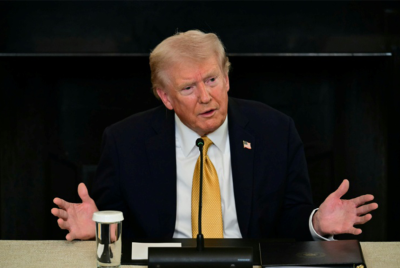
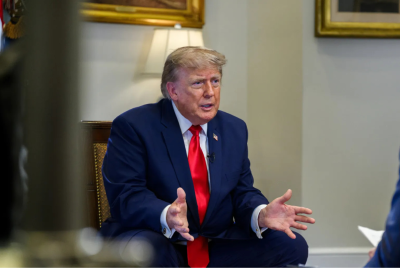
President Trump's rhetoric has added a dramatic and deeply unsettling dimension to the crisis. In a stark statement issued Tuesday, he warned that 'a whole civilization will die tonight, never to be brought back again' if Iran fails to comply with US demands by the set deadline.
'I don't want that to happen, but it probably will,' he added, underscoring the severity of Washington's stance. The remarks have drawn widespread concern from international observers, who fear that such language may further inflame an already volatile situation.
The US administration has not publicly detailed the full scope of its demands, but they are widely understood to include sweeping concessions on Iran's military capabilities and regional activities.
Deadline Extension Under Consideration
Amid the escalating violence, diplomatic efforts appear to be focused on buying time. Pakistan's proposal for a two-week extension has emerged as a potential off-ramp, giving both sides space to negotiate and possibly avert immediate escalation.
Sources familiar with the discussions suggest that Washington is seriously considering the proposal, though no final decision has been announced. Analysts note that an extension could ease immediate pressures but may also be interpreted as a sign of hesitation, potentially emboldening hardliners on all sides.
The coming hours are therefore seen as critical, with the deadline acting as both a catalyst for action and a lever for negotiation.
Iran Signals Retaliation Beyond the Region
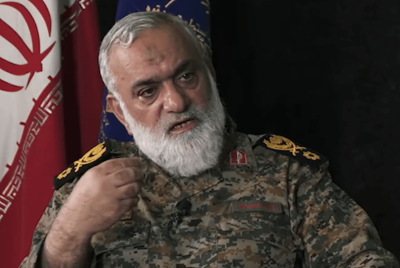
Iran's response has been equally forceful. The Islamic Revolutionary Guard Corps (IRGC) warned that it would target US and allied energy infrastructure in retaliation for the strikes. Crucially, it indicated that any response would not be confined to the Middle East, raising fears of a broader, potentially global confrontation.
Such threats have heightened concerns among energy producers and global markets, particularly given the strategic importance of Gulf shipping lanes and infrastructure.
The possibility of attacks on energy assets outside the immediate conflict zone introduces a new layer of risk, complicating efforts to contain the crisis geographically.
Information Blackout Deepens Uncertainty
Compounding the uncertainty is Iran's ongoing internet blackout, which has now entered its 39th day, according to monitoring group NetBlocks. The shutdown has effectively cut off most Iranian citizens from the global internet, severely limiting the flow of information from within the country.
This communication vacuum has made it difficult to independently verify reports and assess the full extent of damage and casualties. It has also raised concerns about transparency and the ability of civilians to access critical information during a period of heightened risk.
Pope Leo Condemns Threats as 'Unacceptable'
The escalating rhetoric has also drawn a rare and forceful intervention from Pope Leo XIV, who publicly criticised the US position and warned of the moral consequences of such threats.
Speaking from Castel Gandolfo, the pontiff described the notion of destroying an entire civilisation as 'truly unacceptable', stressing that targeting populations or civilian infrastructure violates both moral principles and international law.
According to reports, the Pope further warned that the conflict risks becoming an 'unjust war', urging global leaders to pursue diplomacy instead of escalation. The Pope emphasised the human cost of the crisis, highlighting the suffering of civilians—particularly children, the elderly, and the vulnerable—as strikes increasingly hit infrastructure essential to daily life.
In remarks widely circulated online, including on social media platforms, he reiterated that violence justified in political or religious terms cannot be reconciled with moral doctrine, reinforcing the Vatican's growing concern over the trajectory of the conflict.
Global Implications as Crisis Reaches Tipping Point
The convergence of military strikes, stark political warnings, and fragile diplomacy has placed the region—and potentially the world—on edge. The targeting of industrial and energy infrastructure suggests a conflict that is no longer contained to military objectives, but one that could have profound economic and humanitarian consequences.
As Washington deliberates whether to extend its high-stakes deadline, the decision will likely shape the trajectory of the crisis in the days ahead. A short extension may open the door to renewed negotiations, but the continued exchange of threats and strikes indicates that the window for de-escalation is rapidly narrowing.
For now, the situation remains fluid, with each development carrying the potential to either defuse tensions or push the conflict into a far more dangerous phase.
© Copyright IBTimes 2026. All rights reserved.
- Recommended For You