

Britain Faces More Extreme Weather After 2025 Becomes Hottest Year on Record
Climate report reveals UK's record-breaking heat and growing weather extremes
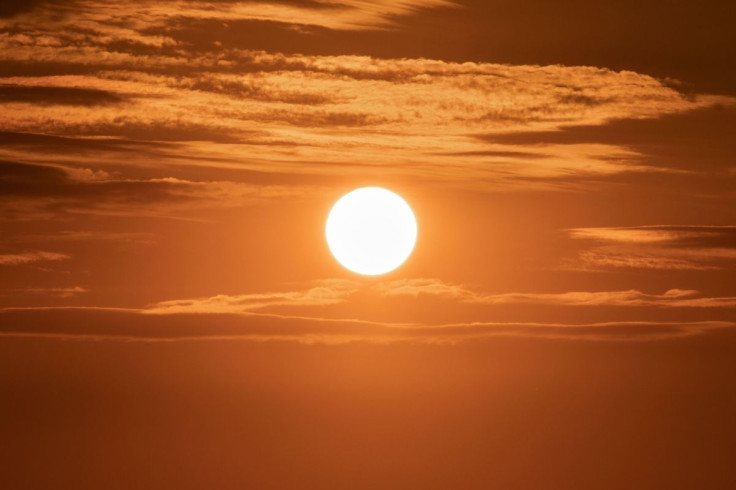
Britain is entering an era where extreme weather is becoming increasingly common, according to climate scientists, after official data confirmed that 2025 was the hottest year ever recorded in the United Kingdom.
The findings come from the latest State of the UK Climate report, published by the Met Office and climate researchers, which concluded that temperatures, heatwaves, heavy rainfall, and drought conditions are becoming more frequent and more intense across the country. Scientists warned that conditions once considered exceptional are rapidly becoming the new normal.
The report found that 2025 was the warmest year in the UK's temperature record dating back to 1884. It also highlighted a long-term warming trend that has accelerated over recent decades, with the most recent decade significantly warmer than historical averages.
Record Heat Becomes More Common
Researchers said the UK's climate is warming at roughly 0.25°C per decade, with the most noticeable changes occurring in temperature extremes.
According to the report, the last four years all rank among the five warmest ever recorded in Britain. Scientists noted that the record set in 2025 is likely to be broken again within the coming years if current trends continue.
Some of the most dramatic changes have been recorded in southeastern England. The average hottest day of the year in parts of the region is now more than 4.5°C warmer than it was between 1961 and 1990. Greater London experiences more than four times as many days above 30°C and nights above 18°C compared with previous decades.
Scientists also noted that northern parts of the UK are now experiencing temperatures that were once more typical of southern England, highlighting how climate change is affecting the entire country rather than isolated regions.
Floods, Droughts, and Wildfires
The report found that warming temperatures are contributing to a growing range of weather extremes.
While hotter air can hold more moisture and increase the risk of intense rainfall, prolonged dry periods are also becoming more common. England experienced its driest spring in a century during 2025, with many areas receiving less than half their normal rainfall.
The consequences have already been felt across the country. Recent heatwaves have contributed to increased wildfire activity, placing pressure on emergency services and damaging infrastructure. Large areas of land have burned during the summer of 2026 as exceptionally hot and dry conditions combined to create heightened fire risks.
Scientists have also linked extreme heat to rising health risks. Recent studies estimated that thousands of heat-related deaths occurred during periods of unusually high temperatures across England and Wales.
Preparing for a Different Climate
Climate experts say the findings demonstrate that Britain must adapt to a rapidly changing environment.
Mike Kendon, lead author of the climate report, said weather events once regarded as extreme are increasingly becoming part of normal life. Researchers warned that infrastructure, housing, transport networks, and public services were largely designed for a climate that no longer exists.
The report's authors stressed that future warming is expected to bring further increases in heat extremes, heavy rainfall events, and drought risks. As a result, policymakers face growing pressure to improve resilience and prepare communities for increasingly volatile weather conditions.
For Britain, the message from climate scientists is becoming harder to ignore: the country's weather is changing, and the effects are already being felt.
© Copyright IBTimes 2026. All rights reserved.