

Botox Users Urged to Watch for Botulism Symptoms After Rare Cases Linked to Cosmetic Injections
New guidance urges awareness of delayed symptoms post-Botox treatment
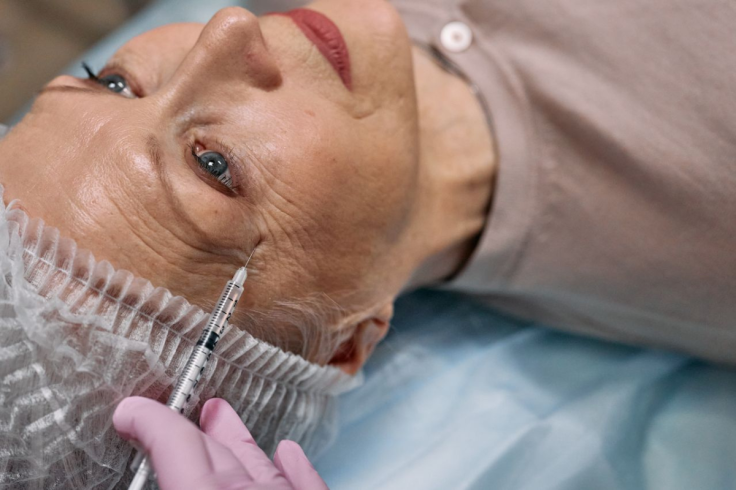
Anyone who has recently had Botox is being urged to stay alert for symptoms that could appear days—or even weeks—after treatment, after UK health officials strengthened safety warnings following rare cases of botulism linked to botulinum toxin injections.
The Medicines and Healthcare products Regulatory Agency (MHRA) has updated safety information for all botulinum toxin type A products used in the UK after receiving reports of rare cases of iatrogenic botulism, a potentially life-threatening condition that can occur when the toxin spreads beyond the intended injection site. While the regulator stressed that the condition remains uncommon, it is urging users to recognise the warning signs early and seek urgent medical attention if symptoms develop.
The updated advice applies to both cosmetic Botox procedures and medical treatments involving botulinum toxin, including those used to treat muscle spasms, excessive sweating and overactive bladder. Officials emphasised that the products remain effective and generally safe when used correctly, but awareness of rare complications is crucial.
Symptoms May Not Appear Immediately
One of the most important changes in the updated guidance is that symptoms of iatrogenic botulism may not appear straight away.
According to the MHRA, symptoms usually develop between four and eight days after treatment but, in some cases, may not become noticeable for up to four weeks. That delay means people who initially feel well after receiving Botox injections should still remain alert to any unusual symptoms in the weeks that follow.
Health officials say users should seek urgent medical attention if they develop difficulty swallowing, slurred speech, breathing problems, muscle weakness, double vision or drooping eyelids after receiving botulinum toxin treatment. These symptoms may indicate that the toxin has affected muscles beyond the injection site and require immediate assessment because severe cases can interfere with breathing and require hospital treatment.
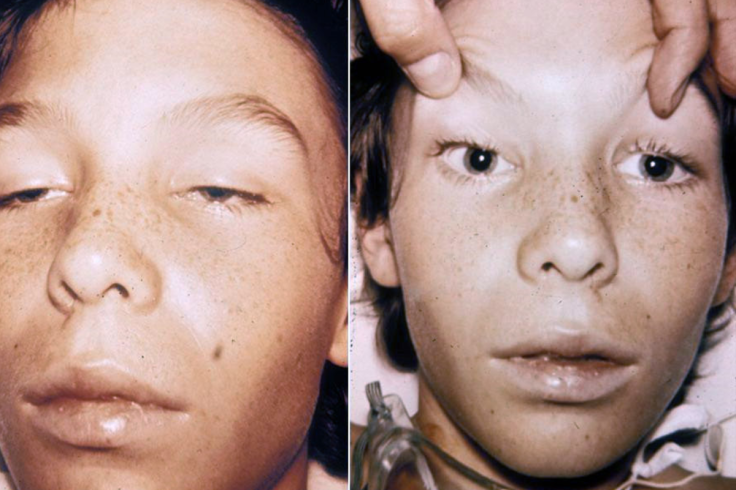
Why the UK Updated Its Botox Safety Warnings
Botulinum toxin is one of the world's most commonly used cosmetic treatments, with millions of injections performed each year to reduce facial wrinkles. It is also widely prescribed for a range of neurological and medical conditions.
The MHRA said it worked with manufacturers to strengthen product information, patient leaflets and prescribing guidance after reports of rare cases of iatrogenic botulism associated with both cosmetic and therapeutic use. The updated warnings are designed to help users recognise symptoms sooner and ensure healthcare professionals respond quickly if complications arise.
The regulator also highlighted concerns about counterfeit and unlicensed botulinum toxin products, warning that treatments obtained outside regulated supply chains may increase the risk of serious complications. Its Criminal Enforcement Unit continues to investigate cases involving unauthorised products following a rise in hospital admissions linked to illegal cosmetic injections in recent years.
Choosing a Qualified Practitioner
The MHRA is advising anyone considering Botox treatment to choose a suitably trained and qualified practitioner and to ensure only authorised products are used. Users are also encouraged to report suspected side effects through the Yellow Card reporting scheme, which helps regulators monitor the safety of medicines and medical products across the UK.
While the updated warnings may sound alarming, the MHRA stresses that cases of iatrogenic botulism remain very rare. The purpose of the new guidance is not to discourage people from receiving botulinum toxin treatments but to ensure users and healthcare professionals recognise the symptoms early, when prompt medical treatment can make a significant difference. For anyone who develops difficulty swallowing, breathing problems or other concerning symptoms after Botox treatment, health officials say immediate medical attention should not be delayed.
© Copyright IBTimes 2026. All rights reserved.