

Trump Administration Holds Back Medicaid Funds While House Backs $1.15 Trillion Israel-Tied Military Bill
Health Secretary withholds federal health payments from California and Minnesota over fraud concerns as Congress authorises massive military spending.
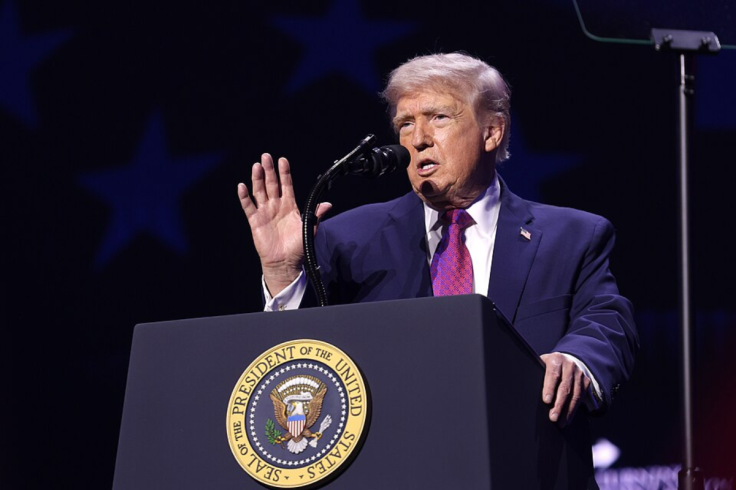
The Trump administration's Medicaid funding freeze and a landmark congressional defence vote collided this week as Washington withheld over $1 billion in federal health allocations from California and Minnesota while authorising the largest military budget in United States history.
Health Secretary Robert F. Kennedy Jr. announced on Tuesday that federal officials were freezing more than £796 million ($1.07 billion) in Medicaid payments to California and Minnesota over what he called suspected fraud and noncompliance.
Just 24 hours later, the House of Representatives approved a massive £858 billion ($1.15 trillion) defence authorisation package by a razor-thin margin of 216 votes to 212. This legislative double-feature highlights a striking contrast between domestic fiscal tightening and record-breaking national security expenditures, drawing intense debate from lawmakers and policy analysts nationwide.
A Billion Dollars Deferred From Two Democratic-Run States
The Centres for Medicare and Medicaid Services is holding back roughly £647 million ($867.5 million) from California and £148 million ($199 million) from Minnesota, according to the Health and Human Services announcement.
'Medicaid exists to serve vulnerable Americans, not to bankroll unsupported claims,' Kennedy said, adding that states must show every dollar meets federal requirements and that funds would not be released until they did.
The California figure centres on in-home support services, where CMS Administrator Mehmet Oz said spending had risen 24 percent across two fiscal quarters against a national increase of 12 percent.
Roughly £292 million ($391 million) relates to that growth, with a further £187 million ($250 million) tied to providers the agency deems high risk. The Minnesota deferral covers 14 service areas that the state's own legislative auditor had already flagged as vulnerable.
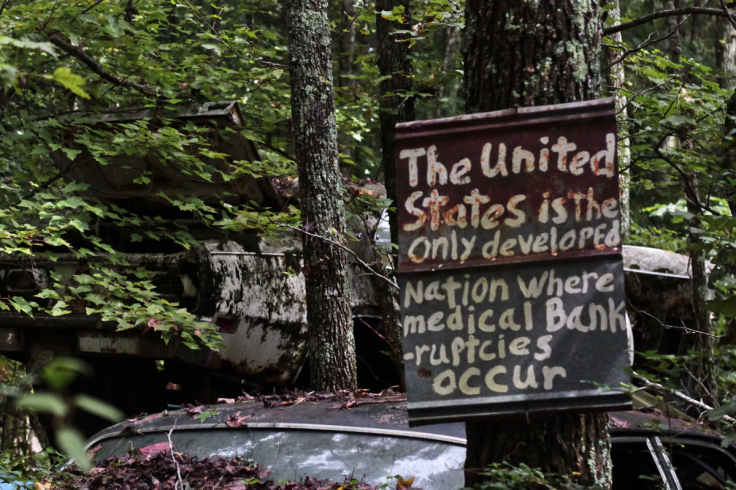
Officials were emphatic that the money is paused rather than cancelled. The deferrals do not affect benefits or eligibility, and both states can recover the funds by documenting that the claims meet federal rules; Oz said Minnesota has already submitted paperwork now under review.
'CMS is done trying to chase down stolen and misused funds after they've already left the building,' he said, describing a shift from recovering money after the fact to withholding it beforehand.
What the Fraud Label Covers
The announcement is the latest in a run of deferrals concentrated in states run by Democrats, part of a campaign the White House has called an unrelenting war on fraud and which Vice-President JD Vance has helped lead. CMS paused £970 million ($1.3 billion) to California in May, the largest such action in the agency's history, and previous sums to Minnesota.
The vocabulary matters here. A Congressional watchdog report in April put Medicaid improper payments at £28 billion ($37 billion) for the 2025 financial year, but improper payments are not the same as fraud, and the category includes claims lacking documentation rather than money stolen. CMS has not alleged that the deferred California and Minnesota claims are fraudulent, only that they require further evidence before federal matching funds are released.
Kennedy used the announcement to attack the previous administration, accusing his predecessor Xavier Becerra of dismantling programme integrity and opening 'the floodgates to theft'.
He also expanded the exclusion authority available to CMS and the department's inspector general, allowing them to remove providers from federal health programmes and in some cases bar them permanently.
Section 219 and a Defence Bill Passed by Four Votes
The following day, the House approved the 2027 National Defence Authorisation Act by 216 votes to 212. Six Democrats supported it and seven Republicans opposed it, leaving the largest military authorisation in US history to pass on the narrowest of margins.
The bill reflects President Donald Trump's demand for a vast expansion of the Pentagon budget, which stood at £672 billion ($900 billion) last year and which he has asked to raise to £1.12 trillion ($1.5 trillion) as the United States prosecutes its war on Iran. It also carries Ukraine aid and the SAVE America Act, the president's voter identification measure.
The fiercest objection concerned Section 219, which would expand military technological cooperation with Israel. Republican Representative Thomas Massie, a persistent critic of the Iran war, wrote that the legislation 'tragically merges our military technology and supply chains with Israel's', adding: 'Let's hope this version fails in the Senate because Section 219 is a betrayal of our sovereignty.' Polling has shown growing public support for ending military assistance to Israel.
The Spending Contrast Democrats Are Drawing
Nothing in the record links the health department's deferrals to the defence bill. They emerged from different branches, under different authorities, and the administration justifies each on its own terms, one as programme integrity and the other as national security.
The proximity is nevertheless the argument Democrats are making. Senate Democrats blocked debate on the authorisation last week, with minority leader Chuck Schumer describing it as a permission slip for the war on Iran, and they are expected to press the objection that the government is expanding military spending while restricting access to social programmes.
The bill now faces an uncertain path through a chamber that has already refused it once.
California and Minnesota, for their part, can end their portion of the story with paperwork, which is more than can be said for the four-vote margin now heading to the Senate.
As state agencies scramble to compile compliance paperwork and the defence bill heads toward an uncertain Senate review, the debate over federal spending priorities continues to intensify ahead of upcoming midterm elections.
© Copyright IBTimes 2026. All rights reserved.