

Trump's 'Big Beautiful Bill' Blasted for Forcing Cancer and Substance Abuse Patients to Prove They 'Deserve' Healthcare
Arizona's healthcare system struggles under Trump's new Medicaid rules, affecting cancer and substance abuse patients.
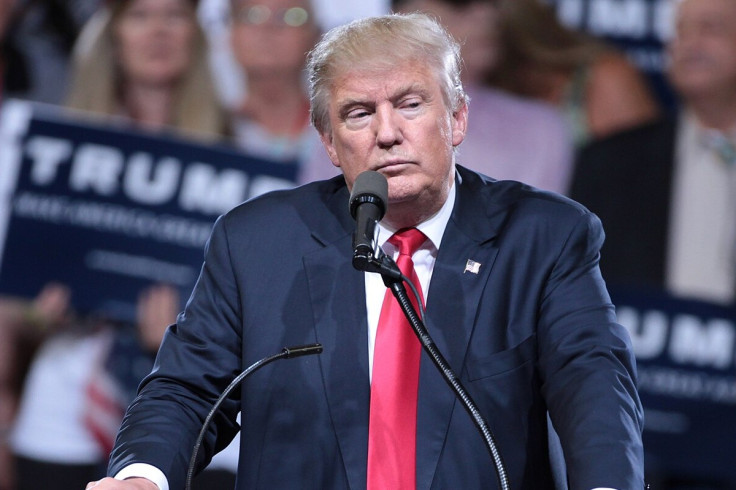
Donald Trump's 'One Big Beautiful Bill' is facing mounting criticism in Arizona, where Democrats and health advocates say new healthcare rules are forcing cancer and substance abuse patients to prove they 'deserve' coverage, even as tens of thousands lose access to insurance and food aid. The backlash, voiced by state officials and clinicians in Phoenix this week, centres on stricter Medicaid eligibility requirements introduced under Trump's sweeping tax and spending law.
The controversy follows the bill's passage last year, which cut billions from Medicaid and tightened access to public assistance programmes, including the Supplemental Nutrition Assistance Program. In Arizona alone, more than 300,000 people lost SNAP benefits within six months, according to reports, while healthcare coverage has steadily declined.
Healthcare Rules Hit Cancer and Substance Abuse Patients
At the heart of the dispute is how the law reshapes Medicaid eligibility, particularly through the Arizona Health Care Cost Containment System, which covers around 1.8 million residents. New work and income requirements, alongside expanded documentation checks, have introduced a hurdle that critics say is especially punishing for people already in fragile health.
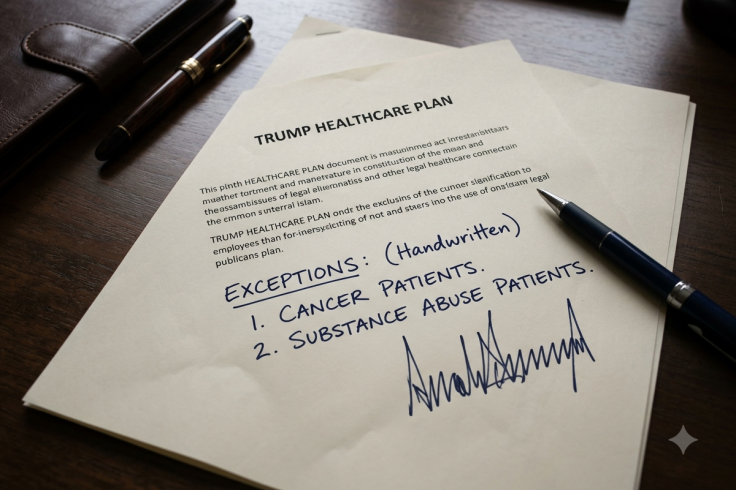
Under revised definitions, patients undergoing chemotherapy or receiving treatment for substance abuse disorders may no longer automatically qualify as medically vulnerable. Instead, they must demonstrate they are unable to work in order to retain coverage. That distinction, on paper bureaucratic, lands very differently in practice.
Mike Renaud, chief executive of community health provider Valle del Sol, described the system as burdensome and detached from reality. He said most Medicaid recipients are already working or studying, often in low-wage roles without employer-sponsored insurance.
'They're servers, they're working part-time, they're working at Home Depot, they're working 30 hours a week, just enough to get by but not enough to carry high quality insurance,' Renaud said. 'AHCCCS is their lifeline.'
He added that patients in treatment programmes are increasingly worried about impossible trade-offs. 'I've talked to hundreds of our own patients who are in treatment programmes wondering, 'Do I have to choose between working now and my health coverage and getting the treatment services I need?'
That question has become a defining critique of Trump's healthcare changes. Health advocates warn that interruptions in chemotherapy or addiction treatment can quickly escalate into life-threatening setbacks.
Coverage Drops and Political Pressure Builds
The healthcare strain is already visible in coverage data. A February analysis found 65,881 fewer Arizonans enrolled in Affordable Care Act plans compared with the same period in 2025. That figure has since climbed to more than 121,000, with rising premiums and the expiry of federal subsidies cited as key drivers.
Representative Greg Stanton, a Democrat from Phoenix, called the broader policy shift an 'ugly disaster' and linked it directly to declining enrolment and reduced access to care. 'Sixty-five thousand of our fellow Arizonans had coverage last year and don't today,' Stanton said. 'That means people are skipping basic checkups, skipping prescriptions and praying that they don't get sick.'
His criticism extends beyond Medicaid rules to Congress's failure to renew healthcare premium tax credits, which previously helped offset insurance costs. Without those subsidies, even middle-income households are being priced out, a detail often lost in the wider political argument.

Democrats in the House passed a three-year extension of those credits in January, with support from 17 Republicans, but the Senate has yet to act. Even if it does, uncertainty remains over whether Trump would sign such a measure, given earlier disputes over federal spending.
Another Arizona Democrat, Representative Yassamin Ansari, suggested electoral pressure could shift Republican positions, particularly as healthcare access becomes a sharper campaign issue. She pointed to additional state-level requirements, including increasing Medicaid eligibility checks to four times a year, as evidence of tightening policy.
'Flipping the legislature is so important,' Ansari said. 'Fighting back at every level is going to be critical.'
The politics, in other words, are inseparable from the policy. What is framed in Washington as fiscal discipline is experienced on the ground as something else entirely, lost coverage, delayed treatment, and a growing sense that the system is asking the sick to jump through hoops just to stay alive. Whether that tension forces a rethink, or simply hardens positions ahead of the next election, is still an open question.
© Copyright IBTimes 2026. All rights reserved.