

WHO Calls for End to US Oil Blockade With Cuba's Child Cancer Survival Rate Plunging From 85% to Just 65%
Tedros says children are waiting for surgery as fuel shortages cripple hospitals across the island
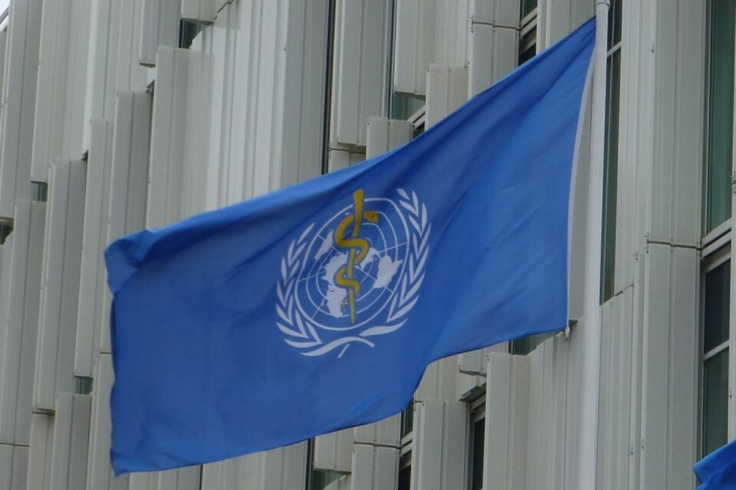
Survival rates for children with cancer in Cuba have fallen from 85% to 65%, a decline the World Health Organization says coincided with the start of US restrictions on fuel shipments to the island in January.
WHO Director-General Tedros Adhanom Ghebreyesus urged Washington to lift the blockade, warning that 'health should never be a casualty of politics'.
Surgery Backlog Hits 100,000
Tedros made his appeal at a news conference in Havana on Tuesday, at the end of a three-day official visit, Health Policy Watch reported. He met several children awaiting surgery, including a one-year-old girl waiting for open-heart surgery at the William Soler Paediatric Hospital in Havana.
Cuba has a backlog of almost 100,000 surgeries, including 12,000 for children, and about 34,000 pregnant women lack access to the care they need, according to the WHO. Tedros said doctors know what patients need but often lack medicines, supplies, spare parts and reliable electricity.
'Children waiting for heart surgery should not have to wait for electricity,' Tedros said.
Tedros said the fall in child cancer survival coincided with the start of the energy blockade in January.
Cuba's Health Indicators Worsen
Tedros also reported a sharp drop in life expectancy, from 78.8 years in 2020 to 74.4 years in 2025, which he called the first decline since records began in 1950. The 2025 figure predates the January fuel restrictions.
Infant mortality stood at 9.9 deaths per 1,000 live births in 2025, while vaccination coverage slipped from more than 98% to about 95%, UPI reported.
Tuberculosis cases have risen by 50% since 2019. The island has also faced outbreaks of Oropouche fever, dengue and chikungunya.
UPI noted that data from the Pan American Health Organization (PAHO) showed an earlier dip in life expectancy in 2021, during the Covid-19 pandemic, followed by a recovery.
Cuba's own health ministry yearbook, released in October, showed a 32.5% drop in the number of registered physicians since 2021. The figures do not show how many doctors left the country or stopped practising.
Tedros also acknowledged problems at home. 'There are problems in the health sector or in other sectors because of the sanctions,' he said. 'It is good that the government recognizes that there are internal problems, as well,' he said, according to UPI, which cited CiberCuba.
Trump's Pressure on Oil Suppliers
The shortages follow an executive order signed by President Donald Trump on 29 January, effective the following day, which threatened additional tariffs on goods from any country that 'directly or indirectly sells or otherwise provides any oil to Cuba'. The US has also prevented oil tankers from reaching the island, according to Health Policy Watch.
Tedros said the fuel and energy shortages, along with sanctions on buying medicines and equipment, have put health services under serious pressure. The January measures add to the decades-old US trade embargo.
The WHO has given £1.5 million ($2 million) through PAHO to support childhood vaccinations. It is also supplying medicines and repairing medical equipment. In total, the WHO and PAHO have mobilised more than £10.5 million ($14 million) for 14 projects, covering medicines, disease surveillance and backup power for health facilities, UPI reported.
Tedros has also pledged to help Cuban authorities repair medical equipment, and urged other partners to step up technical and financial support.
© Copyright IBTimes 2026. All rights reserved.