

Who Owns Freedom Fuel? White House Promotes Mystery Gas Chain Selling $3.47 Fuel
Despite low margins, selling gas 37 cents below the national average has raised sustainability concerns
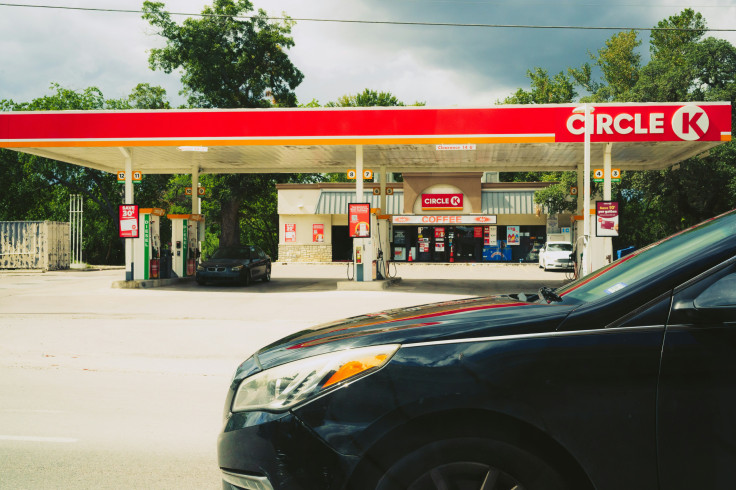
The White House began promoting a new discount gas station chain. It's called Freedom Fuel Network. Regular unleaded costs $3.47 per gallon. But who owns the chain remains a mystery.
That last detail is drawing scrutiny from fuel industry analysts and consumers alike. The Freedom Fuel Network (FFN), a privately held chain of 25 stations concentrated in the greater Philadelphia area and South Jersey, launched with prices roughly 37 cents below the national average and about 50 cents below Pennsylvania's statewide average at the time. The White House amplified the launch with a statement declaring, 'President Trump is leading the charge to lower gas prices this summer—putting more money in your pocket.' The company has not named its fuel suppliers, its investors, or the people who control it.
Who Owns Freedom Fuel Network?
Freedom Fuel Network LLC filed for a federal trademark on 1 July 2026, eight days before the White House promotion began. Since then, the company has said almost nothing about how it works inside. It has not named its fuel suppliers, has not detailed how it is financed, and has not identified any principals or executives in public communications.
The White House pushed back on questions about federal involvement, stating that the government plays no operational role and that no outside entity is subsidising the discounted prices. The stations are privately owned, and the White House said several locations were converted from existing branded stations. Who owns and converted those properties was not explained.
The industry already runs on thin per-gallon margins, usually just a few cents, and pricing 37 cents below the national average across 25 locations at once is not something normal retail economics can sustain on its own.
How Freedom Fuel's $3.47 Gas Price Compares to National Averages
Pricing is the chain's most visible feature. At $3.47 per gallon, Freedom Fuel stations were selling fuel at approximately 50 cents below Pennsylvania's statewide average and about 37 cents below the national average of $3.84 per gallon at the time of launch.
'It's nice to save a little bit of money because I'm a college student trying to get through college,' a college student was quoted as saying at the first Philadelphia-area location. For drivers filling a 15-gallon tank, the discount translates to roughly $5.50 to $7.50 in savings per fill-up compared to regional prices.
The 25 stations are spread across the Philadelphia region and South Jersey. The rollout covers a single metro corridor, which raises questions about whether expansion is planned and how it would be paid for.
White House Gas Price Strategy
President Trump has publicly accused oil companies of price gouging, framing high pump prices as corporate manipulation rather than market forces. The administration has pressed fuel retailers to cut prices and held FFN up as proof that below-market gas is possible.

If no subsidies are flowing and the government is not involved, the discount has to be absorbed somewhere, whether in the supply chain, the ownership structure, or through sourcing deals that have never been disclosed. Industry analysts noted that the sustainability of the pricing model remains an open question.
What the Trademark Filing Reveals and What It Doesn't
The 1 July trademark application is the most concrete public document the company has filed. It establishes the legal entity name, Freedom Fuel Network LLC, and a filing date that predates the White House promotion by eight days. It does not identify the people behind the LLC, the state of formation, or the registered agent. Those details would normally appear in state business registry filings, but none have surfaced in public reporting.
The stations were converted from existing branded locations, the White House said. That process, which involves rebranding pumps, signage, and point-of-sale systems, takes real capital and logistics. A newly formed LLC would not typically have all of that in place within eight days of a trademark filing. Neither the company nor the administration has explained the timeline.
The company behind the network privately owns all 25 stations, which rules out a franchise or dealer-operator model for the existing footprint. Owning 25 fuel retail locations in a single metro market is a strong capital position. The source of that money has not been disclosed.
Gas prices nationally have been climbing against a backdrop of geopolitical uncertainty, including tensions involving Iran that have affected crude oil markets. Against that backdrop, the White House's decision to highlight a below-market retail chain as a policy win carries both political and economic weight. The questions surrounding the chain's ownership and funding structure have not diminished that messaging, but they have complicated it.
© Copyright IBTimes 2026. All rights reserved.