Apple Watch 12 Release Date, Specs, Features, Design, Price and Everything We Know So Far
Apple Watch Series 12 focuses on health tracking, efficiency and software refinement, with a familiar design and potential Touch ID.
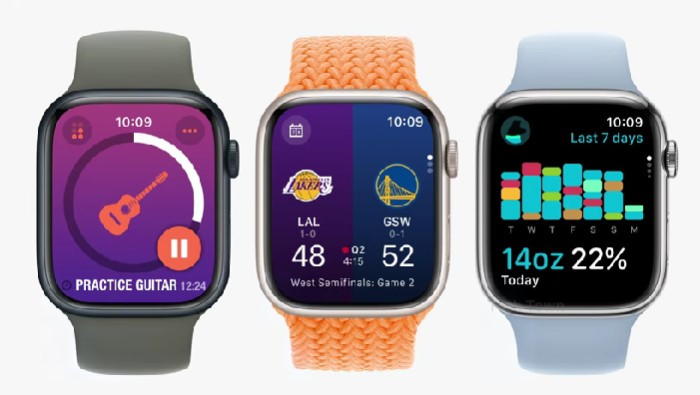
Apple Watch Series 12 is shaping up to be a quieter update than some fans may have hoped, but there is still enough rumour material to keep the next generation interesting. The current picture points to a familiar design, a new chip, possible Touch ID and a stronger focus on health tracking, battery efficiency and software refinement when the watch is expected to arrive in September 2026.
Apple also appears to be using this generation to refine the Apple Watch rather than reinvent it. That could make the Series 12 feel more like a careful upgrade than a dramatic redesign, especially after several years of relatively incremental hardware changes across the line-up.
Release Window
The Apple Watch Series 12 is widely expected to launch alongside the iPhone 18 Pro models in September 2026, with the Apple Watch Ultra 4 also likely to appear at the same event. That would keep the watch firmly tied to Apple's traditional autumn hardware cycle.
Recent reporting has also suggested Apple may again split its iPhone launches, with Pro models arriving first and standard models following later. If that happens, the Series 12 would remain positioned inside Apple's more premium autumn release line-up alongside the Ultra range.
Apple Watch Series 12 set for September 2026 release with new watch faces, S12 chip, and health features. No major redesign expected. Link: https://t.co/lIVZLoL1vW #Apple #Watch #Series12 #Wearables #Smartwatch #Tech #Technology #Gadgets #Innovation #Health #Fitness #Wellness… pic.twitter.com/4iz2M7cgrI
— The Daily Tech Feed (@dailytechonx) May 18, 2026
For Apple, the timing matters because the company is entering a period where smartwatch upgrades are becoming harder to sell on design alone. The challenge now is less about introducing a radically new look and more about convincing users that smaller refinements still justify upgrading.
Price Outlook
There are still no firm leaks around pricing for the Series 12. For now, the safest expectation is that Apple keeps the starting price close to the current $399 level used for recent base Apple Watch models.
That said, Apple is not operating in a market where component and manufacturing costs have remained stable. Prices across consumer electronics have gradually crept higher in recent years, even if Apple has tried to avoid major jumps on its mainstream devices.
Even so, there is nothing concrete yet suggesting the Series 12 will dramatically break away from Apple's established pricing strategy. Analysts covering the company largely expect Apple to preserve pricing consistency unless tariffs, supply-chain pressure or major hardware additions force a rethink.
Design Direction
A major redesign does not appear likely this year. Current reporting suggests Apple will keep the familiar square case shape and side-button layout, while reserving any more dramatic visual overhaul for a future generation.
Case sizes are still expected to remain around 42 mm and 46 mm, with aluminium and titanium finishes likely returning across the range. That means most visible changes may come through new colours, refreshed watch faces and software customisation rather than a radically different chassis.
⌚ Apple Watch Series 12: Das wissen wir bisher..
— Domenic Schaller (@SchallerDomenic) May 17, 2026
• Design bleibt größtenteils gleich wie bei der Series 11
• Neuer, deutlich schnellerer S12-Chip (3nm-Prozess erwartet)
• Touch ID wird wahrscheinlich nicht kommen (Apple hat es wegen Platz- und Akku-Problemen verworfen)
•… pic.twitter.com/D5PEa9gWH5
The biggest unresolved design question remains Touch ID. Apple has reportedly explored fingerprint authentication through the side button, with references appearing in internal development work and patents tied to biometric security.
More recent reports, however, suggest Apple is still weighing whether the additional hardware complexity is worth the trade-off. If it does arrive, Touch ID would likely be positioned as a convenience and privacy feature rather than a headline redesign element.
Health Features Upgrade
Health tracking remains central to the Apple Watch strategy, and blood pressure monitoring continues to be one of the most closely watched rumours surrounding the Series 12. If Apple introduces it successfully, it could become the watch's main headline feature.
Apple Watch Series 12 rumored features include:
— Apple Club (@ApplesClubs) May 21, 2026
• ⚡️ New S12 chip
• 🔓 Touch ID support
• 🛰️ Enhanced satellite connectivity
• 🚀 Faster performance
• 🔋 Better power efficiency
• 📶 GPS & Cellular models
• ❤️ Improved health tracking features
• 📏 Same display sizes
•… pic.twitter.com/993kflX58q
At the same time, non-invasive glucose monitoring still appears highly unlikely for this generation. Industry reporting continues to suggest that Apple's longer-term glucose ambitions remain technically difficult and are probably still years away from consumer readiness.
That means the Series 12 is more likely to improve existing health tools than introduce a dramatic new medical breakthrough. Apple increasingly appears focused on making current systems more accurate, more power efficient and more deeply integrated into daily use.
Display and Hardware
The display is expected to remain broadly familiar, although Apple could still improve brightness, viewing angles and overall power efficiency. If the company keeps similar screen dimensions, the Series 12 may look very close to the current generation at first glance.
Under the surface, though, a new S12 chip could make a more meaningful difference. A more efficient processor would help performance, background health monitoring and battery life, which are now arguably more important to users than dramatic cosmetic changes.
watchOS 27 is also expected to play a major role in the overall experience. New watch faces, AI-assisted features and software refinements may end up giving the Series 12 much of its appeal, especially if the hardware changes remain relatively modest.
A Turning Point
The Series 12 increasingly looks like a bridge year for Apple Watch rather than the major leap some buyers may have expected. Apple appears to be prioritising refinement, efficiency and ecosystem stability over flashy hardware experimentation.
That approach says quite a lot about where the smartwatch market is heading. Instead of chasing dramatic redesigns every year, Apple seems more focused on improving battery life, health tracking, privacy and long-term usability.
The bigger question is whether that strategy will still feel exciting enough for consumers. Apple is no longer simply trying to prove the Apple Watch works. It is now trying to convince users that gradual refinement is still worth paying for in a category that may be approaching maturity.
© Copyright IBTimes 2026. All rights reserved.
- Recommended For You