

Australia Apologises to LGBTQ Veterans Over 'Witch Hunts' That Forced Choosing Between Mates and Careers
Australia apologises for military persecution as LGBTQ veterans and their families can seek record corrections
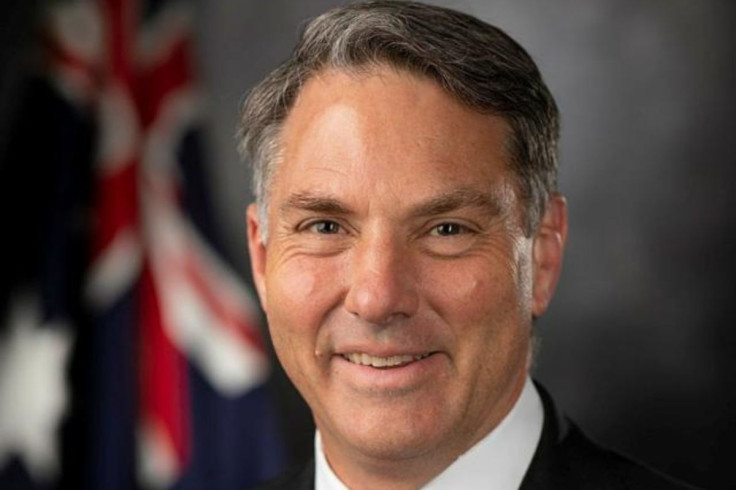
Australian Defence Minister Richard Marles issued a formal apology to LGBTQ veterans and serving personnel in federal parliament on Wednesday 25 November 2026, acknowledging decades of military 'witch hunts' in which personnel were pressured to identify fellow gay service members or risk losing their careers.
The apology came 34 years after Australia lifted its ban on lesbian, gay and bisexual people serving in the Australian Defence Force (ADF). Consensual homosexual activity could previously be prosecuted under military law, while restrictions effectively barring transgender Australians from service remained in place until 2010.
'We asked these Australians to defend a fair go. Then we refused them one,' Marles told parliament. 'None of this made our nation safer.'
LGBTQ Veterans Faced a Choice Between Mates and Careers
Marles outlined how military authorities monitored personnel suspected of being gay, scrutinised friendships and searched barracks. Investigators pressured them to confess or identify others, practices veterans described as 'the witch hunts'.
A 1986 defence instruction explicitly stated that homosexual behaviour was neither accepted nor condoned within the military. Personnel found to have engaged in such conduct faced termination of their service.
Some personnel were forced to resign or were discharged in dishonourable circumstances. Marles said some veterans concealed the reasons for their early departure from their families, while others had never participated in Anzac Day marches.
Shadow defence personnel minister Phillip Thompson, an Afghanistan veteran, joined the government in apologising. He described how personnel had been stripped of security clearances, subjected to invasive investigations and marched out of military bases.
'Careers were destroyed or cut short, and lives were shattered,' Thompson stated. 'Let us call this out for exactly what it was. It was wrong. Plain and simple. It was wrong.'
How a 1992 Legal Challenge Ended Australia's Military Ban on Gay Personnel
Among those watching the apology from parliament's public gallery was Chief Petty Officer Anita van Der Meer, who challenged the prospect of dismissal over an alleged same-sex relationship in 1992.
Her case before the Human Rights and Equal Opportunity Commission brought the military ban before Paul Keating's government. His cabinet was divided, but attorney-general Michael Duffy argued that the policy undermined Australia's professed commitment to human rights.
Keating's cabinet resolved to overturn the ban 34 years to the week before Wednesday's apology. Marles acknowledged that changing the rules had not immediately altered attitudes within the armed forces.
Australia Opens Door to Correcting Discriminatory Military Service Records
The apology followed recommendations from a Senate inquiry into military justice reforms after the Royal Commission into Defence and Veteran Suicide.
Legislation passed in September allows current and former service members to have eligible historical convictions relating to consensual homosexual activity extinguished. Families can apply on behalf of deceased veterans, while those administratively discharged can seek reviews and corrections to their service records.
Fewer than 30 MPs were in the chamber for the apology, which coincided with a press conference held by Prime Minister Anthony Albanese and Solomon Islands Prime Minister Matthew Wale.
Independent MP and former army officer Andrew Wilkie wrote to Albanese on Tuesday, urging him to deliver the apology personally and give it equal weight to national apologies to the Stolen Generations and victims of forced adoption.
© Copyright IBTimes 2026. All rights reserved.