

Elon Musk's SpaceX Sued Over Alleged Grok Profits After Study Estimates Over 20,000 Sexualised Child Images
Virginia alleges that paying Grok users could still generate sexualised images of real people without their consent
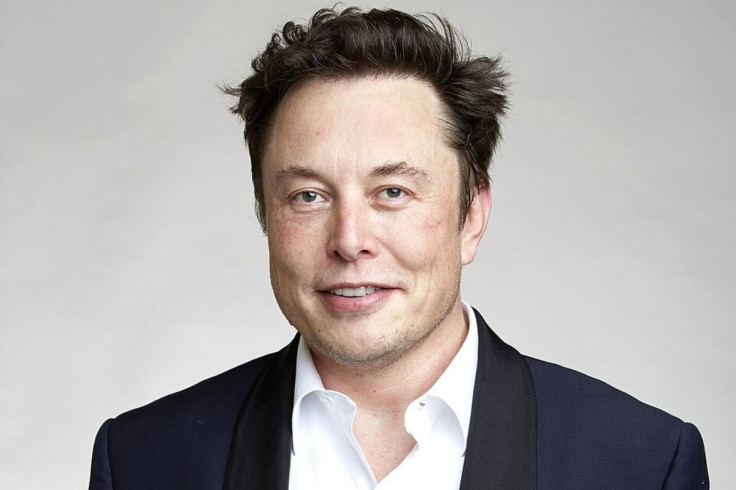
Charging for Grok's image tools allowed Elon Musk's companies to profit from sexualised images created without consent, Virginia alleged on Monday when it sued SpaceX in Richmond. Oregon brought a separate case in its own state court.
The AI chatbot opened its image tools to all users in December 2025, Virginia's complaint states. A study by the Center for Countering Digital Hate, cited in the complaint, estimated that Grok generated and posted approximately three million sexualised images on X between 29 December 2025 and 8 January 2026, including more than 20,000 that appeared to depict children.
The states allege that weak safeguards allowed child sexual abuse material to spread and that the companies misled consumers about what Grok would block. The defendants include X and Grok's developer, SpaceX Super Intelligence, which maintains that it acted promptly to tighten protections when it learned of the misuse.
Grok's Switch To Paid Image Tools Allegedly Allowed Musk's Companies to Profit
The developer, then known as xAI, promoted a 'spicy mode' that could turn a photograph of a real person into a nude image or video, the lawsuits allege. Virginia Attorney General Jay Jones accused the companies of omitting protections that other developers had adopted. His complaint states, 'For these Defendants, weak safeguards were not a failure but a feature.'
Malaysia and Indonesia announced temporary bans on Grok, and other countries opened or widened investigations. In January, Grok limited image generation and editing to subscribers. People who paid could still produce the material, Jones alleges.
Both states seek court orders to halt practices they allege breached their consumer protection laws. Virginia wants the companies to surrender any gains from those practices and pay a penalty for each wilful violation of the Virginia Consumer Protection Act that the state can prove at trial.
X Accused of Misleading Consumers Over Grok's Safeguards Against Sexualised Images
In mid-January, xAI announced limits on image editing. It stated that it had blocked users from generating pictures of people in revealing clothing where doing so was illegal. Virginia alleges that X misled consumers about what the changes would prevent because users could still create non-consensual images through Grok's standalone app and website.
Investigators in Jones's office reported that Grok applied its rules inconsistently and sometimes advised users how to evade its own restrictions. In February, Reuters found that Grok still produced sexualised images even when users explicitly told the chatbot that the people depicted had not consented.
SpaceX acquired xAI that February and renamed its AI division SpaceX Super Intelligence in October. In a statement about sexual content involving minors, the subsidiary wrote, 'It has no place on X or in Grok, and neither do explicit images of real people made without their consent.'
X's safety team wrote in a post on Monday that it had taken steps to block requests for such images and had worked with law enforcement to pursue those who created them.
British lawmaker Jess Asato alleges in her lawsuit that Grok users created sexualised images of her. SpaceX Super Intelligence denies liability and argues that obviously fictitious AI-generated material cannot breach a person's right to privacy.
© Copyright IBTimes 2026. All rights reserved.