

Huawei Supplied Cameras That Helped Iran Monitor Protests and Helped Its Intelligence Apparatus Censor the Web
US prosecutors detailed how Huawei denied assisting Iranian intelligence and called its subsidiary Skycom a partner
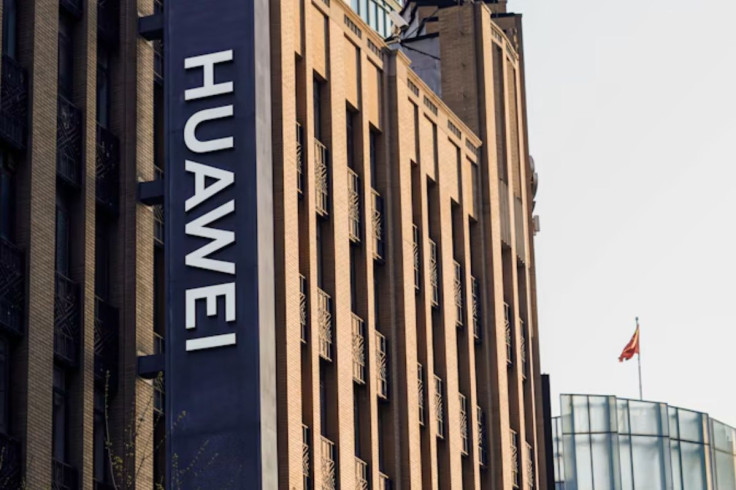
Huawei supplied cameras that enabled Iran to monitor protests, the US Justice Department stated after a federal jury in Brooklyn convicted the company of bank fraud on Tuesday 24 November 2026. The department also linked Huawei to Iranian intelligence efforts to censor internet access.
US prosecutors first brought charges in 2018, accusing the Chinese telecoms group of misleading HSBC, Standard Chartered and BNP Paribas about its dealings in Iran. In 2020, they added a charge of conspiring to steal US companies' trade secrets.
Jurors convicted Huawei on 10 of 12 counts, including bank fraud, wire fraud and sanctions violations. They acquitted the company of conspiring to obstruct justice and of racketeering conspiracy, the charge that it had operated as a criminal enterprise.
Huawei's Role in Iran's Internet Controls
Huawei and its subsidiaries supplied services for Iran's core internet infrastructure and supported wider access to mobile networks, the Justice Department stated. It identified Zaeim as part of Iran's intelligence apparatus. Huawei assisted both Zaeim and the government in monitoring and censoring what users could access online.
On the cameras, the department wrote, 'Testimony further established that Huawei provided surveillance cameras that enabled the Iranian regime to monitor protest activity.'
Huawei had told banks, journalists and the US government that it did not assist Iran's government, military or intelligence services. Prosecutors described that assurance as false, along with Huawei's claims that it had begun restricting its Iranian business in 2011 and had complied with sanctions.
What Huawei Told Banks About Skycom
Huawei conducted its Iranian business under the name Skycom. The company told banks that Skycom was a partner, although Huawei owned it outright. The Justice Department stated that by misrepresenting its Iranian operations, Huawei secured access to the banking services it needed to settle payments in US dollars.
Reuters' 2012 and 2013 investigations featured at trial. Prosecutor Meredith Arfa said media scrutiny prompted banks to question Huawei's Iranian operations, while the defence argued the banks already knew and competed for Huawei's business.
An HSBC banker who met Meng Wanzhou in 2013 testified in Brooklyn. Meng, Huawei's chief financial officer and the founder's daughter, did not take the stand.
After fighting extradition from Canada for nearly three years, Meng reached a deferred prosecution agreement over US charges that she had misled an HSBC banker. The US later dropped the charges. Prosecutors presented jurors with a statement attached to her agreement in which she acknowledged that the company had conducted business illegally in Iran.
Huawei Expects to Appeal
The jury also convicted Huawei and three subsidiaries of conspiring to steal trade secrets. Jurors watched a video that, in the prosecution's account, captured a Huawei employee slipping part of a T-Mobile robot into his backpack. The robot, Tappy, mimicked human touch to test screens.
Defence lawyer Brian Heberlig argued that prosecutors had 'cherry-picked' incidents to build their case for a two-decade conspiracy. 'We fully expect to appeal,' he told reporters after the verdict.
Heberlig declined to estimate the penalty, though he suggested the racketeering acquittal could affect the amount. Huawei faces possible fines, forfeiture and restitution. US District Judge Ann Donnelly is due to sentence the company on 14 September 2027.
© Copyright IBTimes 2026. All rights reserved.