Indiana Grandfather Nearly Lost His Disney Trip With Grandkids To A Flight Scam — One Detail Exposed It
US consumer agencies report thousands of travel-related fraud complaints as summer holiday bookings rise


For Roland Jones, a summer trip to Disney World was meant to be a chance to create happy memories with his grandchildren. Instead, it began with a stressful battle to recover money from what he believes was a fraudulent flight booking website. The resident of Goshen, Indiana, is now enjoying his holiday in Orlando, but only after disputing charges linked to a travel booking that raised immediate concerns.
His experience comes as US authorities warn travellers to remain vigilant during one of the busiest holiday booking periods of the year. According to the Federal Trade Commission (FTC), consumers filed more than 64,000 reports of fraud linked to travel, holidays, and timeshares in 2025. Consumer protection agencies expect travel-related scams to remain a significant threat this summer as fraudsters increasingly use artificial intelligence to create convincing fake websites and advertisements.
A Deal That Appeared Genuine
Jones said he was searching online for flights to Orlando when he found a website advertising special offers on airfare. After completing the booking process, he received an unexpected text message later that day.
'I booked it, and that same night I got a text message that said my flight was pending, and I needed to pay $400 to secure the flight,' Jones said. Concerned by the request, he contacted the company.
'I tried to call them. When they answered the phone, they told me that my flight was pending. I had to pay an extra $400 to get it. I said that didn't sound right,' he explained.
Jones requested to speak to a supervisor and was told someone would call him back. According to Jones, no one ever returned the call.
Suspecting he had been targeted by fraudsters, he disputed the charge through his credit card provider and filed a complaint with the Better Business Bureau.
'I think the website itself is a scam,' he said. 'You think you got a flight, but you don't actually have a flight.'
AI Making Scams Harder to Spot
Dr Chris Simpson, director of National University's Center for Cybersecurity, said travel scams often follow seasonal patterns, with criminals taking advantage of increased demand during holiday periods.
'Scams seem kind of seasonal, right?' Simpson said. 'A lot of it is typically related to airline travel, but recently there's been an uptick in hotel and booking types of scams, where people will do some type of fake booking, fake hotel site, and try to scam people that way.'
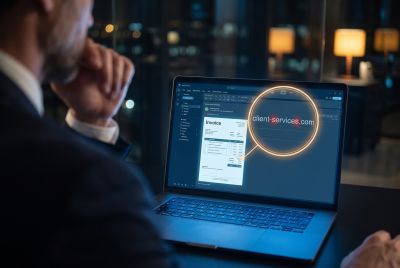
Simpson warned that artificial intelligence is making many scams appear more authentic than ever before. 'With AI, it's really easy to copy a website,' he said. 'You take a popular hotel brand and just change one letter.'
The result can be websites that closely resemble legitimate travel companies, making it difficult for consumers to identify fraud before entering personal or financial information.
Holiday Rental Fraud Also Rising
The FTC has also warned travellers about fraudulent holiday rental listings. According to the agency, scammers sometimes copy genuine property listings and advertise them as their own. Travellers may arrive at their destination only to discover that multiple people have booked the same property or that no legitimate reservation exists.
Fraudsters frequently use unusually low prices to attract attention. They may also pressure customers to act quickly by claiming there is high demand for the property. Consumer advocates warn that urgency is one of the most common tactics used by scammers to stop potential victims from carrying out proper checks.
How Travellers Can Stay Safe
The AARP Fraud Watch Network advises travellers to verify websites before making reservations. Consumers can research website ownership, check company reviews, and search for complaints filed with consumer protection organisations. Travellers are also encouraged to be sceptical of offers that appear significantly cheaper than competing deals.
The payment method matters as well. The FTC advises consumers never to pay for travel bookings using gift cards, wire transfers or cryptocurrency. These methods often provide little or no protection if fraud occurs.
Using a credit card can offer stronger safeguards and may allow customers to dispute unauthorised or fraudulent charges. Security experts also recommend avoiding public Wi-Fi networks when making travel bookings and confirming the legitimacy of travel companies before sharing personal information.
A Warning for Fellow Travellers
Jones eventually recovered his money through his credit card dispute and successfully booked his flights through a trusted travel planner. Despite the positive outcome, he hopes others can avoid going through the same experience.
As millions of families prepare for summer holidays, Jones' experience serves as a reminder that even routine travel bookings can carry risks. A few extra minutes spent checking a website's legitimacy may help travellers avoid turning a dream holiday into an expensive ordeal.
© Copyright IBTimes 2026. All rights reserved.
- Recommended For You