US Birthright Citizenship Rules Explained: How Donald Trump's New Executive Orders Change the Law
Exploring the legal and constitutional implications of trump's birthright citizenship orders
President Donald Trump has launched a fresh attempt to restrict birthright citizenship in the United States, signing a series of executive orders that target specific categories of future births rather than attempting to end the constitutional right outright.
The measures mark the administration's latest effort to narrow the scope of the Fourteenth Amendment after the US Supreme Court blocked Trump's broader birthright citizenship policy earlier this year. While the new orders are significantly more limited, they are expected to trigger another round of constitutional challenges over who qualifies for automatic US citizenship.
President Trump signed executive orders limiting birthright citizenship, including restrictions on ‘birth tourism,’ bypassing a Supreme Court ruling that struck down earlier restrictions as unconstitutional https://t.co/6vPjeyvFmr pic.twitter.com/DpyMkRrAOX
— Reuters (@Reuters) August 7, 2026
For now, the practical impact is narrower than many headlines suggest. The executive orders do not revoke citizenship from anyone already born in the United States, nor do they abolish birthright citizenship generally. Instead, they seek to redefine how the government interprets a handful of specific circumstances involving future births.
Who Could Be Affected?
According to Axios, the administration's latest proposals focus on four categories that it believes may fall outside the constitutional guarantee of citizenship. The orders address:
- Certain children born to foreign government employees with diplomatic immunity.
- Individuals classified as foreign enemies under existing law.
- Births in certain US territories if Congress changes current legislation.
- Cases involving so-called 'birth tourism.'
Birth tourism refers to foreign nationals travelling to the United States primarily to give birth so their child acquires US citizenship. The White House defines the practice as entering the country on a temporary visa for the principal purpose of giving birth, or assisting another person in doing so.
The administration argues that such cases fall outside the original intent of the Fourteenth Amendment's requirement that those born in the United States be 'subject to the jurisdiction thereof.' However, constitutional scholars have long debated how broadly that phrase should be interpreted.
Birth Tourism Takes Centre Stage
Much of the administration's latest strategy focuses on visa policy rather than citizenship itself. Under the executive order, US consular officials would be directed to more closely scrutinise visa applications where they believe an individual intends to travel to America primarily to give birth. That approach raises practical questions about enforcement.
Officials would need to distinguish alleged birth tourism from legitimate reasons for travelling, including medical treatment, visiting family members or temporary work assignments. Immigration lawyers have also noted that international surrogacy arrangements could present particularly complex cases.
The administration has not yet detailed exactly what evidence officials would use when determining an applicant's intentions.
A Different Strategy After Supreme Court Setback
The latest executive orders follow a significant legal defeat for the White House. In January 2025, Trump signed a sweeping order seeking to deny automatic citizenship to certain children born to parents who were either in the United States unlawfully or present on temporary visas.
That policy was challenged almost immediately. In June 2026, the US Supreme Court rejected the administration's broader attempt, leaving the long-standing constitutional interpretation of birthright citizenship largely intact.
Rather than pursuing another blanket restriction, the White House is now attempting a narrower legal strategy by arguing that specific categories of births fall outside constitutional protections. Whether courts ultimately agree remains uncertain.
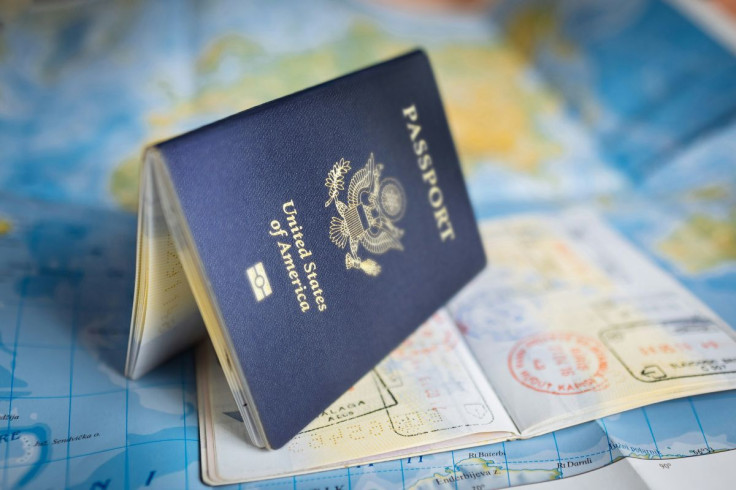
One point remains unchanged despite the latest announcements. The executive orders apply only to future births and do not attempt to revoke citizenship from people already born in the United States. Existing birth certificates, passports and other citizenship documents therefore remain valid.
According to USA.gov, individuals born in the United States generally establish citizenship through their birth certificate. Certificates of Citizenship and Certificates of Naturalisation are typically used only in other circumstances, such as citizenship acquired through parents or later immigration proceedings.
Civil Rights Groups Prepare Fresh Legal Challenges
Immigrant rights organisations have already criticised the administration's latest approach. The American Civil Liberties Union argues that the Constitution, not executive orders, defines who receives birthright citizenship.
'The Supreme Court already decided this issue. Birthright citizenship is guaranteed by the Constitution,' ACLU attorney Cody Wofsy said. 'No additional executive order can change the meaning of the Constitution.'
Legal experts expect multiple lawsuits to be filed in the coming weeks, potentially sending the issue back through the federal courts and, ultimately, to the Supreme Court once again.
For now, Trump's latest executive orders represent another attempt to narrow the interpretation of birthright citizenship rather than abolish it altogether. Whether the administration's more targeted approach survives judicial scrutiny will likely determine how far presidential authority can extend in reshaping one of the Constitution's longest-established guarantees.
© Copyright IBTimes 2026. All rights reserved.
- Recommended For You